
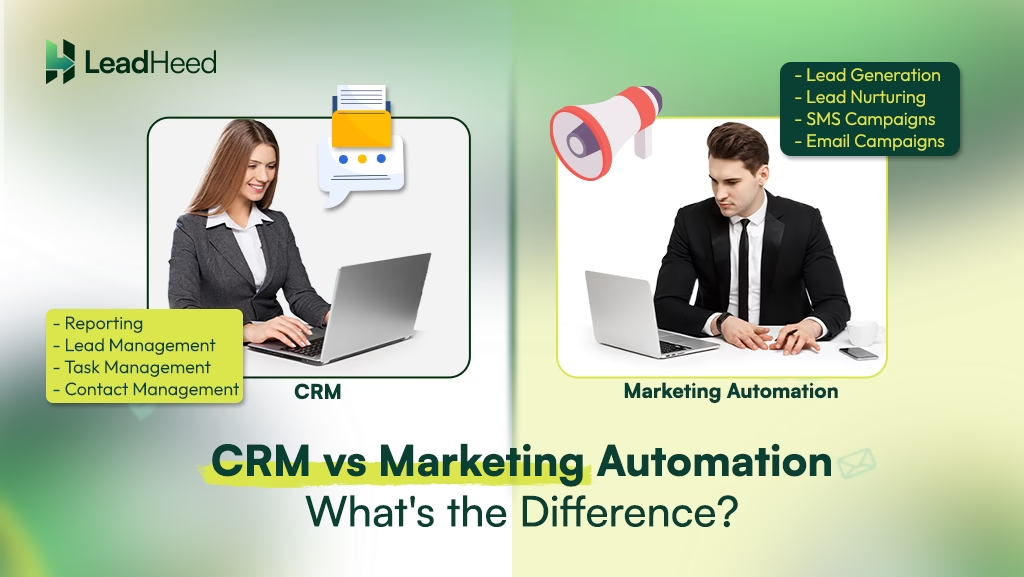
CRM and marketing automation solve different problems. A CRM helps your team manage contacts, track deals, and control follow-ups so sales stay organized. Marketing automation helps you attract leads and nurture them with targeted campaigns to close deals.
The difference matters because many teams use the wrong tool for the job. When you rely only on a CRM, you often miss lead nurturing and lose interest before a rep calls. When you rely only on marketing automation, you often lose deal visibility and follow-up control once leads reach sales.
What is a CRM?
A CRM is a software that helps you manage customer and lead relationships in one place. It stores contact details, records conversations, and tracks every deal from first contact to closed sale. You can create a clear pipeline to track and manage your lead stages and follow up on time.
- Store and manage leads, contacts, and companies.
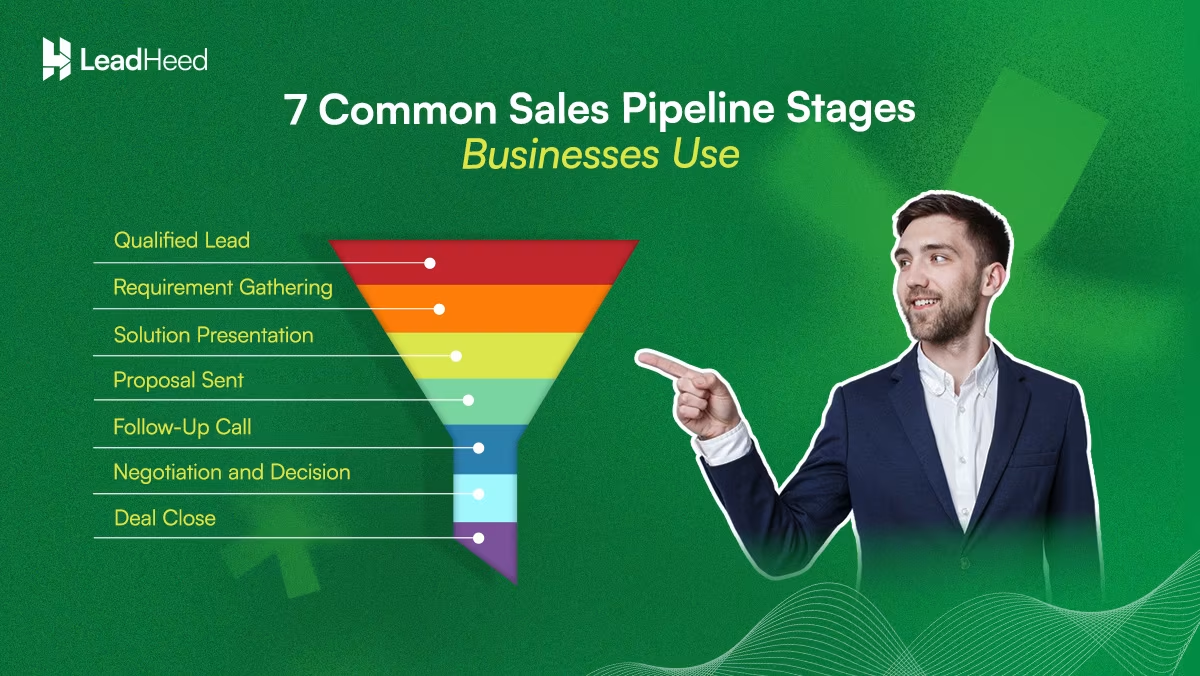
- Create a pipeline with clear stages (new lead → qualified → proposal → closed).
- Track deal progress and ownership across the team.
- Log emails, calls, meetings, and notes.
- Assign tasks and reminders to avoid missed follow-ups
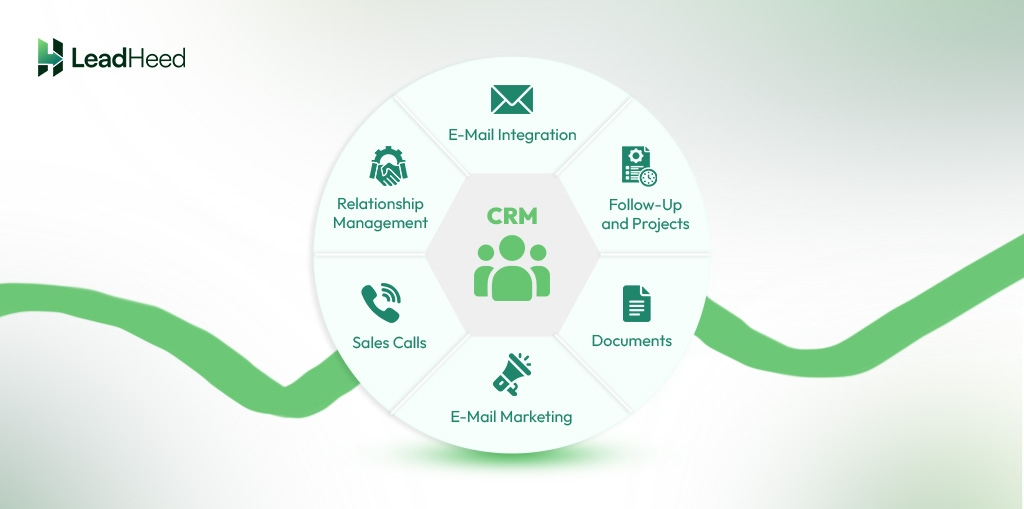
A CRM works best when sales teams handle many leads and deals and need a clear process to follow up on time and close revenue.
What is Marketing Automation?
A marketing automation platform helps you run marketing tasks automatically, based on customer behavior and rules you set. It helps you turn visitors into leads, keep leads engaged, and move them closer to a sales-ready stage without manual work.
- Capture leads from forms, websites, calls, and social channels.
- Send automated email sequences (welcome series, nurture, follow-ups).
- Segment contacts by interest, source, activity, or lifecycle stage.
- Score leads based on engagement (opens, clicks, page visits, replies).
- Trigger campaigns based on actions (downloaded a guide, requested a demo, visited pricing).
- Re-engage cold leads with timed reminders and targeted messages.
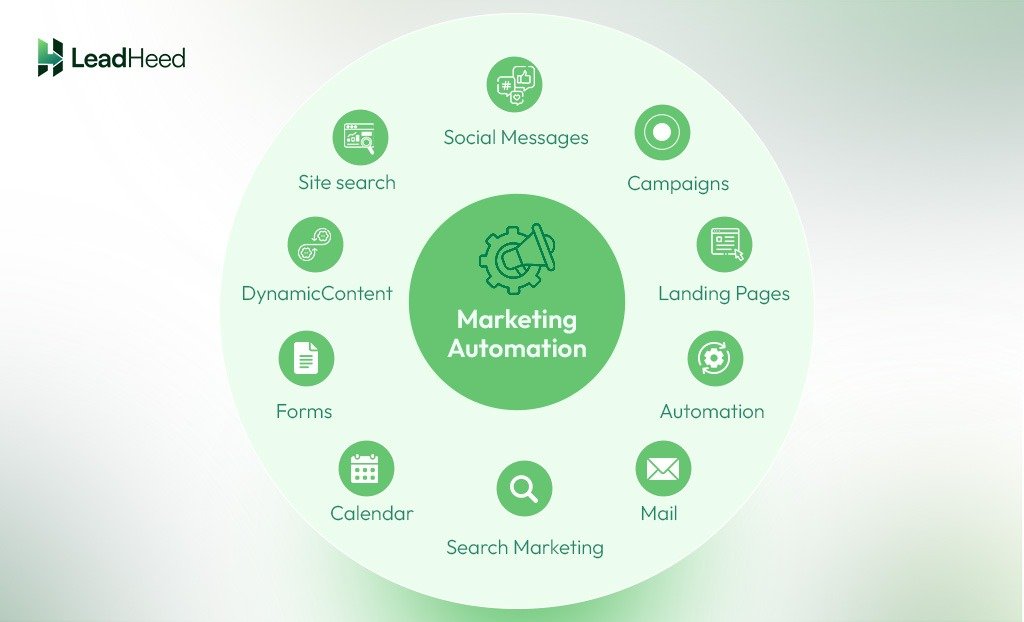
Marketing automation works best when you generate leads at scale and need a system to nurture them until they show clear buying intent.
What Are the Differences Between CRM and Marketing Automation?
A CRM helps sales teams manage relationships and close deals, while marketing automation helps marketing teams nurture leads and drive conversions at scale. Both CRM and marketing automation tools support growth, but they solve different parts of the customer journey.
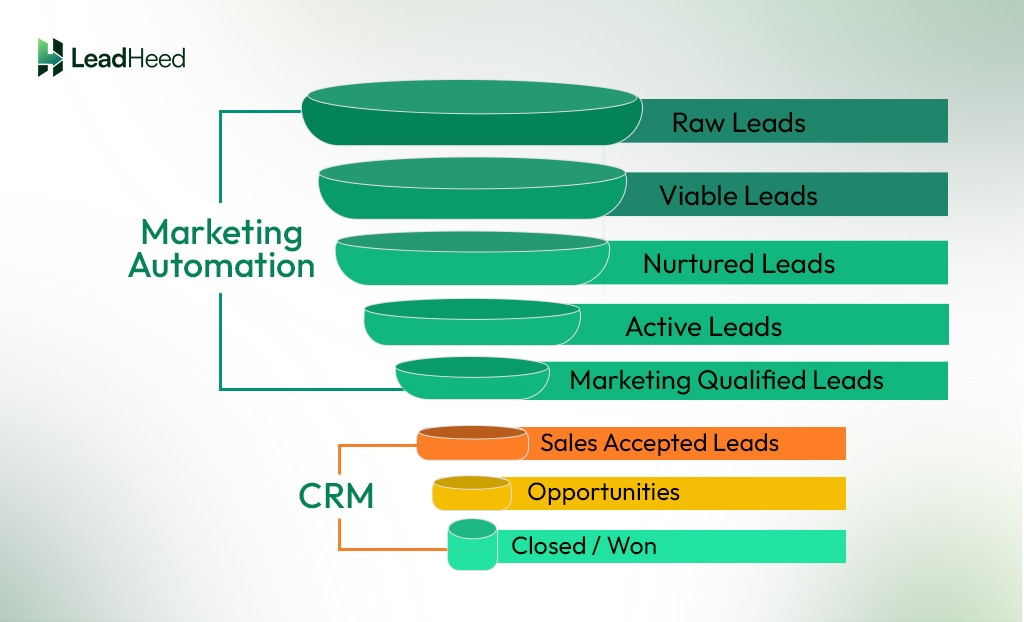
Marketing automation fits in the early and middle part of the customer journey, where most leads still need time and information before they speak to sales. It helps you capture interest, build trust, and guide leads toward a clear action like booking a demo or requesting pricing.
A CRM fits in the part of the journey where sales need control and clarity. Once a lead shows interest, sales teams need a system to capture details, qualify the lead, and move the opportunity through a pipeline until they close the deal.
A CRM also helps after the sale. Teams use it to manage renewals, upsells, and long-term relationships because it keeps customer history and activity in one place.
| Category | CRM | Marketing Automation |
|---|---|---|
| Primary goal | Manage relationships and deals, and help sales close revenue. | Nurture leads at scale and move them toward sales-ready actions. |
| Main users | Sales teams, account managers, support teams. | Marketing teams, growth teams, SDR teams. |
| Core features | Contacts, companies, deals, pipelines, tasks, notes, activity tracking, reporting. | Email campaigns, sequences, segmentation, lead scoring, triggers, journeys, analytics. |
| Best for | Managing follow-ups, tracking deal stages, forecasting revenue, team accountability. | Lead nurturing, warming cold leads, qualifying leads, running campaigns at scale. |
| Typical metrics | Win rate, pipeline value, conversion rate, sales cycle length, deal velocity. | Lead volume, open/click rate, MQLs, CPL, nurture-to-demo rate. |
| Example workflows | Assign lead → qualify → create deal → schedule demo → send proposal → close deal. | Capture lead → send welcome series → segment by interest → score engagement → handoff to sales. |
| Where it sits in the funnel | Mid to bottom of funnel (qualification, negotiation, close, retention). | Top to mid funnel (capture, nurture, qualification). |
Marketing automation builds interest and demand, while a CRM manages the sales process and helps your team close deals with a clear pipeline.
Get a CRM with Marketing Automation Tools
Marketing automation builds interest and demand, while a CRM manages the sales process and helps your team close deals with a clear pipeline.
A CRM with marketing automation combines two systems in one place. It helps you manage contacts and deals, while also running marketing tasks like email sequences.
If you want a simple crm with marketing automation tools, LeadHeed is a good option. It lets you set clear automation rules based on deal stages and time delays.
The automations in LeadHeed CRM include:
- sending an email when a deal changes stage.
- sending a follow-up email when a deal stays stuck.
- assigning a task when a deal reaches a stage.
Sign up for LeadHeed for free!
FAQs
What is the difference between CRM and marketing automation?
A CRM helps sales teams manage contacts, track deals, and control follow-ups until they close revenue. Marketing automation helps marketing teams capture leads, nurture them with campaigns, and qualify them before handing them to sales.
Can a CRM replace marketing automation?
A CRM can handle basic email follow-ups and task reminders, but it usually cannot run advanced nurture journeys, segmentation, and scoring at scale. If you generate leads regularly and rely on campaigns, marketing automation adds clear value.
Can marketing automation replace a CRM?
No. Marketing automation does not manage sales pipelines, deal stages, forecasting, and sales ownership in the same way a CRM does. Sales teams need a CRM for pipeline control and consistent follow-up.
What is a CRM with marketing automation?
A crm with marketing automation combines sales pipeline features with marketing tools like email sequences, segmentation, and lead scoring. It helps teams manage leads from first touch to deal closure in one workflow.
What is an example of CRM marketing automation?
A common example of CRM marketing automation: a lead fills out a form → the CRM creates the lead record → the system sends a welcome email → the lead receives a short nurture sequence → when the lead clicks pricing or requests a demo, the CRM creates a task for sales and moves the sales pipeline.