

Generating Insurance leads feels difficult because people do not buy insurance out of excitement. THEY BUY IT ON TRUST. Most leads compare multiple agents, delay decisions, or stop replying after the first message. If you rely only on random referrals or occasional ads, your pipeline stays unstable, and you waste time chasing low-quality insurance leads.
You have to stay visible where people search, offer clear help, and follow up consistently to get insurance leads. Strong insurance lead generation comes from local search, referrals, partnerships, and social proof, supported by a fast response system.
When you capture lead details properly, qualify the need (life, health, or business cover), and nurture each inquiry with timely follow-ups, you generate more leads for insurance agents and convert them into long-term clients.
What Are Insurance Leads?
Insurance leads are people or businesses that show interest in getting coverage and share a way to contact them (phone, email, form submission, call, or message). Some leads are ready to buy now, while others only want information and need follow-ups before they decide. When you understand what type of lead you have, you can choose the right pitch, the right questions, and the right follow-up plan.
Cold vs Warm vs Referral Leads
Cold leads do not know you yet. They come from ads, lists, portals, or outreach, so they need trust-building first.
Warm leads are those who have already engaged with you, whether from your website, content, past inquiries, or social messages. They respond faster when you follow up well.
Referral leads come through people they trust (clients, friends, partners), so they usually convert best and require less convincing.
Life vs health vs general insurance leads
Life insurance leads usually need trust and clarity because the decision feels long-term. You must focus on dependents, financial goals, and coverage amount, and explain the plan in simple terms.
Health insurance leads are more comparison-driven and often urgent. People want quick answers on coverage, network hospitals, waiting periods, and claim support.
General insurance leads (motor, home, travel) are the fastest to close. Buyers want a quick quote, clear benefits, and a smooth purchase process.
Create Your Insurance Lead Funnel
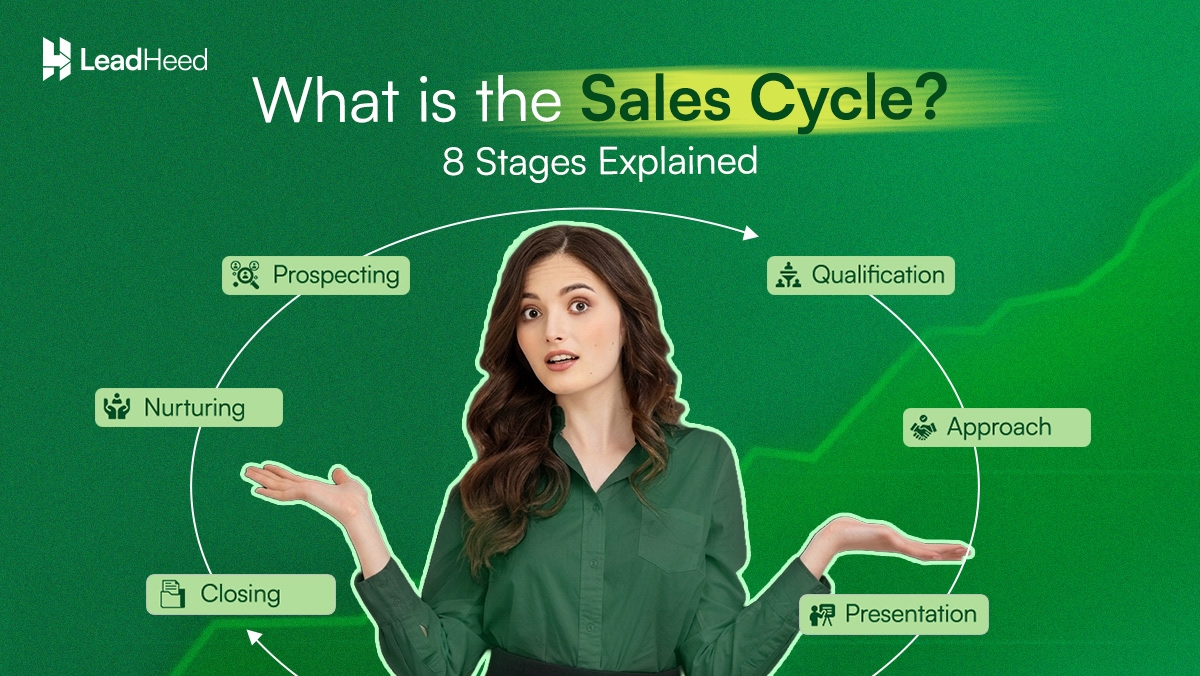
A simple lead funnel helps you stop chasing random inquiries and start converting leads in a repeatable way. While generating insurance leads, you must ensure that every prospect goes through the same steps: Attract, Capture, Qualify, Nurture, and Convert.
Attract
Bring in the right audience using local search, referrals, partnerships, social content, and targeted ads. Instead of trying to reach everyone, focus on people who match your product (life, health, business, motor) and your service area.
Capture
Collect lead details through a form, landing page, call, WhatsApp message, or appointment booking. Capture the basics early (name, phone/email, policy type, location, and timeline) so you can follow up properly.
Qualify
Ask a few questions to check fit and readiness: what coverage they want, who it’s for, budget range, current policy status, and timeline. It helps you prioritize serious leads and avoid wasting time on low-intent inquiries.
Nurture
Many leads need reminders and trust before they buy. Send helpful follow-ups like plan comparisons, claim guidance, coverage explanations, and renewal reminders. Keep messages short and consistent so the lead stays engaged.
Convert
Move the lead to a clear next step: call, quote, document collection, payment, or policy issuance. Always end each interaction with one action and a time, so the deal moves forward instead of staying “pending.”
8 Best Strategies to Generate Leads for Insurance Agents
The most reliable strategy for insurance lead generation is to build a few strong channels: local search, referrals, partnerships, and simple follow-ups. Insurance agents must stay consistent across the channels and respond fast so leads do not go cold.
1. Optimize Your Website for Local SEO
Local SEO helps you show up when people search with intent, like “insurance agent in [city]” or “health insurance near me.” These leads convert well because they already want coverage and are actively looking for someone to help.
To improve local SEO, create service pages for each insurance type and location you serve (life, health, motor, business) and add clear contact options on every page. Include trust signals like reviews, and client proof, and add your contact details.
2. Get Referrals to Sell Your Insurance Policies
Referrals work best in insurance because trust already exists. When someone comes through a friend, client, or partner, they worry less about scams and feel more comfortable sharing details. That means referral-based insurance leads usually convert faster and stay longer.
To get more referrals, make it easy for clients to recommend you. Ask your existing clients for referrals at the right time. Your referral request should be simple: “If you know anyone who needs life or health insurance, feel free to share my number.”
Track who referred the lead and thank them consistently, so referrals become a predictable channel, not an occasional surprise.
3. Build Partnerships that Send You Leads
Partnerships are one of the most consistent ways to get leads for insurance agents because the right partners meet your ideal clients every day. For example, accountants, loan officers, HR teams, clinics, and financial advisors often speak with people who need coverage or policy updates. When you become their trusted insurance contact, leads come in regularly without running ads.
To generate insurance leads through partnership, choose 5-10 partners who match your niche (life, health, SME, or motor), share a clear offer (quick quote, plan comparison, renewal review), and agree on a basic referral flow. Then stay visible with monthly check-ins and updates, so they remember you when a client asks, “Do you know a good insurance agent?”
4. Content Marketing to Build Awareness & Trust
Insurance buyers do a lot of research before they commit. If your content answers their questions clearly, you attract people who already trust you before the first call. That is why content marketing works well for insurance lead generation. It turns your expertise into inbound leads over time.
Focus on simple topics that match real search intent: “term vs whole life,” “best health insurance for families,” “what affects premium,” “how claims work,” and “what documents are needed.” Add a short “request a quote” form on the page, so readers can contact you immediately when they are ready.
Create Custom Forms for Your Website to Generate Insurance Leads
Create a consultation form inside the CRM and embed it directly on your blog pages. Every submission lands in your lead list with clean details.
5. Generate Insurance Leads From Social Media
Social media helps you get insurance agent leads because it builds familiarity fast. When people see simple explanations, real examples, and consistent posting, they start trusting you, and they message you when they need a quote or plan advice.
Post content that answers common questions (coverage, premium factors, claim steps), share short client proof (without personal details). Move serious conversations off the comments into DMs, collect the key details, and set a next step.
6. Run Paid Ads to Generate Leads for Insurance Agents
Paid ads work when you target high-intent searches and make it easy for people to request a quote. The fastest channels are Google Search ads (people already looking for insurance) and Facebook/Instagram lead ads (easy form submissions inside the app). Both can generate steady insurance leads if your offer is clear and your follow-up is quick.
7. Buy Insurance Leads Carefully
Buying insurance leads can work, but only when you treat it like a testing channel, not your main strategy. Many purchased leads are shared with multiple agents or are not ready to buy, which is why agents often feel they “don’t work.” Quality, freshness, and exclusivity matter more than volume.
Before you buy leads, check three things: are they exclusive, how recent are they, and what source generated them (ads, form submissions, call inquiries)? Also, confirm compliance and consent.
8. Use Telemarketing the Right Way for Insurance Leads
Telemarketing can generate insurance agent leads, but it works best when you use it carefully and ethically. Cold calling random lists often creates low trust and low conversions. A better approach is to call warm or semi-warm lists. They are people who requested information before, older leads that went quiet, renewal lists, referrals, or business contacts.
Start with a clear reason, ask if it’s a good time, confirm what coverage they need, then offer a next step like a quote or a quick comparison. Log outcomes and set follow-up tasks, because telemarketing converts through repeated contact, not one call. When you track every call and follow-up properly, telemarketing becomes a structured channel instead of a hit-or-miss effort.
Use LeadHeed to Follow Up on your Insurance Leads
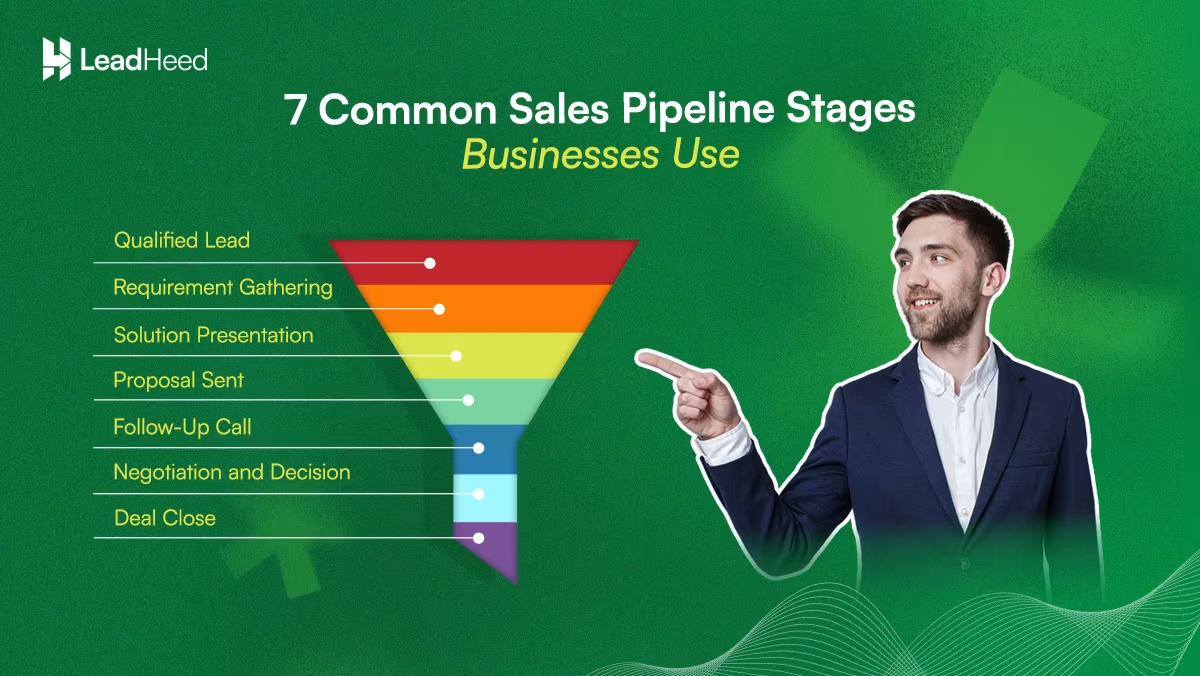
Beyond lead generation, LeadHeed keeps your insurance leads organized and easy to follow up. Move your deals through a clear sales pipeline to close deals.
Conclusion
Insurance lead generation works best when you build a few strong channels and stay consistent. Local search, referrals, partnerships, content, social media, and paid ads can all bring insurance leads, but results come from how fast you respond and how well you follow up. When you qualify the need early and nurture leads with clear, helpful messages, you convert more inquiries into long-term clients.
If you want a simple way to manage the full process, use LeadHeed. It’s an all-in-one CRM that helps you capture leads through forms, organize them with tags, and track lead sources. Once you qualify your insurance leads, you can move them to your sales pipeline for follow-ups. Sign up for free!!
Frequently Asked Questions (FAQs)
What is lead generation in insurance?
Insurance lead generation is the process of attracting people who may want coverage (life, health, motor, business), capturing their contact details, and moving them toward a quote and policy purchase.
How do insurance brokers get leads?
Brokers usually win leads through referrals, local partnerships, local search visibility, and fast follow-up. Know that clients compare multiple options and trust matters.
What is the average cost per lead for insurance?
The average cost per lead (CPL) for insurance generally ranges from $10 to $45 for shared web leads, while exclusive, real-time leads often cost $45 to $120+, varying significantly by product (e.g., auto, health, life). Live transfers are the highest, often costing $80 to $200+.
How much does it cost to buy leads for life insurance?
The cost to buy life insurance leads generally ranges between $20 and $45 for shared web leads and between $75 and $150 for exclusive leads.