

Real estate lead generation is not difficult because people are not interested. It feels difficult because leads come from many places—Instagram DMs, calls, referrals, listing portals, and open houses, and most agents do not follow up consistently.
A lead that could turn into a deal often goes cold because the response was slow, the message was generic, or the details were never captured properly.
To generate real estate leads, the agents and realtors must focus on building a predictable flow of buyer and seller opportunities.
What “Real Estate Leads” Actually Mean
A real estate lead is any person who shows interest in buying, selling, or renting a property and shares a way to contact them. However, not every lead has the same value. Some leads are ready to act now, while others only want information and may take weeks or months to move forward. When you understand the type of lead you are dealing with, you can choose the right message and the right follow-up plan.
Buyer Leads vs Seller Leads
Buyer leads usually ask about listings, budgets, locations, and timelines. They often need guidance, property options, and help with viewings.
Seller leads care more about pricing, timing, local demand, and trust in the agent. Sellers also need strong confidence that you can market the property and negotiate well.
Because the goals of the buyer leads and seller leads are different in real estate, your lead magnet and follow-up approach should differ, too.
Warm Leads vs Cold Leads
Warm leads already know who you are. They may come from referrals, past clients, repeat website visitors, or people who have engaged with your content. Meanwhile, Cold leads have not built trust yet. They may come from ads, portals, or social media inquiries.
Warm leads respond faster, but cold leads can convert well when you nurture them with useful updates, a clear guide, and consistent follow-up.
How to Generate Real Estate Leads? Top 8 Strategies
Real estate leads come from two sources: people who find you online and people who hear about you through trust networks. They stay visible in local search, show proof on social media, and follow a consistent routine to capture and follow up on every inquiry.
1. Optimize Your Website for Local SEO
Local SEO helps you show up when people search for “real estate agent in [area]”, “homes for sale in [area]”, or “sell my house in [city]” on the web. These leads often convert better because the buyer or seller is already looking for help.
Set Up and Optimize Your Google Business Profile
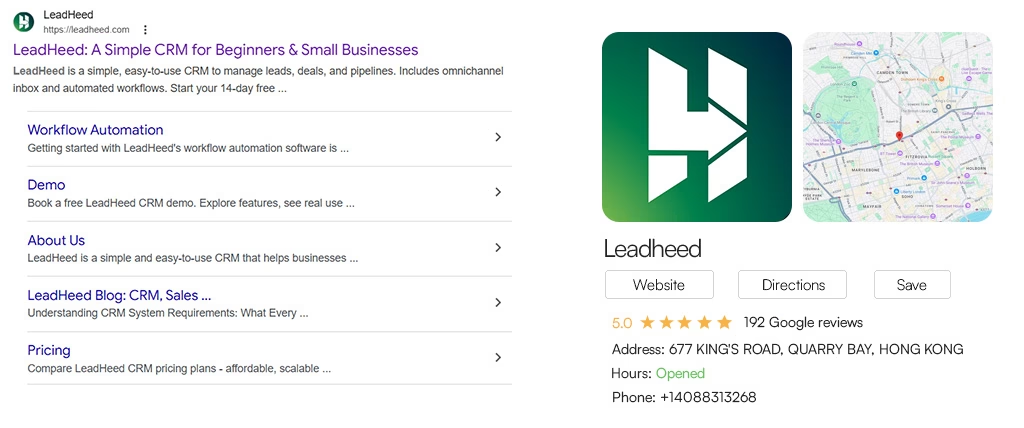
Your Google Business Profile is the listing that appears on Google Search and Maps with your phone number, reviews, photos, and call button. When it looks complete and active, people contact you directly from it. Add the right category, service areas, contact details, business hours, and upload real photos regularly to build trust.
Collect Reviews
Ask recent clients for short reviews, reply to every review, and keep the flow steady over time. A profile with recent reviews often gets more calls than a profile that looks inactive.
Create Location Pages that Match Local Searches
Create website pages for each area you serve, like “Real Estate Agent in [Area]” or “Homes for Sale in [Area].” Add local details, services you offer, proof (sold homes, testimonials), and a clear form to request listings or a valuation.
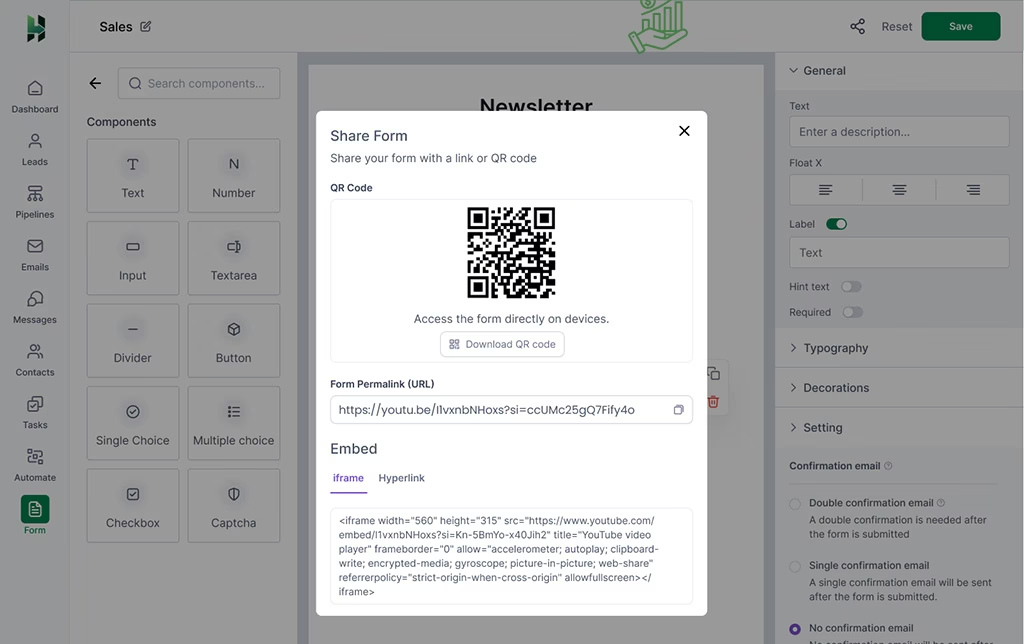
To capture leads from those web pages, you can embed a form that the visitors can fill out—name, phone/email, preferred area, budget range, and buying or selling timeline.
When someone submits the form, you can send an instant confirmation message and follow up on the leads for conversion. The real estate leads you generate through Local SEO convert best when you respond fast.
LeadHeed provides you with a real estate CRM where you can build custom forms that you can embed on your website to capture leads and move them forward for follow-ups.
Publish Neighborhood Guides
Publish neighborhood guides on your website because they answer what buyers care about: pricing, schools, commute, lifestyle, and property types. Add a call-to-action like “Get listings in this area” to turn readers into leads.
2. Publish Listings and Property Content
Property content brings inbound leads because it gives people a reason to message you first. Buyers want options and details. Sellers want proof that you can market and close. When you publish listings the right way, each post becomes a lead magnet, not just a “nice update.”
Write Listing Descriptions that Make People Inquire
Most listings sound the same, so they do not trigger action. Focus on the lifestyle and outcomes: who the property is ideal for, what makes the location valuable, and why this home is worth viewing. Add key facts (size, rooms, parking, nearby landmarks) and end with one clear call-to-action like “Message me for the brochure, price, or viewing slot.”
Use “Just Listed” and “Just Sold” Posts to Build Trust
“Just listed” content drives buyer messages. “Just sold” content drives seller leads because it proves results. Always include the area, property type, and a simple hook like “More homes like this available, Send your budget.”
Create Short Video Walkthroughs for Every Property
A 30-60 second walkthrough works better than long videos because people watch it fully. Start with the best visual first, show the layout quickly, mention 3 highlights, and close with “DM for price and viewing.” Post the same video on Instagram Reels, Facebook, YouTube Shorts, and even WhatsApp status for extra reach.
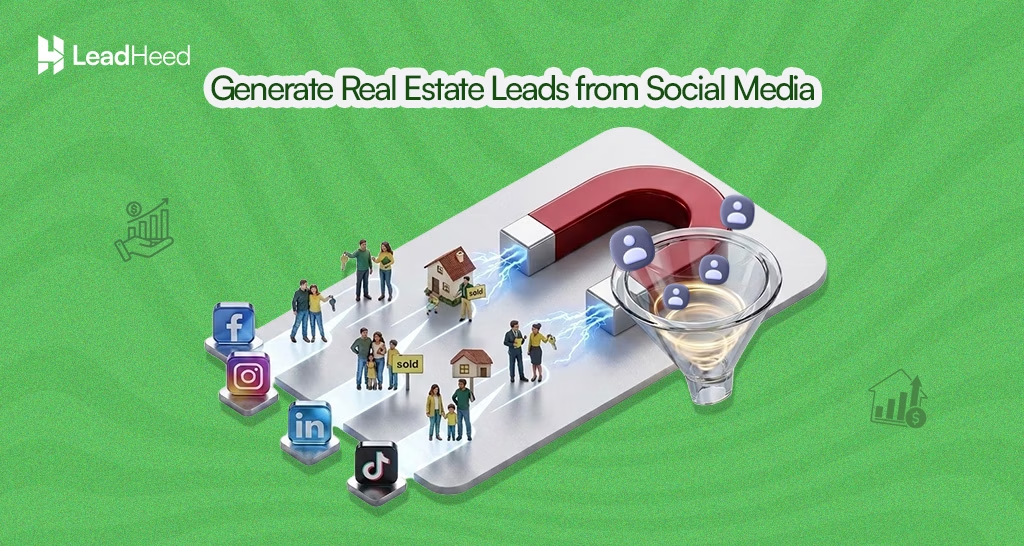
3. Generate Real Estate Leads from Social Media
Social media works for real estate because it builds trust before the first call. The goal is not to “go viral.” The goal is to attract local buyers and sellers, start conversations, and capture their details so you can follow up properly.
Instagram + Facebook Content Pillars
Use four pillars that attract both real estate buyers and sellers: listings (new, price drop, open house), local lifestyle (neighborhood highlights, commute, schools), education (buying/selling tips, loan basics, pricing factors), and client stories (just sold, testimonials, before/after). It builds trust and keeps your content useful, so people follow you and message you when they are ready.
DM Strategy that Feels Natural
Reply with a simple prompt that invites action: “Want the list?”, “Want the brochure?”, or “Want similar homes?” Then ask one quick question (area + budget) and share the next steps (share shortlist, book viewing, or send details). It keeps your DM flow friendly but still moves the lead toward a decision.
WhatsApp and Messenger Follow-Ups
Keep follow-ups fast and organized: label the lead (buyer/seller + area), reply the same day, and send short weekly updates (new listings, price drops). End every message with one clear action like “Want to view this?”
Manage Your Social Messages Inside an Omnichannel Inbox
LeadHeed lets you handle your Facebook, Instagram, and WhatsApp messages within the CRM.
4. Run Paid Ads That Bring Buyer and Seller Leads
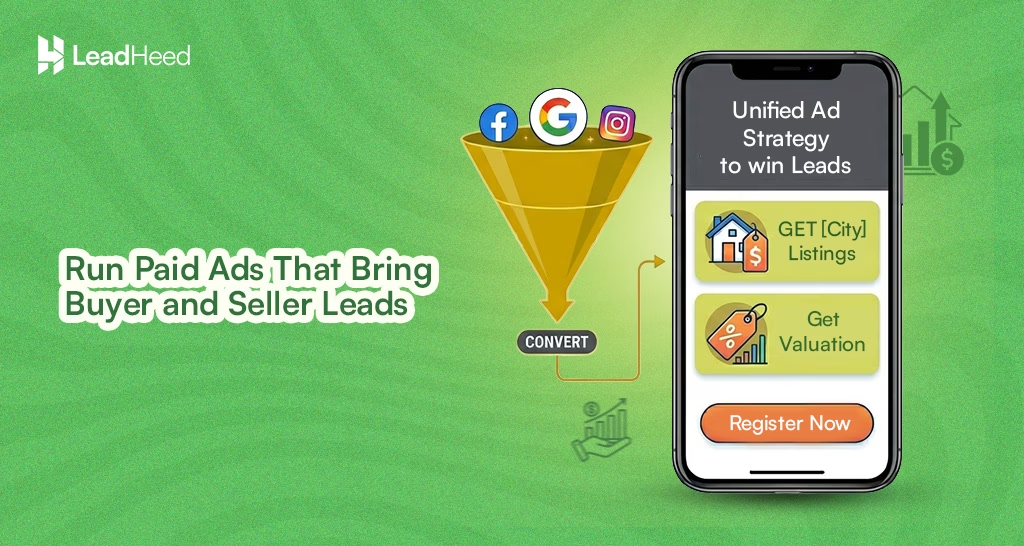
Generating leads in real estate is faster with Paid ads because you reach people who are actively searching or browsing properties right now. Run ads with a clear offer, capture leads, then follow up quickly.
Facebook and Instagram Lead Ads
Lead ads work well because people can submit their details without leaving the app. Offer something specific, like “Get new listings in [area] under [budget]” for buyers or “Free home valuation report” for sellers.
Google Search Ads for High-Intent Leads
Google ads target people who already want an agent, such as “sell my house in [city]” or “real estate agent near me.” These leads often cost more, but they are more serious. Use a dedicated landing page with one clear form and one phone number.
Retargeting Ads to Convert Warm Prospects
Many people visit your website or view a listing and leave. Retargeting brings them back by showing ads to those visitors on Facebook, Instagram, or Google Display. Use simple messages like “Still looking in [area]? Get today’s available listings” or “Book a free valuation call.”
Segment Your Leads Based on the Channels They Came From
Send, schedule, track, and automate emails as leads move through your pipeline. LeadHeed CRM helps your team follow up on time.
5. Use Open Houses and Local Events
Open houses and local events bring some of the strongest leads because people show interest in person. The results depend on two things: how well you promote it and how quickly you follow up after.
Promote the Open House Before the Event
Promote it 3-5 days before using Instagram/Facebook posts, stories, local groups, and a short reel. Share the exact location, time, parking details, and 2-3 highlights (view, layout, neighborhood). Add one clear CTA like “DM ‘OPEN’ for the address and details.”
Capture Leads On the Spot
Beyond phone numbers, consider taking more details about the prospects (name, phone/email, buyer/seller, budget range, preferred area).
Use Brochures and Pamphlets to Capture Leads Later
Many visitors will take details and decide later. Give the visitors brochures/pamphlets with a QR code of your lead capture form on it: People can scan it at home later, which helps you bring leads even after the open house ends.
Manage Your Emails Within Your CRM
Send, schedule, track, and automate emails as leads move through your pipeline. LeadHeed CRM helps your team follow up on time.
6. Get Referral Leads and Local Partnerships
Referrals and partnerships bring some of the highest-quality real estate leads because trust already exists. Instead of chasing cold inquiries, you get introductions from people who already believe you can help.
Ask Past Clients for Referrals the Right Way
Most clients will refer you if you ask clearly and at the right time. Send a short message after a successful deal or a few weeks after move-in: “If you know anyone buying or selling in [area], feel free to share my contact. I’ll take good care of them.” Keep the message simple and specific so it feels natural.
Build Partnerships that Send You Steady Leads
Partner with people who meet buyers and sellers every day (loan officers, builders, interior designers, movers, contractors, and relocation consultants). Agree on a simple referral system and keep it fair and transparent. Strong partners can bring better leads than paid ads.
Turn Local Businesses into Lead Sources
Local businesses know the community. Connect with cafés, gyms, schools, and service providers and offer something valuable: a “neighborhood property update” they can share, or a small guide for buyers/sellers. When they see you as helpful, they recommend you more often.
7. Offer Something Useful in Exchange for Contact Details
Most buyers and sellers won’t fill a form just because you ask them to “contact you.” They will share their details when they get something useful in return. Consider giving them some “free offers” because it gives people a clear reason to respond.
Free Offers for Buyers
Offer something that helps buyers make faster decisions, like “Get today’s new listings in [area] under [budget]” or “Send me your budget and I’ll share 5 matching homes.” This attracts people who are actively searching, not just browsing.
Free Offers for Sellers
Sellers want pricing clarity and a plan. Examples: “Free home valuation report,” “How to price your home in [area],” “Sell faster checklist,” or “What buyers look for in [city].” These offers bring homeowners who are considering selling.
Strategies to Generate Commercial Real Estate Leads
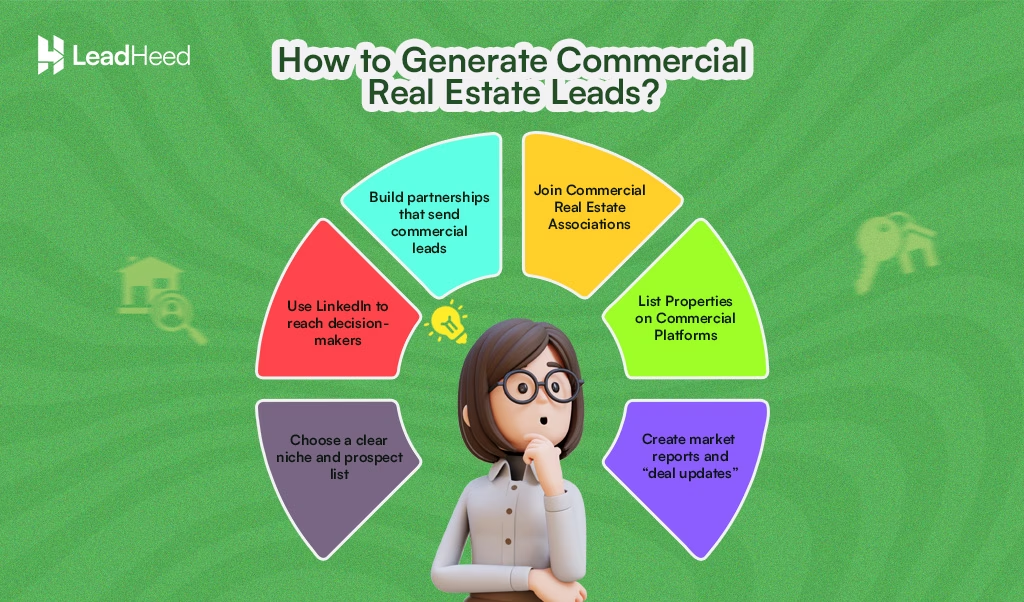
Commercial real estate leads work differently from residential. The sales cycle is longer, decision-making involves more people, and trust matters more than quick replies. The best way to generate commercial real estate leads is to target specific business needs, build authority in one niche, and stay consistent with outreach and follow-up.
1. Choose a Clear Niche and Prospect List
Commercial becomes easier when you focus. Pick a niche like retail leasing, office spaces, warehouses, land, or multi-family. Then build a targeted list of businesses and owners in your area. A smaller, focused list converts better than trying to “sell to everyone.”
2. Use LinkedIn to Reach Decision-Makers
LinkedIn works well for commercial leads because you can reach owners, founders, and managers directly. Post short insights about market trends, vacancy updates, and leasing tips, and connect with local business owners. Use a simple message: introduce yourself, share one useful point, and ask if they want a short call to explore options.
3. Build Partnerships that Send Commercial Leads
Commercial referrals come from accountants, lawyers, architects, builders, property managers, and bankers. These professionals often know who is expanding, relocating, or selling. Build relationships and stay top of mind with regular check-ins and a clear referral system.
4. Join Commercial Real Estate Associations
Associations help because they put you in front of serious investors and brokers and give you credibility faster. Groups like CCIM, SIOR, and ICSC can help you meet decision-makers, attend local events, and get access to networks where deals actually happen.
5. List Properties on Commercial Platforms
Commercial clients often search on specialized platforms, so being present there increases inbound inquiries. Sites like LoopNet, Crexi, and CoStar help you get exposure to investors and businesses looking for properties. Add strong photos, clear details, accurate pricing, and a direct call-to-action to book a meeting.
6. Create Market Reports and “Deal Updates”
Commercial clients want data. Share short reports like “Warehouse rent trends in [area]” or “Top commercial properties available this month.” This positions you as an expert and gives prospects a reason to contact you.
How Real Estate Agents Can Ethically Generate Divorce Leads?
Divorce often forces real estate decisions such as selling a shared home, buying two separate homes, relocating quickly, or getting a fair property valuation. Real estate agents can generate these divorce leads as well. However, because it’s a sensitive area, you must do it ethically: focus on helping and protect privacy.
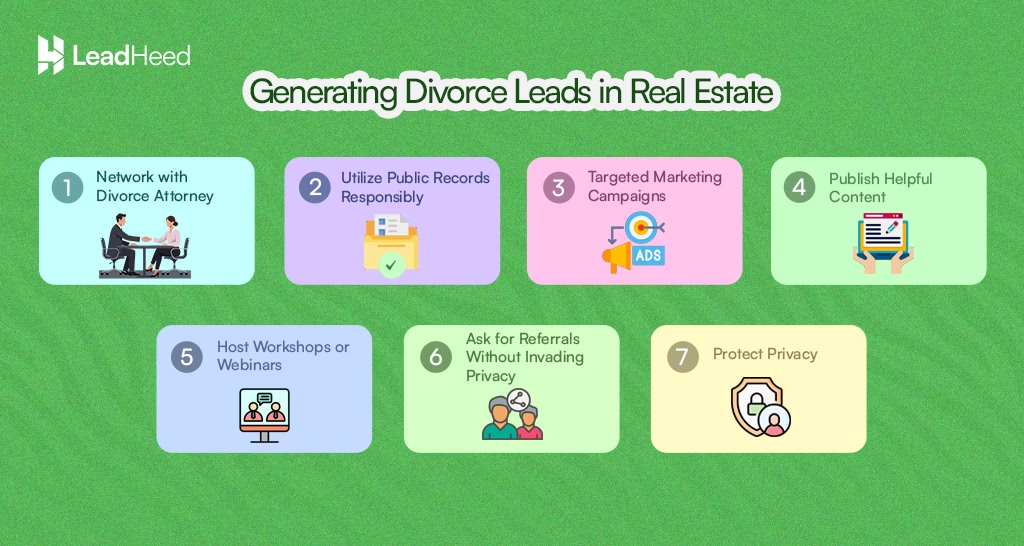
1. Build Referrals With Divorce Professionals
Partner with family attorneys, mediators, therapists, financial planners, and divorce lawyers. These professionals meet clients who need housing decisions.
2. Utilize Public Records Responsibly
Public records can help you understand local housing trends and identify situations where homeowners may need real estate support. Use the data for research and planning, not for intrusive targeting.
3. Publish Helpful Content for Estranged Couples
Create practical content like “What happens to the house during divorce?”, “Sell vs buyout: which option fits?”, and “How to sell a home when both spouses disagree.”
4. Host a Small Workshop or Webinar
Run a short session like “Divorce & Real Estate: options for the family home” with a mediator or legal professional. Collect registrations, then follow up with a helpful summary and an optional consultation.
5. Target Relevant Keywords for Google Search Ads
Instead of targeting people, target search intent. Run ads for keywords like “sell house during divorce,” “property settlement house sale,” or “buy a home after divorce.”
6. Ask for Referrals Without Invading Privacy
Past clients may know someone going through a major change, but avoid asking for names or details. Use neutral language: “If you know anyone who needs to sell or relocate due to a life change, feel free to share my contact.” This keeps it respectful and ethical.
7. Protect Privacy and Keep Communication Neutral
Use calm, professional language in messages and forms. Collect only what you need (area, timeline, property type, best contact). Keep notes confidential, and always ask for consent before sending follow-up emails or texts.
You Have Your Real Estate Leads Now, What’s Next?
Once you have real estate leads, the next step is to respond fast, collect the right details, and follow a clear routine. Confirm whether the lead is a buyer or seller, ask their requirements (area, budget, timeline), and set one immediate action like a call, valuation visit, or viewing schedule.
You must give your prospects relevant updates and stay consistent with follow-ups. With LeadHeed, you can manage the entire process in one place. Our all-in-one CRM system helps you capture leads through forms, track where each lead came from, tag and organize leads by area and intent, and move them through a clear pipeline. You can also set tasks and reminders (and automate follow-ups) so no inquiry gets missed and every lead gets the right next step on time. Start for free now!!
Frequently Asked Questions (FAQs)
What is the best way to generate leads for real estate?
The best ways to generate leads for real estate include:
- Referrals/SOI: Past clients, friends, family, local partners (highest trust).
- Local SEO: Google Business Profile + location pages (“agent in [area]”, “sell house in [area]”).
- Content + social: Listings, “just sold”, neighborhood tips that start DMs.
- Paid ads (optional): Google Search for seller intent + Meta lead ads for buyer lists.
Where do most realtors get their leads?
Most realtors get their leads from referrals and repeat relationships. According to National Association of REALTORS, 40% of buyers find agents through friends/relatives referrals. The report also suggests that 66% of recent home sellers use a referral or an agent they had worked with before.
What is a CRM in real estate?
A real estate CRM is software that helps agents capture leads, store contact details, track conversations, schedule follow-ups, and move deals through stages (new inquiry → contacted → viewing → offer → closed).
How long should I follow up with real estate leads?
Most real estate leads need time, so follow up longer than you think. Use a simple cadence: same day, then Day 2, Day 4, Day 7, then weekly for 4-6 weeks. After that, keep monthly check-ins (new listings, price drops, market updates) for several months if they remain a fit.