

Most businesses do not lose deals because of weak offers. They lose deals because the path from interest to decision takes too long. As time passes, prospects lose focus, compare alternatives, or stop replying.
The delay usually comes from unclear next steps, slow follow-ups, and a lack of structure in how conversations progress. When your team does not follow the same process every time, deals move at different speeds, opportunities slip through, and you cannot predict results with confidence.
A well-defined sales cycle explains the clear set of actions that take place from the first interaction with a lead to the final yes or no. When you manage each step with purpose, you reduce delays, keep momentum, and guide buyers toward a decision with less friction.
Highlights
- A sales cycle is a structured, repeatable process that guides a lead from first contact to a final buying decision.
- A defined sales cycle improves consistency, speeds up follow-ups, reveals what works, and makes revenue forecasting more accurate.
- The sales cycle stages include finding buyers, qualifying prospects, discovering needs, presenting solutions, sending proposals, handling objections, closing deals, and following up.
- Managing the full sales cycle requires real-time visibility, a well-organized CRM, automation, buyer-aligned actions, AI support, and continuous training.
- Sales cycles break due to poor qualification, weak discovery, unclear next steps, slow responses, inconsistent follow-ups, and mishandled objections.
What is the Sales Cycle?
A sales cycle is a repeatable, step-by-step set of actions a salesperson follows to turn a brand-new lead into a paying customer. It gives your team a clear sequence for how you engage a lead, build trust, and guide them toward a clear yes or no decision.
The sales cycle includes key steps like finding the right leads, checking if they are a good fit, presenting the offer, handling questions, and closing the deal. When you break sales into these steps, you can see where deals slow down, track how long it takes to close, and deliver a consistent experience to every buyer.
Why is the Sales Cycle Important?
A defined sales cycle reduces confusion by guiding reps through clear steps, helping them follow up on time and maintain momentum. It also improves consistency, reveals what’s driving conversions, speeds up onboarding, and makes sales and revenue forecasting more reliable.
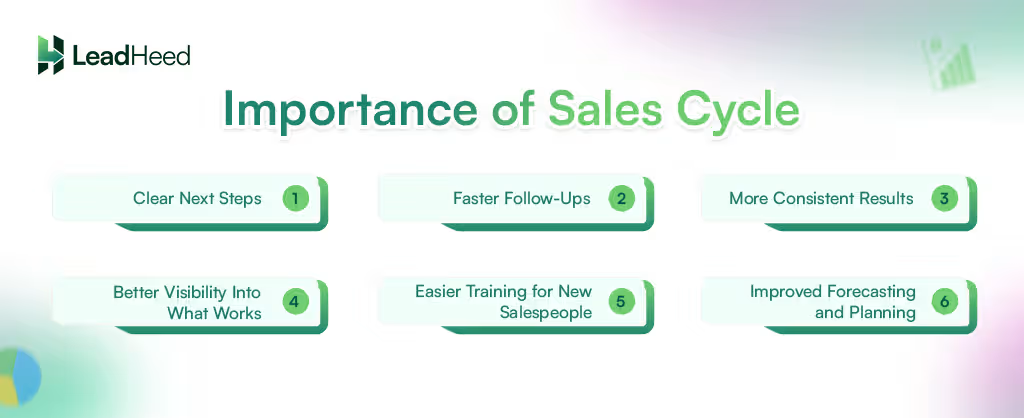
- Clear Next Steps: A defined sales cycle tells your team what to do after each interaction. This reduces confusion, improves follow-ups, and keeps deals moving forward without delays.
- Faster Follow-Ups: When each step has a purpose, follow-ups happen on time. You maintain momentum, answer questions quickly, and reduce the chance of prospects going cold.
- More Consistent Results: When everyone follows the same steps, you reduce random outcomes. A repeatable process creates a steady way to guide buyers from interest to decision.
- Better Visibility into What Works: A structured sales cycle makes it easier to see which actions lead to conversions. You can improve specific steps instead of changing everything at once.
- Easier Training for New Salespeople: New team members learn faster when you give them a clear process to follow. This reduces ramp-up time and improves team consistency.
- Improved Forecasting and Planning: When you manage your process well, you can estimate outcomes with more confidence. You also understand and improve your sales cycle length by removing delays and keeping each step focused.
What Are the 8 Stages of the Sales Cycle?
The sales cycle has 8 steps: Find buyers, connect and qualify, discover needs, present the solution, send a proposal, handle objections, close the deal, and follow up. Following these steps helps you create trust, prove value, and secure the deal.
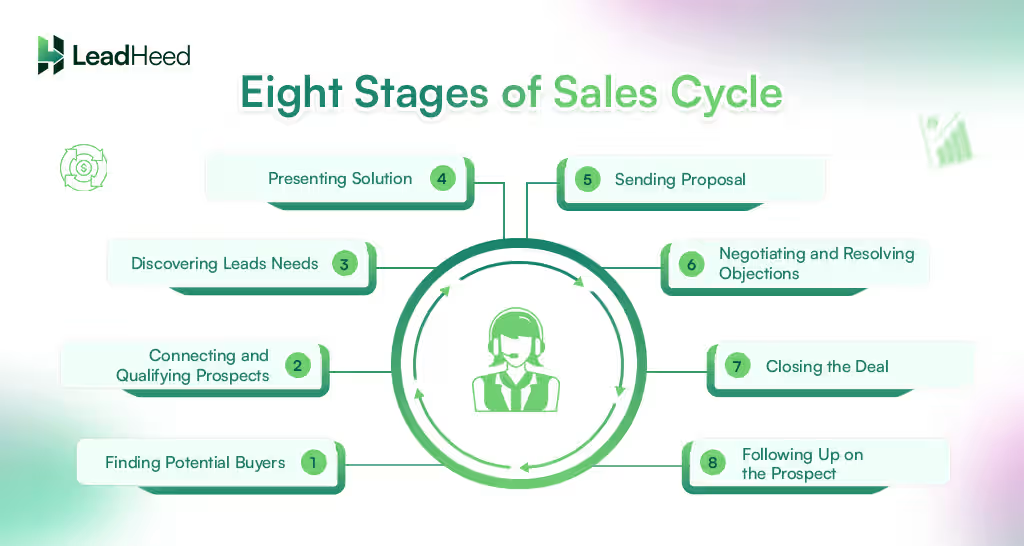
1. Finding Potential Buyers
To sell your product or service, you first need to identify the customers who are most likely to benefit from it. Start by defining your ideal customer, such as their industry, company size, or location. Then capture leads using sources like referrals, events, online communities, or use lead generation tools like embedded web form, social media integration, live chatbot,s and more.
Your aim is to build a list of people who match your target customer profile, so your outreach is more relevant, and responses are higher.
2. Connecting and Qualifying Prospects
Once you have your lead list, you contact them through emails, phone calls, or social media messages. The goal at this stage is to quickly find out if the person is qualified to move forward with the sales process. You can use a simple lead qualification method like BANT (Budget, Authority, Need, Timeline) to guide the conversation.
Check if they have a budget, if you’re speaking to the decision-maker, if they have a real need for your product or service, and if they have a clear timeline to take action. If the lead answers no, it’s best to stop the sales process for now and move on to stronger prospects.
3. Discovering Leads Needs
Needs discovery is the stage where you focus on understanding the client’s needs, not convincing them. You set up a discovery call and ask open questions so the prospect can explain their problems, goals, and what is not working for them right now.
By the end, you should know their biggest challenges, what they want to achieve, and why it matters to them. It helps you avoid a generic pitch and instead offer a solution that feels specific, helpful, and valuable to them.
4. Presenting Solution
With insights from your discovery call, you deliver a focused pitch that matches the buyer’s real challenges. Share how the product works, why it fits, and what success could look like after implementation. You can back up your message with clear examples, quick visuals, or a short demo to further strengthen client confidence.
However, avoid overwhelming the conversation with unnecessary details. Highlight only the key features that directly address the problems they shared, so the focus stays on outcomes, ease of use, and measurable improvements.
5. Sending Proposal
After your presentation creates interest, you send a formal offer, so the buyer can confidently evaluate and approve. It is a clear written summary of what you and the buyer already agreed on, like what problem you will solve, what you will deliver, when it will be delivered, and who will handle what. Also, make sure to include the pricing and important commercial terms, so there are no surprises later.
Additionally, a proposal serves as a written reference for internal review and approval. It helps the buyer share your offer with other decision-makers, like their manager, finance team, or procurement, without needing you on every call.
6. Negotiating and Resolving Objections
Rarely does a client say “yes” immediately after a proposal. Most of them might have concerns about price, the effort of switching systems, or interest in a competitor. In this stage, you view objections as a request for more information, not a rejection.
Listen carefully and let the buyer explain their concern fully. Then respond with clear facts, simple comparisons, and real proof like case studies, reviews, or customer testimonials. When you handle objections calmly and clearly, you build trust and remove doubt. It helps turn a hesitant prospect into a confident buyer.
7. Closing the Deal
Closing the deal is the final step in the sales cycle, where the buyer makes the commitment to move forward. At this stage, all key questions are answered, and both sides agree on the solution. You then finalize the important details, such as the pricing plan, contract terms, payment method, and project start date. This step needs a balance of patience and follow-up, so the process keeps moving without making the buyer feel pressured.
Once the agreement is signed and the first payment or purchase order is received, the deal becomes official. In most CRMs, this stage is marked as Closed-Won
8. Following Up on the Prospect
After the sale, you must ensure the customer is happy and successfully onboarded. By staying in touch and providing ongoing value, you build a relationship that leads to renewals, upsells (buying more expensive versions), or cross-sells (buying related products).
Additionally, a happy customer is the best source for referrals, which helps you start the next sales cycle faster and with warmer leads.
Tips for Managing Full Sales Cycle
Effective full-cycle sales management depends on real-time deal visibility, an organized CRM (Customer Relationship Management) system, and automation that reduces manual tasks. The setup works best when reps align actions with buyer intent, use AI to respond faster, and reinforce skills through continuous training.
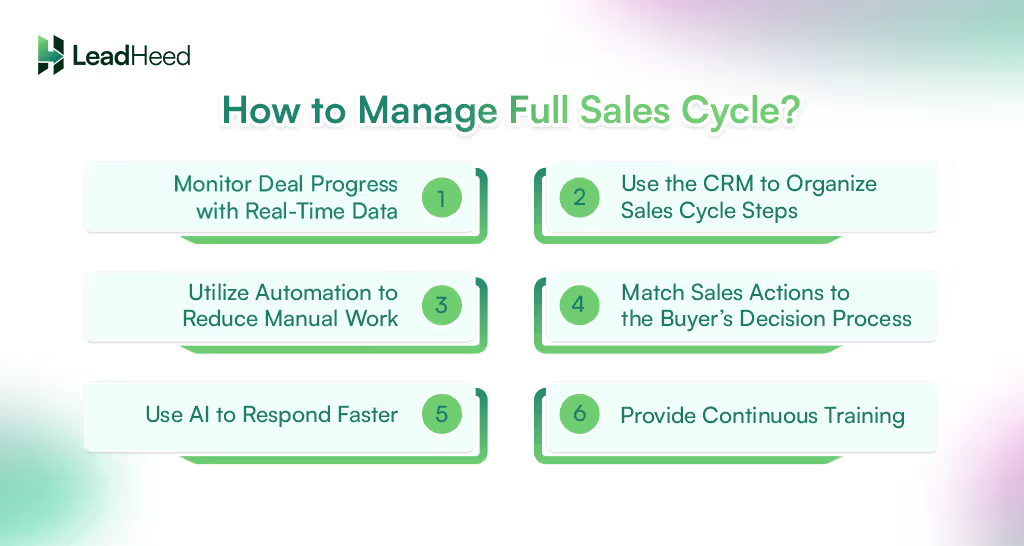
I. Monitor Deal Progress with Real-Time Data
To manage a full sales cycle well, you need real-time visibility into what happens at each step, from new lead to closed deal. Track simple CRM metrics like response time, stage-to-stage conversion rates, deal velocity, and why deals drop. When your data stays up to date, you can focus on the right opportunities and act quickly when a deal slows down.
II. Use the CRM to Organize Sales Cycle Steps
A CRM centralizes leads’ contact details, activity history, notes, proposals and tasks in one system. It helps you manage the full sales cycle consistently because you always know the context, what has already been discussed, and what must happen next. It also reduces handover problems when more than one person works on the same deal.
Speed Up Your Sales Cycle and Close Deals Faster with LeadHeed
Track every sales cycle stage in one place with LeadHeed’s organized CRM views, smart reminders, and automated follow-ups that keep prospects moving forward.
III. Utilize Automation to Reduce Manual Work
A full sales cycle includes lots of repeatable tasks, such as updating records, logging interactions, scheduling follow-ups, and sending repetitive outreach emails. When you set up CRM workflow automation, those actions can happen automatically: leads are assigned instantly, follow-ups are triggered based on engagement, and deal stages update as activity occurs. It improves speed and consistency while freeing reps to focus on sales tasks.
IV. Match Sales Actions to the Buyer’s Decision Process
Your sales cycle should mirror the customer journey, not your internal checklist. Map what buyers need at each phase and align your actions accordingly. At the early stage, focus on understanding needs and confirming fit. Later, provide proof, comparisons, and clear terms. Near the end, remove friction with simple next steps and direct answers. The alignment moves deal forward teh sales process without rushing the lead.
V. Use AI to Respond Faster
AI can help draft replies, summarize past conversations, suggest follow-up messages, and prepare quick answers to common questions. It can also assist with objection responses, account research, and prioritization signals, so reps spend less time preparing and more time selling. As a result, it improves response speed and quality, especially when your team handles many inquiries across channels.
VI. Provide Continuous Training
Sales cycles change as markets shift, products evolve, and customer expectations rise, so training can’t be a one-time event. Train your team regularly on qualification questions, discovery calls, objection handling, and closing techniques. Also, review real conversations, share what works, and update scripts and templates. Continuous training makes results more consistent and helps every salesperson manage the full sales cycle with confidence.
Common Mistakes that Break the Sales Cycle and Its Fixes
The sales cycle breaks when teams skip qualification, rush the pitch, fail to define next steps, respond slowly, neglect follow-ups, or mishandle objections. Strong qualifications, buyer-led discovery, clear commitments, fast responses, structured follow-ups, and confident objection handling keep deals moving.
I. Weak Qualification at the Start
Teams often accept every lead and start selling before they confirm fit, budget, or urgency. This creates long conversations with people who will never buy.
Fix: Use a short qualification checklist and confirm key basics early (need, budget range, decision-maker, timeline).
II. Skipping Discovery and Pitching Too Soon
Sales reps sometimes jump into features and pricing before they fully understand the buyer’s problem. This makes the offer feel generic and easy to ignore.
Fix: Ask focused questions first, then present a solution that directly matches the buyer’s goals and pain points.
III. No Clear Next Step After a Call or Message
Many deals slow down because conversations end without a specific action and deadline. When the next step stays unclear, buyers delay decisions, and you lose momentum.
Fix: End every interaction with one agreed-upon next step, a date, and who will do what.
IV. Slow Response Time During Key Moments
Buyers often ask questions when they feel ready to move forward. If your reply comes late, their urgency drops, and they start comparing alternatives.
Fix: Set internal response targets and use templates or AI-assisted drafts to reply faster without losing clarity.
V. Inconsistent Follow-Up
Some leads require several follow-ups before they respond, but teams stop too early or follow up randomly. This creates gaps that make buyers disengage.
Fix: Use a simple follow-up schedule and reminders so every deal receives steady, timely attention.
VI. Poor Handling of Objections
Teams sometimes treat objections as rejection and back off too quickly. In reality, objections often mean the buyer needs reassurance or more information.
Fix: Prepare answers for common concerns (price, timing, trust, comparison) and support them with clear proof, such as examples, outcomes, or terms.
Conclusion
A strong sales cycle gives you a clear and repeatable way to move a lead from first contact to a final decision. When you define the steps, manage each stage with intention, and track how long deals take to close, you reduce delays and improve consistency without adding pressure on the buyer.
To improve a sales cycle, you need visibility into what happens at each step and where deals slow down. LeadHeed, an all-in-one CRM software, gives you that visibility by organizing communication in one place, tracking deal activities, and supporting timely follow-ups through automations and reminders. Start LeadHeed free trial today!
Frequently Asked Questions (FAQs)
How long is a typical sales cycle?
A typical sales cycle can range from a few days to several months, depending on what you sell and how complex the decision is. Low-cost or simple purchases (often B2C or low-ticket B2B) usually close in days to a few weeks, while higher-value B2B deals commonly take several weeks to a few months.
What factors make sales cycles longer or shorter?
A sales cycle usually takes longer when the offer costs more, involves multiple decision-makers, requires detailed evaluation, or requires stronger proof before committing. It becomes shorter when the buyer has a clear need, the offer is simple and easy to understand, the decision-maker stays involved, and you respond quickly with clear next steps.
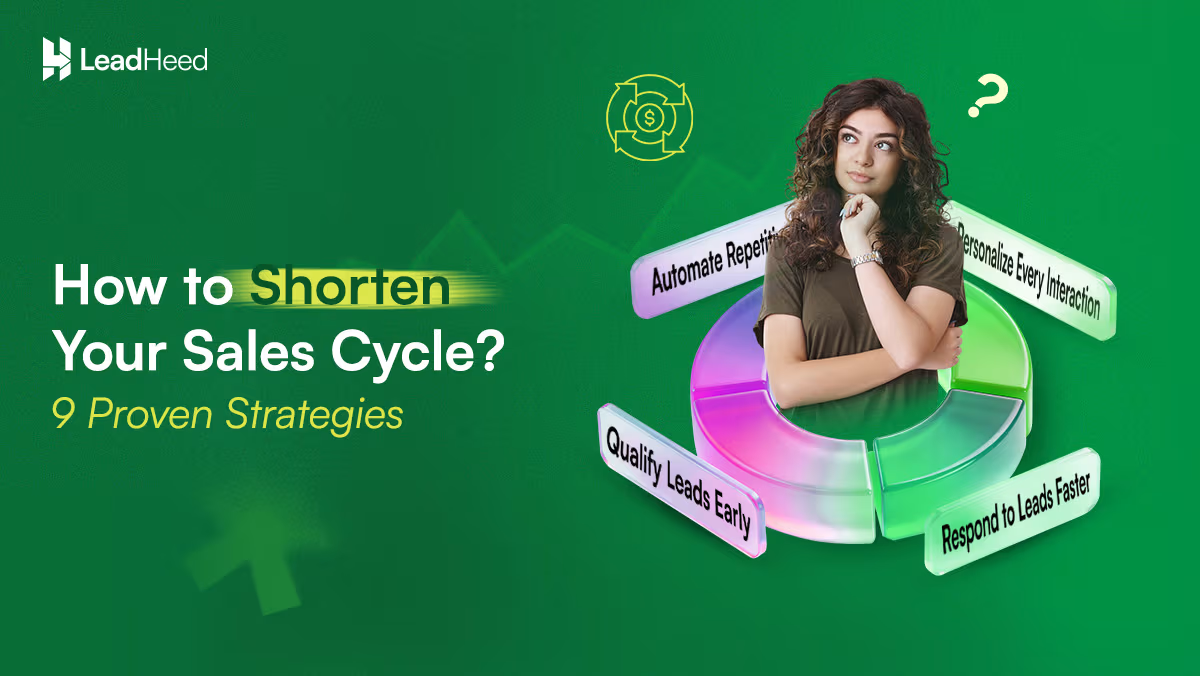
How can I shorten my sales cycle without rushing buyers?
You can shorten your sales cycle by clearly defining buyer needs early, providing relevant information upfront, and removing unnecessary steps or friction from the process.
Is the sales cycle the same as the sales process?
The sales process is the step-by-step method your company uses to sell (your internal playbook), while the sales cycle is the time-bound journey a buyer goes through from first contact to a yes or no decision.