

Many businesses focus heavily on closing sales, but sales do not happen without interest first. Before someone becomes a customer, they need to discover your business, understand your value, and decide to engage. Even with a great offer, without a lead acquisition strategy to attract the right audience, you may end up reaching the wrong people, wasting budget, and missing valuable growth opportunities.
Lead acquisition strategies break that cycle by helping businesses attract attention with purpose. Rather than relying on luck, random traffic, or scattered marketing efforts, they create a clear system for reaching potential customers and turning early interest into meaningful action.
Highlights
- Lead acquisition is the process of attracting potential customers and turning their interest into identifiable leads that your business can follow up with.
- Lead acquisition supports business growth by bringing qualified prospects into your pipeline and creating more consistent sales opportunities.
- Lead acquisition works by attracting the right audience, capturing their details, organizing them in a system, and guiding them toward conversion.
- The top channels for lead acquisition usually include SEO, content marketing, landing pages, paid ads, email, referrals, and social media.
- A better lead acquisition process depends on clear targeting, strong offers, simple forms, quick follow-up, and regular performance tracking.
What Is Lead Acquisition?
Lead acquisition is the process of attracting potential customers and getting them to share their contact details so your business can begin a direct follow-up. It moves people from general interest to a clear sales opportunity by turning anonymous visitors into identifiable leads.
The lead acquisition process is built on two important foundations:
- Lead Generation: Focuses on attracting new people to your sales funnel and encourages engagement, often through inbound marketing efforts.
- Lead Qualification: Review each lead to see how likely they are to become a customer. It uses factors such as behavior, intent, and shared details to determine which leads should move to sales.
A strong lead acquisition process helps your business bring qualified prospects into a system where they can be tracked, managed, and followed up on effectively. By connecting marketing efforts with sales action, it ensures each lead comes from a meaningful source and enters a clear, trackable pipeline.
Why Lead Acquisition Is Important for Business Growth?
Lead acquisition consistently attracts prospects who are more likely to buy, which helps your business build a strong sales pipeline. Also, a steady flow of qualified leads improves conversion rates, increases revenue opportunities, and supports long-term scalable growth.
I. Brings the Right People Into Your Pipeline
Instead of attracting random traffic, a lead acquisition strategy focuses on prospects with real interest. It improves lead quality and gives your sales team better chances to convert interest into revenue.
II. Supports Steady Business Growth
Business growth depends on a steady flow of new opportunities. Lead acquisition creates that flow by consistently bringing potential customers into your pipeline. When your business keeps attracting new leads, it becomes easier to maintain sales activity and support long-term growth.
III. Improves Sales Efficiency
When better leads enter your system, your team spends less time chasing people who are unlikely to convert. It helps sales teams focus on meaningful follow-ups and use their time more effectively.
IV. Increases Conversion Opportunities
Lead acquisition strategy targets people who have already shown interest in your business. When your pipeline includes more relevant and qualified leads, your team has a better chance of turning that interest into sales. It also creates more touchpoints for follow-up, which helps move prospects closer to conversion.
V. Makes Marketing More Measurable
A structured lead acquisition process helps you see which channels, campaigns, and offers are bringing valuable leads. When you understand how to acquire leads effectively, you can invest more confidently in the strategies that support growth.
VI. Reduces Wasted Time and Budget
Without a proper lead acquisition strategy, businesses often spend money attracting the wrong audience. A focused process helps you target better prospects, improve lead quality, and use your time and budget more effectively.
How Lead Acquisition Works?
In lead acquisition, your business first attracts potential buyers and gets them to show clear interest by sharing their details. That information enters your CRM system, where it can be tracked and followed up properly by your sales or marketing team and guide them toward conversion.
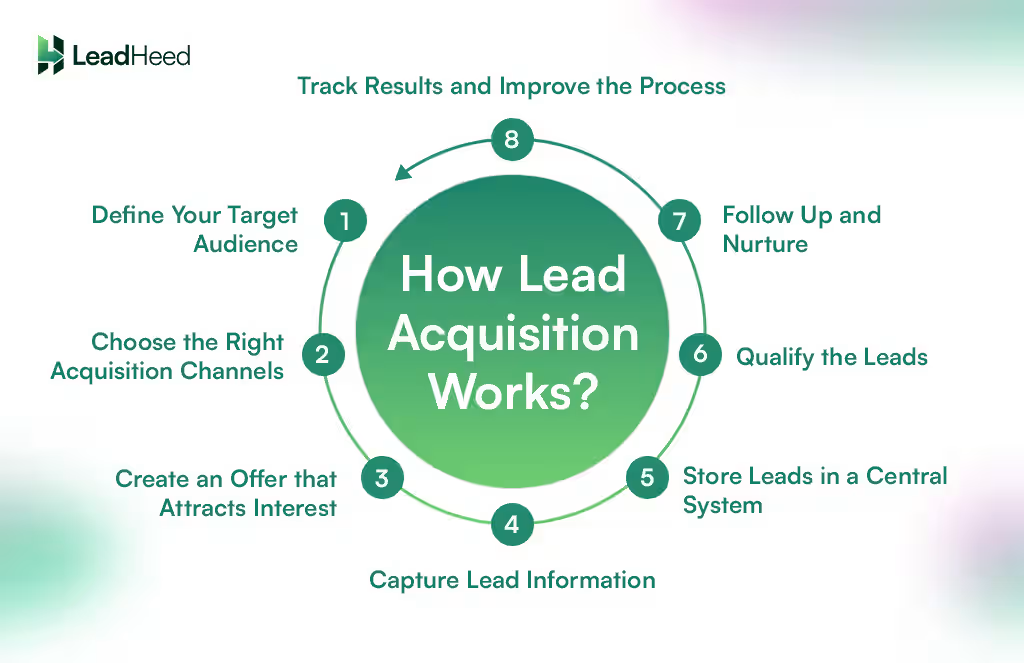
1. Define Your Target Audience
Your business first needs to identify who it wants to reach, what problems those people face, and why they would consider your product or service. This step helps you focus on the right prospects instead of attracting broad and low-value traffic.
2. Choose the Right Acquisition Channels
Once people notice your business, they need a reason to engage. A useful offer, such as a demo, free trial, consultation, newsletter, or downloadable resource, gives them a clear next step and encourages them to respond.
3. Create an Offer that Attracts Interest
People usually do not share their details without a reason. You need to present something valuable that encourages action, such as a free trial, demo, consultation, newsletter, or useful content. A relevant offer gives prospects a clear reason to engage with your business.
4. Capture Lead Information
When a prospect responds, the business collects key information through forms, sign-ups, calls, chat, or direct inquiries. It usually includes details like name, email address, phone number, company name, or service interest. At this stage, general interest becomes a real lead that your team can identify and contact.
5. Store Leads in a Central System
After capture, lead information should go into a system that keeps everything organized. A CRM or lead management system helps you store leads in one place, so you can track conversations, avoid confusion, and manage follow-ups properly.
LeadHeed combines lead capture, customer data, lead management, communication, and follow-up tools in one system. Its embedded forms and shareable links allow businesses to collect lead details directly from multiple channels.
Keep Your Lead Acquisition Process Organized
LeadHeed helps you capture leads, organize customer details, manage conversations, and follow up from one place.
6. Qualify the Leads
Not every lead is equally valuable, so businesses need to assess lead quality. It means reviewing whether the person fits your target market, shows real interest, has a need, or is likely to move forward. Qualifications help sales teams spend more time on leads with stronger potential.
7. Follow Up and Nurture
Businesses then follow up through calls, emails, messages, or other touchpoints to build trust and move the conversation forward. Here, you need to keep leads engaged and help guide them closer to a buying decision.
8. Track Results and Improve the Process
Lead acquisition works best when you measure what is bringing results. You need to see which channels, offers, and campaigns are generating quality leads and which ones are underperforming. Based on the insight, you can improve your lead acquisition strategy over time and make better marketing decisions.
10 Best Lead Acquisition Strategies for Increased Sales
Acquiring leads to increase sales involves targeting paid ads (Facebook/LinkedIn), content marketing (SEO, webinars), and using online form builders that you can embed on your website to capture leads.
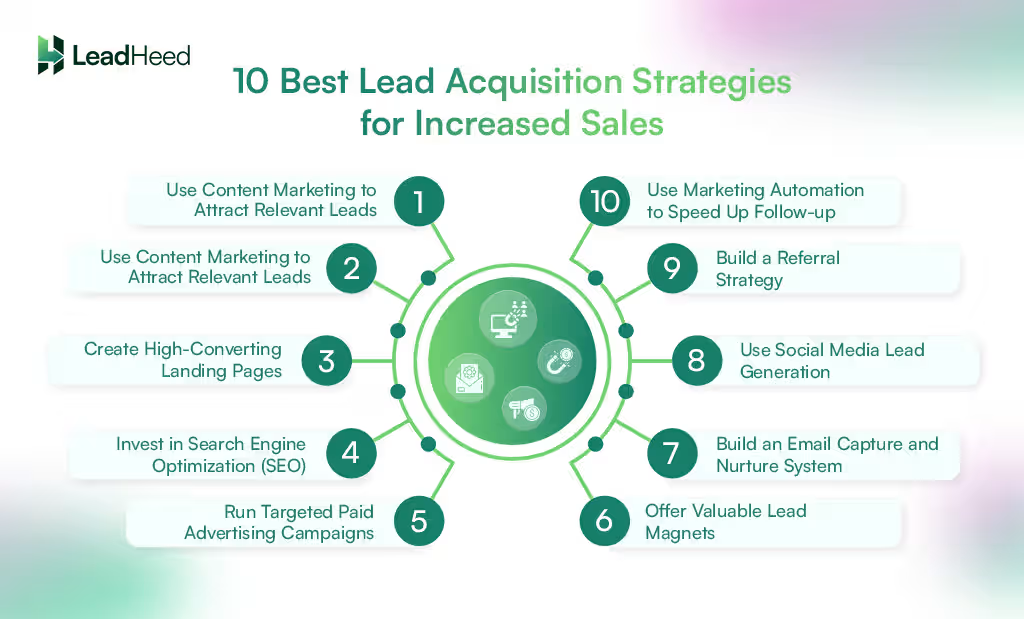
1. Use Content Marketing to Attract Relevant Leads
Many people do not become leads the first time they visit a website. They often start by searching for answers, learning about a problem, or comparing possible solutions. When your business creates content that supports those early stages, you build trust and bring in visitors who are more likely to become leads.
How to use it:
- Publish blog posts that answer common customer questions.
- Create guides, checklists, templates, or videos that offer practical value.
- Focus on topics your target audience is already searching for.
- Use content to move readers from awareness to action.
2. Create High-Converting Landing Pages
Getting traffic is only one part of the process. You also need a focused page that helps visitors take the next step without confusion. That is where landing pages become important.
A good landing page speaks to one audience, one offer, and one action. It should explain the value clearly, remove distractions, and make it easy for people to fill out a form, request a demo, or sign up. This helps turn interest into real lead acquisition results.
How to use it:
- Build each landing page around one audience and one offer.
- Write a clear headline that explains the value quickly.
- Remove extra distractions such as unrelated links or too much text.
- Use a simple form and a direct call to action.
3. Invest in Search Engine Optimization (SEO)
Search engines often bring in people who are already looking for a solution. These users often have stronger intent because they are actively searching for products, services, or answers. If your website appears in those searches, you can bring steady traffic and support long-term lead acquisition without relying only on paid campaigns. For agencies managing SEO campaigns for multiple clients, partnering with a white-label SEO provider can help expand delivery capacity without the need to build a larger in-house team.
How to use it:
- Target keywords your ideal customers are searching for.
- Create pages and blog content around those search terms.
- Improve your website structure, speed, and internal linking.
- Keep updating content so it stays useful and relevant.
4. Run Targeted Paid Advertising Campaigns
Organic channels take time to build momentum, but paid advertising helps you reach the right audience much faster. You place your offer in front of people based on what they search for, what they are interested in, and how they behave online. It gives your business a more direct way to attract attention from prospects who are more likely to respond.
How to use it:
- Promote a specific offer such as a free trial, demo, or consultation.
- Target people based on relevant keywords or audience interests.
- Match the ad message closely with the landing page.
- Track performance and adjust campaigns based on results.
5. Offer Valuable Lead Magnets
Not every visitor is ready to speak to sales or request a demo right away. Some people need a smaller first step before they feel comfortable sharing their details. You can offer something useful, such as a guide, template, checklist, calculator, or short email course, in exchange for contact information.
How to use it:
- Offer a checklist, template, guide, calculator, or short course.
- Make sure the resource solves a clear problem for your audience.
- Place the offer on landing pages, blog posts, or pop-ups.
- Keep the sign-up process short and easy.
6. Build an Email Capture and Nurture System
A person may show interest today but make a decision much later. During that silent period, you can gently remind them of your product, share useful information or present a more appealing offer through email. It makes your approach more personalized and trustworthy, which encourages prospects to engage with your firm.
How to use it:
- Collect email addresses through forms, sign-ups, or gated content.
- Send helpful follow-up emails instead of only promotional messages.
- Share product updates, resources, tips, or reminders.
- Use automation to keep follow-up consistent and timely.
LeadHeed offers built-in email management with ready-made templates that you can use to send follow-up emails directly or customize for more personalized communication. You can also set up automated email follow-ups that trigger when a lead moves to a certain stage or stays in the pipeline for too long.
7. Use Social Media Lead Generation
Social media helps your business reach potential leads where they already spend time. People use platforms like LinkedIn, Facebook, Instagram, and WhatsApp to discover ideas, learn about solutions, and connect with brands that match their needs. When your content is useful and relevant, it can build interest, encourage engagement, and guide people toward actions like sending a message, visiting a landing page, or making an inquiry.
How to use it:
- Share educational posts, customer stories, and practical tips.
- Use videos, carousels, or short-form content to increase engagement.
- Direct people to landing pages, forms, or direct messages.
- Focus on platforms where your audience is already active.
8. Offer Free Demos or Consultations
Some leads want to understand your solution better before they commit. A demo or consultation gives them a direct way to see how your product or service can help. Instead of asking people to make a big decision immediately, you invite them into a conversation and build trust first. The strategy works especially well for service businesses and software products.
How to use it:
- Offer a clear and easy way to book a demo or consultation.
- Explain what the prospect will gain from that session.
- Keep the booking process simple and fast.
- Use the conversation to understand needs and move the lead forward.
9. Build a Referral Strategy
People trust recommendations from others more than most marketing messages. If a customer, partner, or industry contact refers someone to your business, that lead often comes with more trust from the beginning.
How to use it:
- Ask satisfied customers to refer others to your business.
- Create a simple referral program with a clear benefit.
- Build relationships with partners who serve a similar audience.
- Make it easy for people to share your business with others.
10. Use Marketing Automation to Speed Up Follow-Up
Leads can lose interest quickly when follow-up is delayed. If someone fills out a form and hears nothing back, the opportunity often becomes weaker. Automation helps you respond faster and manage leads more consistently by sending timely follow-up messages and reminders.
How to use it:
- Automate lead assignment so the right person follows up quickly.
- Send instant confirmation emails after form submissions.
- Use reminders and follow-up workflows to prevent missed opportunities.
- Track actions and move leads through the pipeline more efficiently.
Automate your workflow with LeadHeed
LeadHeed has built-in workflow automation that helps your team respond faster and stay organized after a lead comes in.
Best Practices to Improve Your Lead Acquisition Process
The best way to improve your lead acquisition process is to focus on who you want to reach, what offer will attract them, and which channels are most likely to convert them. Once leads come in, store them in one system, respond on time, and measure results to improve efficiency.
- Define your ideal customer clearly: Know exactly who you want to attract by identifying their industry, job role, needs, and buying behavior. So, you can invest your time and budget in people who are more likely to become paying customers.
- Use one clear offer for each campaign: Each campaign should guide people toward one specific action, such as booking a demo, downloading a resource, or requesting a consultation. A focused offer makes it easier for potential leads to understand what they will get and why they should respond.
- Keep your forms short and simple: Long or complicated forms often confuse visitors and reduce conversions. Ask only for the details you actually need so people can complete the form quickly and move forward without friction.
- Respond to leads quickly and consistently: Contact new leads as soon as possible because quick responses increase the chance of starting a real conversation. A consistent follow-up process also prevents good leads from being ignored or forgotten.
- Track lead sources and conversion results: You should regularly track which channels, campaigns, and offers are generating quality leads. It helps you invest in what works, fix weak areas, and improve your lead acquisition results over time.
- Measure performance and refine the process: Measure key results such as conversion rate, cost per lead, source quality, and follow-up success. Regular analysis helps you find weak points and make better decisions to improve future lead acquisition.
Conclusion
The success of your sales process often depends on how well you attract and capture the right leads from the start. A structured lead acquisition process helps bring qualified prospects into your pipeline while making it easier to track and improve your marketing performance. When you use the right mix of channels and strategies, your efforts become more focused, efficient, and valuable for long-term growth.
Even the best lead acquisition strategies can fall short if your team lacks a simple way to manage incoming leads. LeadHeed gives your business one place to manage the entire lead acquisition process, from capturing new inquiries to organizing customer details, sending follow-ups, and keeping every conversation on track. With faster responses, better visibility, and a more organized workflow, LeadHeed helps turn more interest into real business opportunities.
Sign up for LeadHeed for free!
Frequently Asked Questions (FAQs)
What is the difference between lead acquisition and lead generation?
Lead generation focuses on the initial stage of identifying and attracting potential customers to build interest in a product or service. Meanwhile, lead acquisition involves the later stage of converting those interested prospects into official contacts or paying customers.
How do you measure lead acquisition performance?
You can measure lead acquisition performance by tracking CRM metrics such as the number of leads generated, conversion rate, cost per lead, lead source, and lead quality. These metrics help you understand which channels and campaigns are bringing valuable leads and which ones need improvement.
Which channels work best for lead acquisition?
The best lead acquisition channel for your business depends on your audience, your offer, and how people prefer to engage with you. The most commonly used channels are SEO, content marketing, landing pages, paid ads, email, referrals, and social media.
What are the most common lead acquisition mistakes businesses make?
A common lead acquisition mistake is trying to attract as many leads as possible without focusing on fit or intent. Businesses also lose opportunities when they do not track performance, improve their process, or follow up consistently.