
Have you ever wondered why some businesses grow faster even when they offer similar products or services?
Often, the answer is not in the product itself, but in how each business approaches its audience. While one waits for leads to show interest, the other makes the first move, reaches out with purpose, and creates opportunities before the competitors get a chance.
Most of the companies use outbound lead generation for direct ways to connect with potential customers. It helps you reach the right people, capture their attention, and start real conversations early. From cold emails to personalized messages, the right approach can turn silence into new business opportunities.
Highlights
- Outbound lead generation is the process of contacting potential customers first through channels like email, calls, LinkedIn, or direct messages.
- Common outbound lead generation strategies include cold calling, email outreach, LinkedIn prospecting, direct messaging, follow-up campaigns, and referral-based outreach.
- It gives businesses more control over targeting, helps them reach decision-makers, and creates a more predictable flow of leads.
- Effective outbound lead generation depends on proven strategies such as cold calling, email outreach, LinkedIn prospecting, and consistent follow-up.
What is Outbound Lead Generation?
Outbound lead generation is the process of reaching out to potential customers first to create interest in your product or service. Your business identifies people or companies that may be a good fit, then contacts them through channels like email, phone calls, LinkedIn, or direct messages. The goal is to start a conversation, understand their needs, and guide them toward becoming a qualified lead.
For many businesses, the outbound lead generation method creates a more active and predictable way to fill the sales pipeline. It helps teams connect with decision-makers earlier, test different outreach methods, and uncover opportunities that may not come through inbound channels alone. With the right research and follow-up, it can lead to more qualified conversations and faster movement toward a sale.
Why Use Outbound Lead Generation to Generate Leads?
Outbound lead generation gives businesses a direct way to reach the right prospects and create opportunities faster. It also helps keep the sales pipeline more active by allowing teams to target specific audiences, connect with decision-makers, and generate leads more consistently.
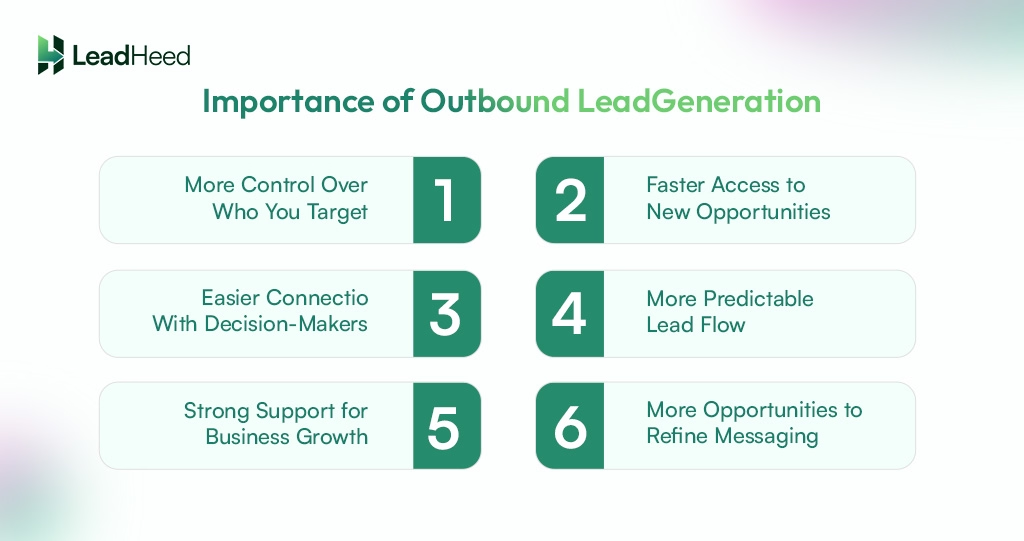
More Control Over Who You Target
In outbound lead generation, you can decide exactly who you want to reach, including the industry, job roles, company size, or location you want to target in advance. The targeted efforts make your outreach more focused and reduce the time spent on people who are unlikely to convert.
Faster Access to New Opportunities
A direct outreach approach helps businesses start conversations without waiting for prospects to discover them on their own. It speeds up pipeline growth and keeps lead generation active even during slow periods.
Easier Connection With Decision-Makers
When you build outbound campaigns around specific roles such as founders, directors, VPs, or procurement leaders, your message is more likely to reach the right person. That person usually has the authority to evaluate or approve a purchase. Connecting with decision-makers earlier can shorten the path from first contact to a real opportunity.
More Predictable Lead Flow
Because outbound is proactive, it is easier to plan and scale. You can set targets for outreach volume, response rates, meetings booked, and pipeline created. That gives you a more consistent lead flow than relying only on referrals or organic demand, which can be harder to control month to month.
Strong Support for Business Growth
Businesses that want to reach a new industry, region, or customer segment can use outbound methods to start building connections quickly. It supports market expansion by helping teams test interest and gather direct feedback from potential buyers.
More Opportunities to Refine Messaging
Outbound campaigns show businesses which messages, offers, and outreach styles get better responses from prospects. Over time, this allows you to improve your pitch, sharpen your value proposition, and communicate in a way that connects better with your audience.
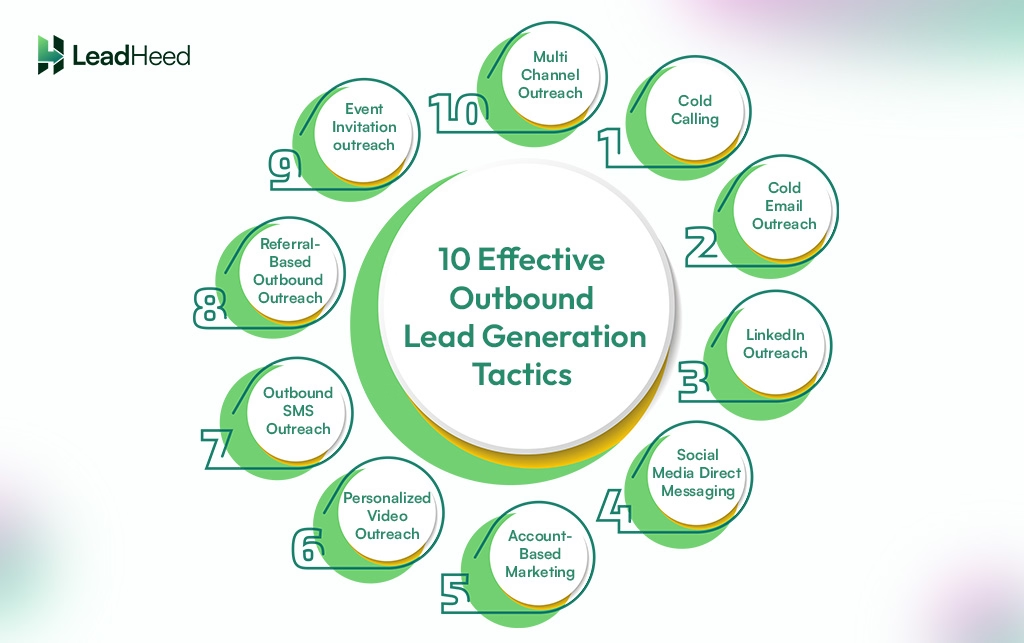
10 Proven Strategies for Outbound Lead Generation
The best Outbound lead generation results usually come from using a mix of outbound tactics that match your audience, your offer, and the way your prospects prefer to communicate. Some strategies, like cold call, SMS, or email, help you start direct conversations, while others, such as Webinar and account-based marketing, build familiarity and create interest over time.
1. Cold Calling
A phone call gives you a direct chance to speak with a prospect, understand their situation, and respond in real time. Unlike email, you do not have to wait and wonder whether they saw your message. You get immediate feedback, which helps you learn quickly about clients’ intentions.
Good cold calling should feel like a conversation, not a script-reading exercise. You need to know who you are calling, why you are calling them, when to call and what problem you might be able to solve. When you sound prepared and relevant, people are much more likely to stay on the line.
2. Cold Email Outreach
A well-written email helps you reach prospects in a way that feels professional and easy to respond to. It gives you space to introduce yourself, show that you understand their business, and explain why your message is relevant. Since people can read it when they have time, email often works well for busy decision-makers who may not answer unexpected calls.
However, be mindful that long, generic emails are easy to ignore, but a short note with clear value can start real conversations. You need a subject line that earns attention, a message that gets to the point quickly, and a reason for the prospect to care. When your outreach feels personal instead of mass-sent, you give people a much better reason to reply.
LeadHeed has built-in email management with ready-made templates that you can use and customize based on your audience, offer, or outreach goal.
Manage your emails within your CRM
Send, schedule, track, and automate emails as leads move through your pipeline. LeadHeed CRM helps your team follow up on time.
3. LinkedIn Outreach
LinkedIn gives you a more targeted way to reach people in a professional setting. You can filter people by industry, job title, company size, or department, which helps you build a more relevant outreach list. Since the platform also shows a prospect’s role, you can often connect directly with decision-makers or people who strongly influence buying decisions.
LinkedIn outreach works better when you build a little recognition first through profile views, reactions, or comments. Later, when you approach them, the person has seen your name before, so your message feels less sudden and more natural. That small sense of familiarity can make it easier to start a professional conversation.
4. Social Media Direct Messaging
Many prospects spend time on platforms such as Instagram, Facebook, LinkedIn, or WhatsApp sharing updates, following businesses, and engaging with others. That gives you a chance to learn about their business, see what they care about, and notice changes that may signal a need for your solution. As a result, your outreach can feel more relevant and less generic.
It also supports a more gradual and credible way to build interest. You can start by being visible, then move into interaction, and finally open a direct conversation when the timing feels right. The progression often makes the outreach feel smoother and more respectful.
5. Account-Based Marketing (ABM)
A long contact list may look impressive, but it does not always create better opportunities. Often, you get stronger results when you focus on a small group of companies that are a strong fit for your product or service. When you target those accounts with customized outreach tailored to their needs, you are more likely to generate promising leads.
The approach works well for higher-value deals involving more than one decision-maker. You research the company more closely, identify the right people to contact, and shape your message around their priorities, challenges, or growth plans. A message shaped around the account’s needs can make your business look more prepared, which helps you stand out.
6. Personalized Video Outreach
When prospects are ignoring crowded inboxes and routine sales messages, a 30 to 60 second video is often enough to build interest. You can use the video to mention their business, point out a relevant observation, and show a quick demo of your product. When someone sees that you recorded a message specifically for them, it shows effort and makes your outreach feel more genuine.
Furthermore, video is more memorable than a call or text alone. Even if a prospect does not engage immediately, they may remember your outreach later when they need your product or service.
7. Outbound SMS Outreach
With a higher open rate than email, SMS is a better outbound lead generation tactic for a faster and more direct way to reach prospects. It is especially useful for delivering time-sensitive information, appointment reminders, limited offers, or short introductions after an earlier interaction.
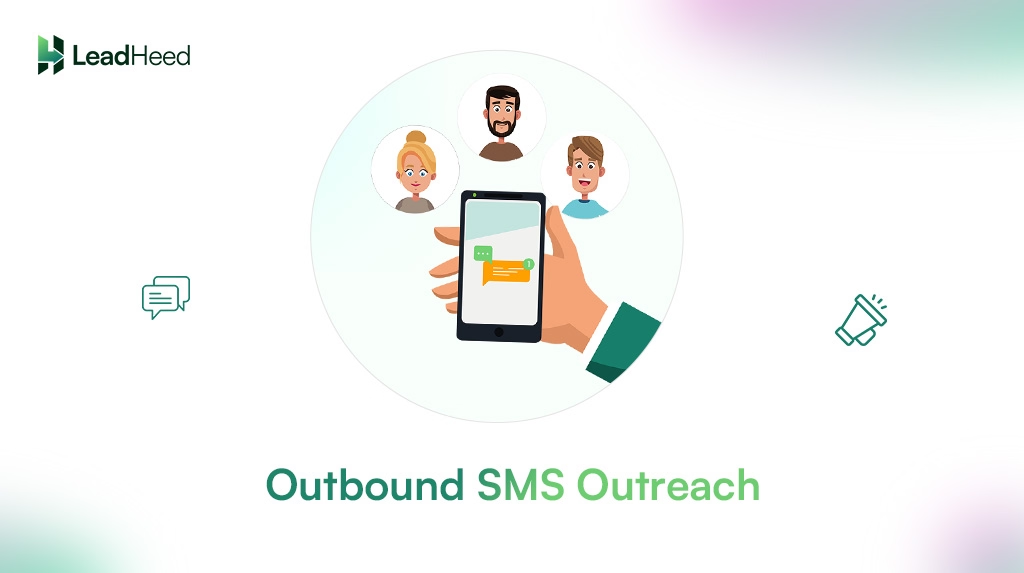
From a business point of view, SMS outreach is flexible and efficient. You can use bulk messaging to contact a large number of leads or take a more personal route with one-on-one texting to make the interaction more personal.
8. Referral-Based Outbound Outreach
Sometimes the best way to open a new conversation is through someone who already knows and trusts your work. When you ask a client, partner, or industry contact to introduce you to someone in their network, your outreach starts with more credibility. You are not approaching the prospect as a complete stranger, which can make them more open to hearing what you have to say.
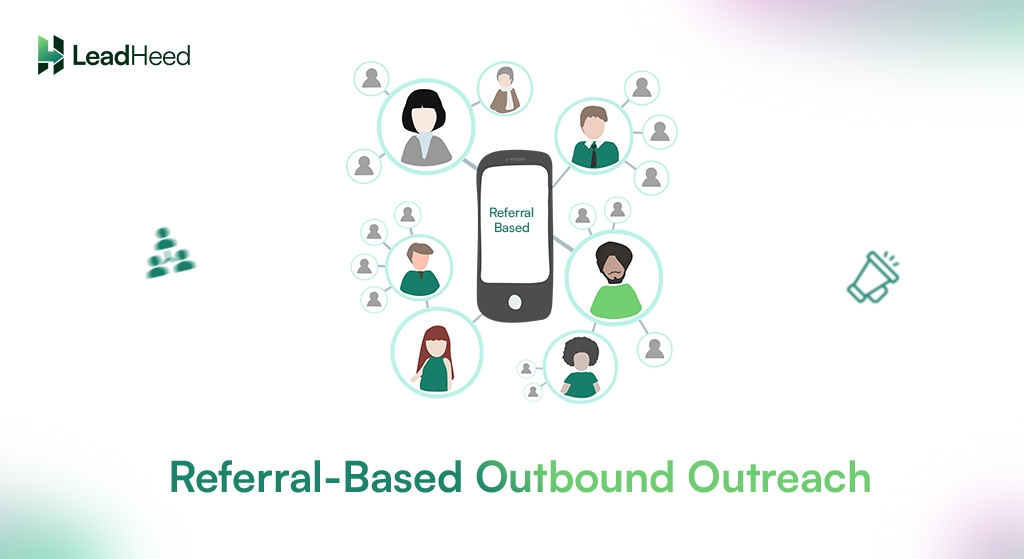
People are more open to a message when it comes through someone they know. So, it reduces the chance of resistance and helps you start from a stronger position. Still, you need to present a clear message and a relevant offer to make the opportunity worth the prospect’s attention.
9. Webinar or Event Invitation Outreach
Inviting prospects to a webinar, workshop, or small business event gives people a softer reason to engage. You are not asking them to buy right away. You are inviting them to learn something useful, which lowers pressure and helps you build credibility first.
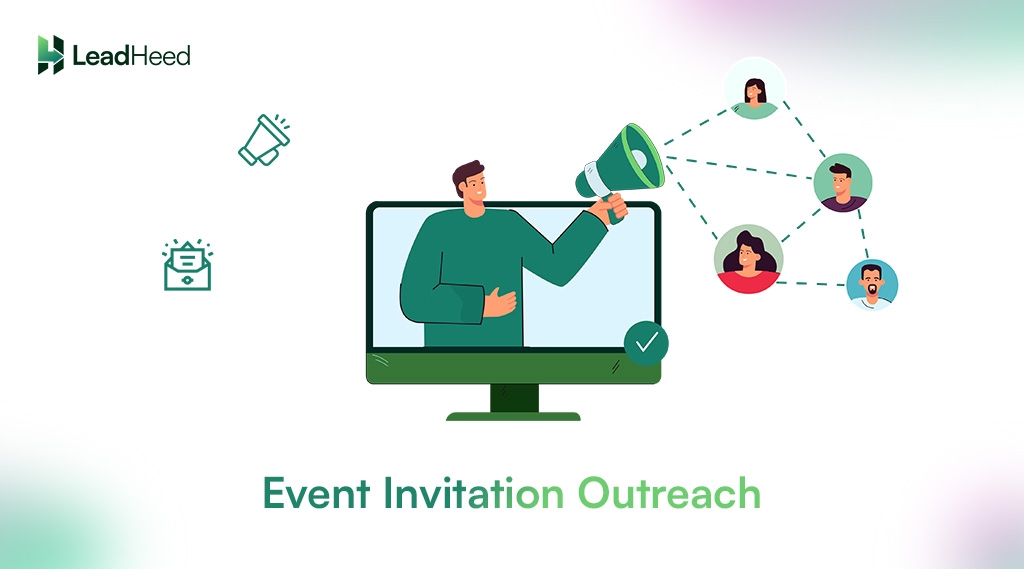
It works especially well when your offer needs explanation or when your audience values expertise. A well-chosen event topic can attract the right kind of attention and start conversations with people who are already interested in the problem you solve. After the event, you can follow up with attendees and continue the discussion in a more natural way.
With LeadHeed, you can create custom forms, along with their QR code. You can place your QR form on flyers, posters, business cards, emails, or social media posts. When people scan the code, fill in their details, and submit the form, the CRM automatically captures the lead to your list in the system.
10. Multi-Channel Outreach
Relying on only one outreach method can limit your chances of getting noticed. Some prospects respond better to email, some pay more attention to LinkedIn, and others are easier to reach through a phone call or direct message. When you use multiple channels together, you give yourself more ways to stay visible and connect with the right person.
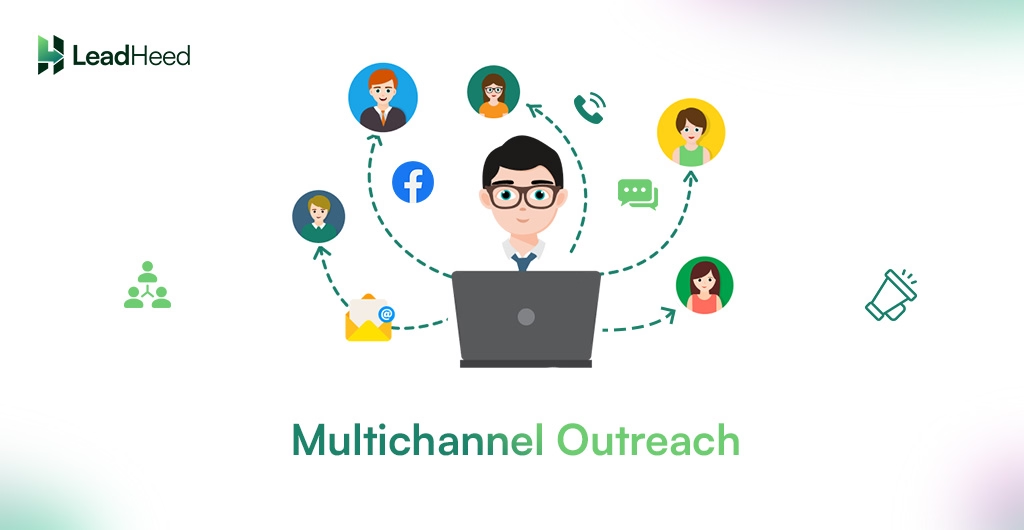
However, using the same pitch and message while interacting with potential customers in all channels makes your outreach feel repetitive, which can irritate clients. Each platform works differently, so you need to adjust your tone, timing, and message to fit the context while keeping the core intent consistent.
How Does the Outbound Lead Generation Process Work?
The outbound lead generation process starts with identifying the right prospects, researching them, and reaching out through channels such as email, phone calls, LinkedIn, or direct messages. From there, businesses follow up consistently, qualify interested leads, and move the best opportunities into the sales pipeline for further conversion.
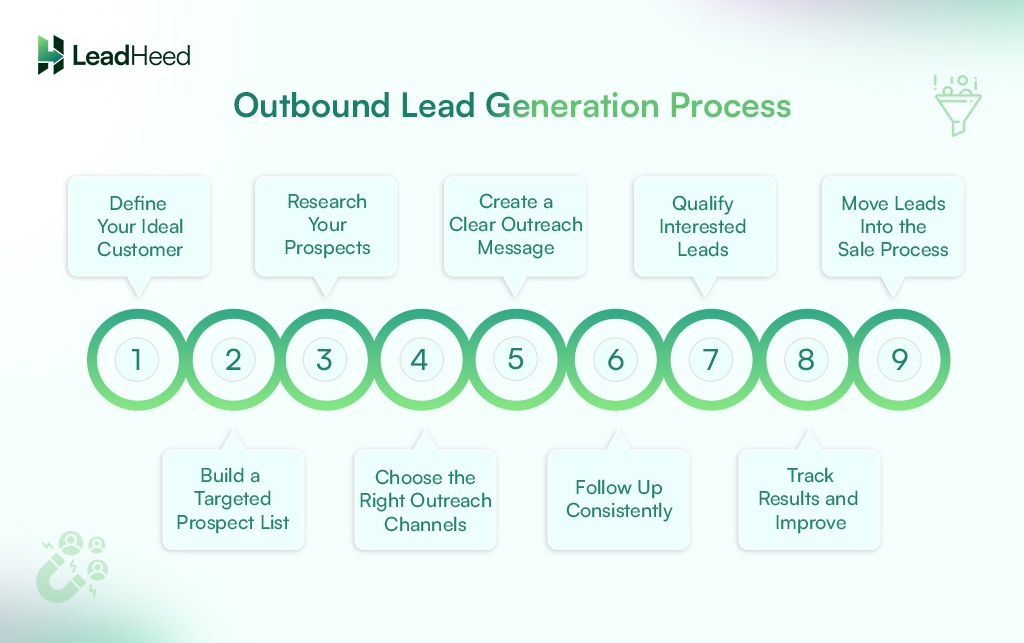
- Define Your Ideal Customer: Start by clearly identifying the type of customer you want to reach. When you define your ideal customer by industry, business size, job role, or pain point, your outreach becomes much more focused.
- Build a Targeted Prospect List: Once you know your audience, create a list of people or companies that closely match your ideal customer profile. A strong list gives you a better chance of reaching qualified prospects who are more likely to respond.
- Research Your Prospects: Before you contact anyone, take time to learn a little about their business, role, or current challenges. It makes your messages more relevant and personalized, which shows that your outreach has a real purpose.
- Choose the Right Outreach Channels: Different prospects respond better on different channels, so choose outreach channels that best fit your audience. You may use email, phone calls, LinkedIn, or direct messages, depending on your clients and offer.
- Create a Clear Outreach Message: Your message should quickly explain why you are reaching out and why the prospect should care. When your communication is short, relevant, and value-focused, it becomes easier to capture attention.
- Follow Up Consistently: Many prospects do not respond to the first message, which is why follow-up is a key part of the process. A thoughtful follow-up keeps the conversation alive and gives you more chances to get a reply.
- Qualify Interested Leads: When someone responds, review the lead carefully to see whether they are a good fit for your offer, have a real need, and show genuine interest. It helps you focus on promising opportunities and avoid spending time on poor-fit prospects.
- Move Leads Into the Sales Process: Once someone shows genuine interest, guide the lead into your sales pipeline for a deeper conversation. You can use a CRM like LeadHeed with a custom pipeline to organize leads into stages that fit your sales process. It helps you track progress clearly and move leads forward in a more structured way.
- Track Results and Improve: You should always measure how your outreach is performing so you know what is working and what needs to change. When you review reply rates, meetings booked, and conversions, you can identify the strengths and weaknesses of your outreach and improve future campaigns.
Generate Leads to Close More Deals with LeadHeed
LeadHeed gives you practical tools to capture leads and move them forward through your sales workflow with an easy-to-use CRM.
Common Outbound Lead Generation Mistakes Businesses Should Avoid
The most common mistakes in outbound lead generation usually start with weak targeting and messaging that does not speak to the prospect’s needs. Businesses also lose valuable opportunities when they stop following up too soon or fail to review results.
- Targeting the Wrong Audience: Reaching out to people who do not fit your ideal customer profile wastes time, lowers conversion rates, and reduces the overall effectiveness of your campaign.
- Using Generic Messaging: When your outreach sounds copied, broad, or impersonal, prospects are far less likely to trust it or respond.
- Using Only One Outreach Channel: If you depend on just email or just calls, you may miss prospects who are more active and responsive on other channels.
- Focusing on Selling Too Early: Starting conversation with a hard sales pitch makes your outreach feel forced and transactional. As a result, prospects may feel pressured and become less willing to engage with your business.
- Ignoring Follow-Ups: Many prospects do not reply after the first message, so failing to follow up can cause you to lose opportunities that may have turned into qualified leads later.
- Not Tracking Outreach Performance: If you do not measure replies, meetings, and conversions, you cannot clearly see what is working or where your outreach needs improvement.
- Misalignment of Sales and Marketing Efforts: When sales and marketing teams use different messaging or target different audiences, the lead generation process becomes disconnected. That gap can reduce trust, weaken conversions, and make outbound efforts less effective.
Wrapping Up
Outbound lead generation is one of the most practical ways to create sales opportunities when you want more control over who you reach and how you start the conversation. With the right outbound lead generation strategies, such as cold calling, email outreach, LinkedIn prospecting, and consistent follow-up, you can connect with prospects who are more likely to convert.
If your goal is to improve lead generation, LeadHeed gives you useful tools to capture and qualify interest more efficiently. From custom forms and website embeds to shareable links and QR-code collection, you can collect leads from different channels. Plus, with built-in analytics, you can track conversion rates, identify lead sources, and see which channels bring better-quality leads. As a result, you can make smarter decisions, focus on the best-performing channels, and keep improving your outbound efforts. Sign up for LeadHeed for free!
Frequently Asked Questions (FAQs)
Does Outbound Lead Generation Only Work for B2B Businesses?
Beyond B2B businesses, outbound lead generation also works for B2C businesses when they sell high-value products or services and need a more direct way to reach potential customers.
Can Businesses Combine Outbound Lead Generation With Inbound Marketing?
Yes, businesses can combine outbound lead generation with inbound marketing to create a more balanced and effective growth strategy. While inbound helps attract interested prospects, outbound allows you to reach targeted audiences directly and create opportunities faster.
How Soon Can Outbound Lead Generation Deliver Results?
Outbound lead generation can show early results like opens, replies, or calls within a few days, but stronger results like qualified leads or meetings usually take a few weeks of regular outreach. The timeline depends on your targeting, message quality, follow-up process, and how quickly your prospects make buying decisions.
What tools do businesses use for outbound lead generation?
Many businesses rely on CRM platforms, email automation tools, prospect research tools, phone systems, and reporting dashboards for outbound lead generation. Together, these tools make it easier to find leads, contact them, and measure campaign performance.