


Finding mortgage leads is more competitive than ever. While strategies like cold calling, referral networking, paid advertising, and online lead platforms can still bring in business, most loan officers and mortgage companies are relying on the same crowded channels. As a result, it becomes harder to stand out and consistently attract high-quality borrowers.
The good news is that strong lead generation does not always require a huge budget or complicated marketing system. Sometimes, the most effective strategies are the ones others ignore. From local partnerships to smarter follow-up opportunities, there are several underrated ways to attract qualified mortgage leads and turn more conversations into closed loans.
Highlights
- Mortgage lead generation helps lenders attract potential borrowers, capture their contact details, and build a steady pipeline of people interested in home loans or refinancing.
- Lenders can generate quality mortgage leads through strategies such as SEO, content marketing, social media, partnerships, referrals, guest blogging, and listing-site visibility.
- Building trust and staying visible across multiple channels increases the chances of reaching borrowers early in their homebuying journey.
- Managing inquiries and follow-ups through a CRM helps lenders organize leads, nurture prospects, and convert more opportunities into closed loans.
What is Mortgage Lead Generation?
Mortgage lead generation is the strategic process of identifying and attracting potential homebuyers or homeowners who are interested in obtaining a loan to purchase or refinance a property. It helps lenders find potential borrowers and collect their contact information so they can start a conversation.
The mortgage lead generation usually happens through channels like search engines, social media, blog content, landing pages, online forms, and referrals. Once someone shares their details or shows clear interest, they become a lead that can be followed up through calls, emails, or messages. In the end, mortgage lead generation helps lenders create a steady pipeline of potential borrowers and improve their chances of closing more loans.
10 Best Mortgage Lead Generation Ideas
Mortgage lenders can generate qualified leads by ranking for local home loan searches, running targeted Google Ads, and using fast, mobile-friendly landing pages that capture pre-approval and rate quote requests. The most effective strategy is to pair this with referral partnerships, then nurture every inquiry through email, SMS, and CRM follow-up to increase application rates.
1. Optimize Your Website
Your website is often the first thing a potential borrower sees about your business. If it feels outdated, slow, or hard to use, they may leave and look elsewhere. A clean and simple website helps people trust you and understand what you offer. You can also add helpful tools like a mortgage calculator or simple loan information to make things easier for them.
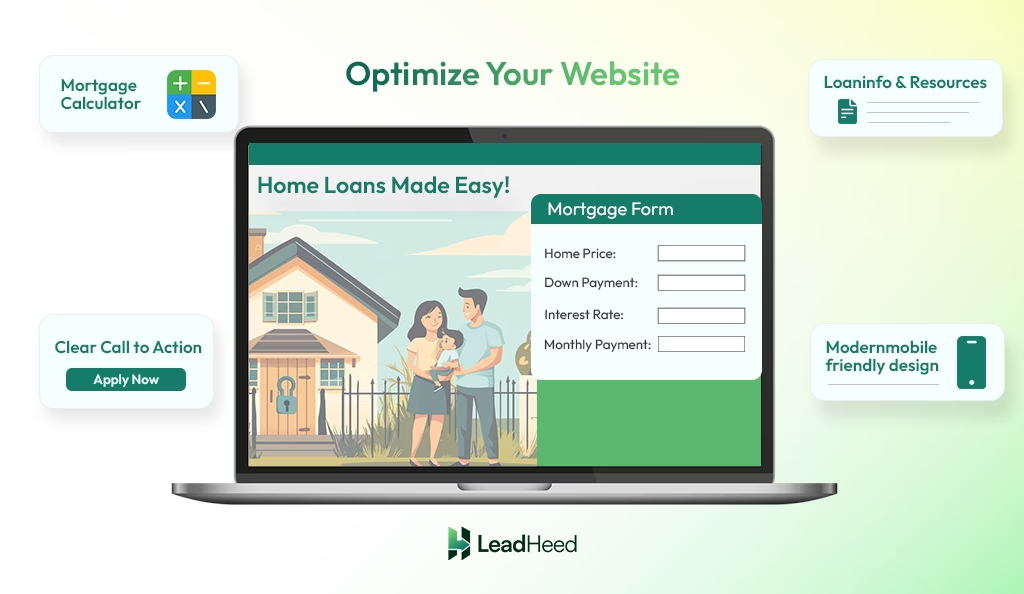
Additionally, instead of a generic homepage, create dedicated landing pages for specific borrower needs, such as VA loans, FHA loans, refinancing, or first-time homebuyer programs. It makes the experience more relevant and helps users find the information they need more quickly. Your site should also load quickly, work well on mobile devices, and make the next step easy to take.
2. Implement Content Marketing
Many borrowers start searching for mortgage information before they are ready to speak with a lender. They want clear answers to basic questions, and they usually look online first. Content marketing gives you the chance to reach them during that early stage. When you publish useful blogs, guides, and simple advice, you give people a reason to trust your business and come back when they are ready.

You can write about common concerns like “How to fix your credit for a lower rate”, “Understanding loan options”, or “How to prepare for the homebuying process.” You can publish articles on major news platforms like Medium and Substack to reach a wider audience. The more helpful and consistent your content is, the more likely potential borrowers are to remember you and contact you later.
3. Establish a Google Business Profile
Modern borrowers often find key details like your phone number, office hours, location and credibility directly on Google without visiting your website. That is why registering and setting up a Google Business Profile is important nowadays. It helps your business appear in local search results when local borrowers search for terms like “mortgage lenders near me.”
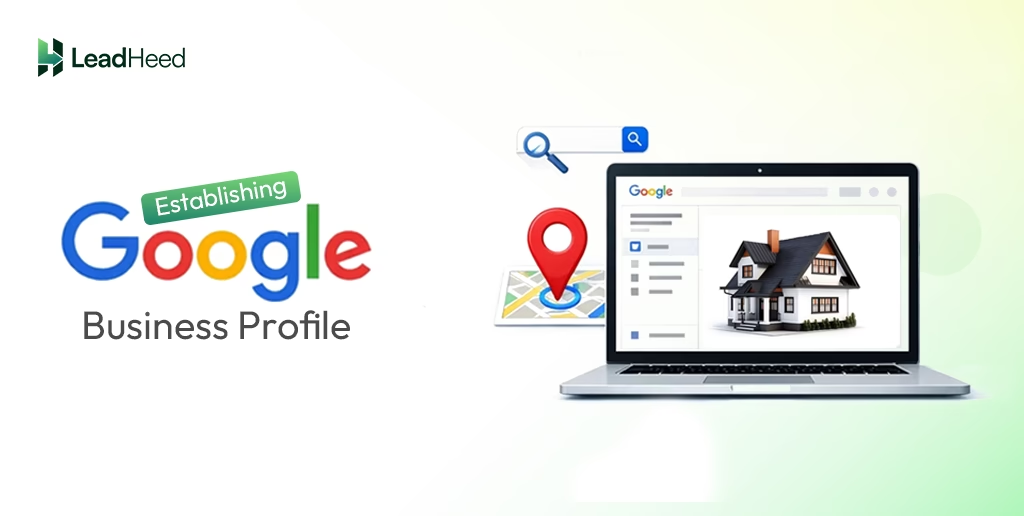
Moreover, a complete and updated profile gives potential borrowers a quick way to view your location on Google Maps and learn more about your business. It also makes it easier for satisfied clients to leave feedback. When you consistently collect 5-star reviews from happy homeowners, you build the “social proof” which signals Google that you are a trustworthy, active lender.
4. Leverage Social Media Marketing
Social media helps lenders stay visible in a more direct and personal way. Potential borrowers may not be ready to fill out a form today, but they may still notice your content as they scroll through Facebook, LinkedIn, Instagram, or YouTube. When you regularly share helpful updates and simple mortgage tips, people become more familiar with your business and start to trust you more.

A strong social media strategy usually includes a mix of organic content, paid campaigns, and local partnerships.
- Organic posts — help you build trust over time through regular tips, market updates, and borrower education.
- Paid campaigns — help you reach specific audiences based on location, interests, or major life events that may signal housing needs.
- Influencer marketing — collaborate with trusted local voices such as real estate agents, home inspectors, or community experts who already have the attention of potential buyers.
Together, these efforts can help you attract more relevant mortgage leads and create stronger local visibility.
5. Capture Mortgage Leads at the Source
Many homebuyers begin their search on property listing websites such as Zillow, Realtor.com, and Redfin. They often spend weeks exploring listings, comparing neighborhoods, and saving homes before they seriously look into mortgage options. It makes those platforms an important place to reach buyers early, while they are still researching and forming preferences.
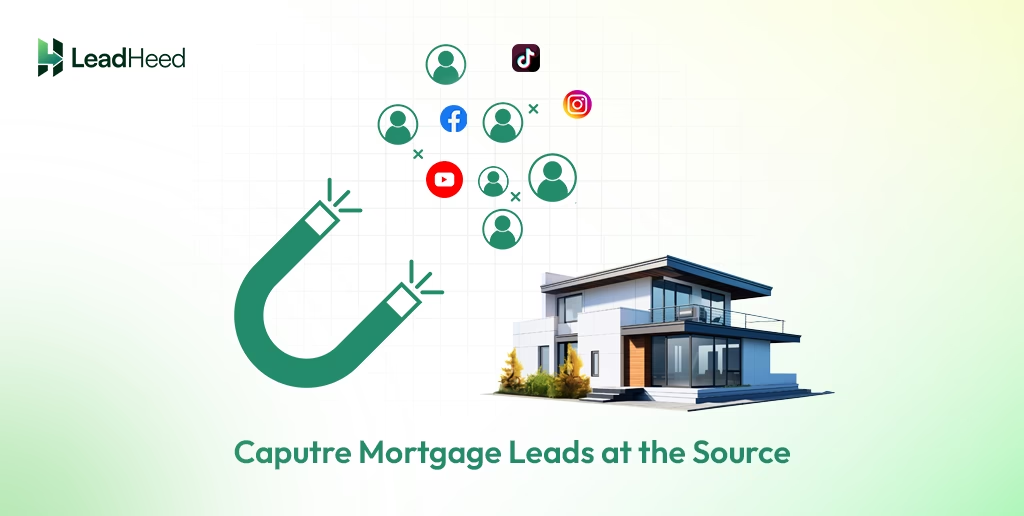
If your business can appear in front of them during that stage, you have a better chance of staying top of mind when they are ready to speak with a lender. Seeing the same lender name again and again while browsing listings can create familiarity and trust. Later, when the buyer decides to apply for a mortgage, that lender often feels more recognizable and more reliable than others they have not seen before.
6. Build Partnerships
Professionals like real estate agents, financial advisors, accountants, and local builders often work with people who may need a mortgage soon. Building relationships with these professionals can help you reach potential borrowers earlier in their decision-making process. Since they already have the trust of their clients, a referral from them can carry more value than a cold introduction.

A good partnership starts with consistency. Reach out, explain how you can support their clients, and make it easy for them to refer people to you when the opportunity comes up. You can share simple brochures, service details, or contact information that they can pass along. As the relationship becomes stronger, your name becomes more familiar and easier to recommend.
7. Get Referrals from Your Circle
One of the easiest places to find new mortgage leads is within the network you already have. Past clients, friends, family members, and business contacts can all help spread the word about your services. Since these referrals come from trusted people, they often lead to better conversations and more serious borrowers.

What matters most is staying connected. A few thoughtful follow-ups and regular check-ins can remind people that you are still available to help. When someone in their circle mentions buying a home or refinancing, your name is more likely to come up naturally.
8. Invite Guest Bloggers
Inviting guest bloggers, such as real estate agents, financial planners, or local builders, to write posts for your website helps you boost your search rankings and attract new visitors.
When these experts publish a blog on your website, they naturally share it with their own audience: their email lists, social media followers, and clients. This attracts new, interested visitors to your site to read the post and learn about your services, without you paying for ads.

Over time, the guest authors remember you as a reliable partner and send you referrals when their clients need financing. This approach creates warm, high-intent leads who are already in the middle of buying or refinancing, making conversions much easier.
9. Use Your CRM to Nurture Past Clients
Not every borrower is ready to move forward the first time they contact you. Some may wait months before buying a home, while others may come back later for refinancing or a new loan. A CRM helps you keep all their details, past conversations, and follow-up notes in one place so you can stay organized and not lose track of them.
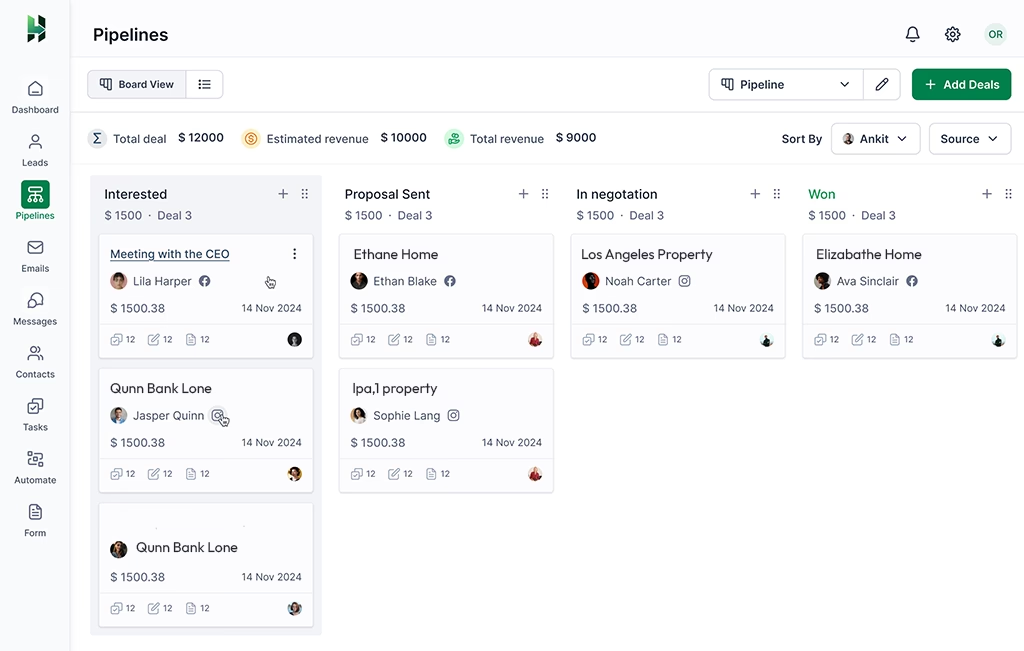
You can also segment your database with tags (e.g., “starter home buyer” or “ready for bigger home”) and send targeted messages. Furthermore, your CRM notifies you when a client lists their property, so you can offer help with their next purchase. These features help you generate more repeat business and referrals over time.
10. Use Multiple Listing Service (MLS)
The MLS is a database that real estate agents use to manage and share property listings. It shows which homes are newly listed, under contract, back on the market, expired, or recently sold. Even if lenders do not use it directly, MLS data can still help them understand where homebuying activity is happening and where people may soon need a mortgage.
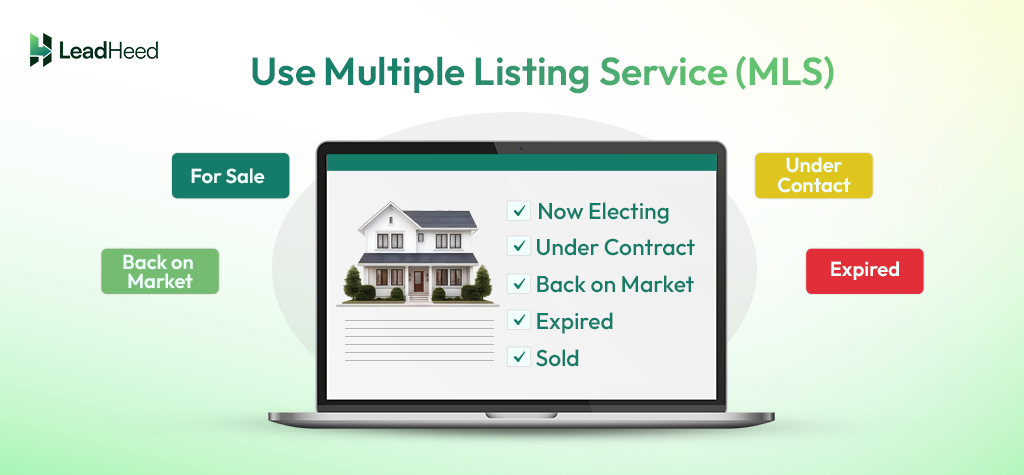
By following MLS activity, you can market your services in a smarter way. For example, when new homes are listed in a certain area, you can connect with local agents, offer quick pre-approvals, and stay visible to serious buyers. You can also use this information to plan local ads, mailers, or outreach in places where demand is already strong.
Conclusion
Mortgage lead generation works best when you stop relying on one channel and start building a full system. Your website builds confidence, content answers questions, Google reviews prove credibility, and partnerships introduce you to warm buyers.
Managing those leads effectively is just as important as generating them. LeadHeed, all-in-one CRM software, helps mortgage lenders capture inquiries, organize borrower details, and track every conversation in one place.
With a clear pipeline and automated reminders, it becomes easier to respond on time, stay organized, and move more leads toward loan applications. Sign up for free!!
Frequently Asked Questions (FAQs)
How to generate mortgage leads online?
You generate mortgage leads online by creating helpful content and optimizing your website for search engines. You can also capture leads by offering helpful tools like mortgage calculators, running Google or Facebook ads.
Why should mortgage brokers work with financial planners?
Mortgage brokers should work with financial planners because planners often advise clients who are preparing to buy property or refinance, making them a valuable source of qualified referrals. Working together also helps clients get better support with both money planning and mortgage decisions.
Where do mortgage brokers get leads?
Brokers generally get leads from three main sources:
- Organic: Search engines and social media
- Referrals: Past clients and professional partners like Realtors
- Paid: Buying leads from vendors or running their own ad campaigns
What is the best way to get mortgage leads?
The best way to get mortgage leads is to build a strong referral network with real estate agents and past clients, while sharing helpful content online and appearing in local search results.
Should I buy mortgage leads?
Buying mortgage leads can work if you have a fast response system and a strong follow-up process. However, they require a significant budget conversion at lower rates than referrals or organic leads.