
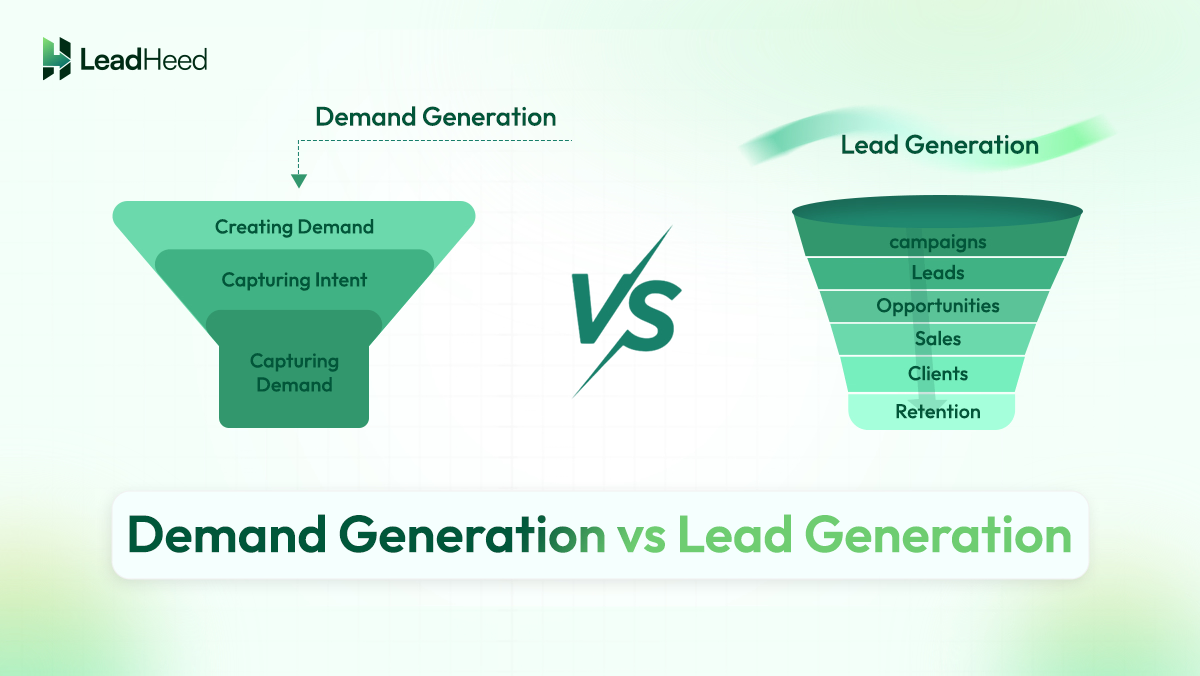
Demand generation and lead generation work as a connected system to gain customers, grow faster, and build trust. They may often appear in the same marketing plan, but focus on different stages of the buyer journey. When teams mix them up, they may get high traffic with low conversions or many leads with low intent. It leads to mixed results and unclear priorities.
Demand generation builds interest by increasing awareness and guiding prospects through education and trust-building, while lead generation captures that interest by collecting contact details through sign-ups or demo requests. Understanding the difference between demand generation vs. lead generation helps marketing teams plan campaigns with clearer goals and better outcomes.
Highlights
- Demand generation in marketing is the process of providing information and educating people about your product before they are ready to take action.
- Lead generation is the process of capturing contact details of interested prospects and converting them into buyers.
- The best approach depends on your goals and buyer readiness, but most businesses succeed by using both together.
- Demand generation makes lead generation more effective by warming prospects, improving lead quality, and boosting conversions through stronger trust.
Understanding Demand Generation in Marketing
Demand generation is a long-term marketing approach that focuses on building awareness, interest, and trust before a prospect is ready to buy. It focuses on educating the audience using trust-building channels like blog content, SEO, social media, email newsletters, webinars, events, and case studies. The goal here is to help the right audience understand a problem, recognize why it matters, and see your solution as a strong option.
Demand generation has answers for the following questions:
- What is the problem?
- Why does the problem matter?
- How can it be solved?
Why Demand Generation in Marketing Matters?
By educating the people and addressing their needs, demand generation helps in building long term brand awareness, trust, and a consistent, high-quality sales pipeline. It also helps your brand stand out in a competitive market and supports sustainable growth.
1. Brand Visibility
Demand generation repeatedly shows your brand on search engines, social media, and other platforms. As prospects see your content consistently, they start recognizing your name and understanding what you offer. It keeps your brand top of mind until they are ready to take the next step.
2. High Quality Lead Generation
When you educate your audience and solve real problems, you attract high-fit prospects who are genuinely interested in your product. These leads show stronger intent and are more ready to talk, so your team spends less time qualifying and more time closing.
3. Builds Trust and Credibility
When you consistently share useful, educational and non-salesy content such as product information or guides, visitors begin to see you as a reliable source. It makes them more confident to engage with you when they are ready.
4. Better Market Understanding
By tracking what content people engage with, what questions they ask, and what topics drive interest, you gain insight into customer pain points and buying behavior. It provides a better understanding of the target market’s needs, which can be implemented as an improvement in products and services.
What is Lead Generation?
Lead generation is the process of attracting potential customers and collecting their contact information so you can follow up with them. A person becomes a lead when they share details like their name, email address, phone number, or company through a form, sign-up or inquiry. Lead generation helps businesses start direct conversations with leads and guide them towards buying.
The lead generation process includes awareness and discovery, engagement, call to action and capturing leads.
Key stages of lead generation:
1. Awareness and Discovery
The prospect first finds your brand. They may see a social post, Google search result, ad, referral, or a mention in a community. The goal is to get in front of the right audience and make them aware of the problem you solve and the value you offer.
2. Engagement
The prospect then spends more time learning and evaluating your brand. They may read a blog, watch a video, browse your feature pages, compare options, or join a webinar. They want a clear answer and proof before moving forward.
3. Call to action (CTA)
If people find your content helpful, they look for the next step to interact with you. CTA gives them that direction by telling them exactly what to do next, such as download a guide, request a demo, start a free trial, or get a quote.
4. Lead Capture
Finally, the prospect shares their details, such as name, email, phone number, or company, through a form or sign-up. This is where they officially become a lead because your business can now follow up directly.
Types of Lead Generation
There are different types of lead generation techniques used by businesses today. Some of them are listed below:
I. Inbound Lead Generation
Inbound lead generation is a pull marketing strategy attracting prospects towards a business via content, SEO, social media, and valuable resources like e-books and webinars. An inbound lead is a person who self identifies the interest by visiting your website, content, or joining your community. They know that they have a proper idea about their problem, and you have the solution.
II. Outbound Lead Generation
Outbound lead generation is the bold process of initiating contact with customers who were previously not in contact with the brand and its products. It is executed typically via calls, SMS, email, and messages on social media like LinkedIn, Facebook, etc.
III. Paid Lead Generation
Paid lead generation uses paid channels, such as social media ads or Google ads, to run targeted advertisements and attract leads. Here, you typically pay only for the number of clicks or calls you get. These campaigns are capable of increasing sales with measurable and immediate traffic.
IV. Referral Lead Generation
Referral lead generation happens when satisfied customers recommend your product to friends, colleagues, or other businesses who may need it. Since existing customers help promote your product, it’s usually a low-cost way to acquire leads. These leads often show higher conversion rates due to built-in trust.
Difference Between Lead Generation and Demand Generation
Demand generation creates long-term brand awareness and interest in prospects before they’re ready to buy, while lead generation captures the contact details of interested prospects for immediate follow-up.
Here are some other differences between demand generation and lead generation:
| Aspects | Lead Generation | Demand Generation |
| Goal | Capture contact details and drive action | Build awareness, interest, and trust |
| Main focus | Conversions, forms, sign-ups, demo requests | Education, credibility, brand recall |
| Marketing | Uses outbound marketing and gated content. | Uses inbound marketing and also provides free education. |
| Funnel activity | Lies from the middle to the bottom of the funnel activity. | Lies at the top of the funnel activity |
| Content type | Uses gated content behind forms like whitepapers and free product demos. | Uses ungated and freely available content like blogposts, podcasts, and social media. |
| Outcomes | More leads, more inquiries, more sales conversations | More branded searches, returning visitors, and higher intent |
| Timeline | Short-term results (when targeting is right) | Longer-term impact |
Demand Generation vs Lead Generation: Which is better?
The choice between demand generation vs lead generation depends on your goal, your buyer journey, and where your business is today. Demand generation is a better focus when your audience is not fully aware of the problem, your market feels crowded, or your leads lack quality, while lead generation focuses on short-term capturing the interest to create sales opportunities.
Choose demand generation if:
- You are launching a new category or building a new brand from scratch
- Your sales cycles are long, and trust plays a big role
- You have sufficient time to build brand credibility
- You want long-term, sustainable growth of your brand
Choose lead generation if:
- People are already searching for your solution category
- You have clear offers (demo, trial, quote) that convert
- Your sales team can follow up quickly
- You want measurable short-term results
How Demand Generation Supports Lead Generation?
Demand and Lead generation are complementary and interdependent strategies. Demand generation creates awareness and interest through helpful content and consistent messaging. Lead generation then captures that warmed-up interest, resulting in better lead quality and higher conversion rates.
- Build Brand Awareness and Authority: Demand generation builds awareness and trust before you ask for a form fill. When people already know your brand and understand the value, they are more likely to click, sign up, and reply.
- Improves Lead Quality: Demand generation attracts prospects who already understand the problem and see value in your solution. These leads are more relevant, ask better questions, and usually move faster through the funnel, which strengthens your results in Demand Generation vs Lead Generation.
- Reduces Cost and Friction: When people trust your brand before they land on a form, they convert more easily. This improves landing page performance, increases ad efficiency, and helps Lead generation marketing generate results without constantly increasing the budget.
- Strengthens Follow-up and Nurturing: Demand generation gives you context about what prospects care about based on the content they engaged with. This helps you personalize outreach, address objections early, and guide leads toward the next step more smoothly.
Conclusion
Demand Generation vs Lead Generation is not a choice between two competing strategies, but a decision about timing and purpose. Demand generation builds awareness and trust so people understand your value, while lead generation captures interested prospects by collecting their contact details. When you use both in the right order, you attract better leads, improve conversions, and build steady growth.
To run both strategies smoothly, you also need a system that keeps every inquiry organized and every follow-up consistent. LeadHeed, all-in-one CRM software, helps you manage every lead from the moment they show interest. It centralizes messages and emails, keeps lead contacts organized, and helps you move leads through a sales pipeline with clear stages. Plus, its automation helps you stay consistent with follow-ups so you can convert more leads without extra manual work. Start Leadheed free trial today!
Frequently Asked Questions
In the marketing funnel, which one comes first: demand generation or lead generation?
Demand generation typically comes earlier because it increases awareness and preference. Lead generation follows later when prospects are ready to engage and provide their contact details.
What metrics should you track for demand and lead generation?
Demand gen educates and awakens prospects and generates interest in your brands or products, whereas lead gen captures buyer intent and turns the interest into applicable leads.
What is the biggest mistake marketers make?
Marketers focus on lead generation only without building awareness among people and creating demand, which results in low-quality leads.
Is demand gen good for lead generation?
Yes, Lead generation is driven by demand generation to move through the sales funnel. Demand generation educates the prospect about the brand, and lead generation converts the interested ones into sales-ready customers.