
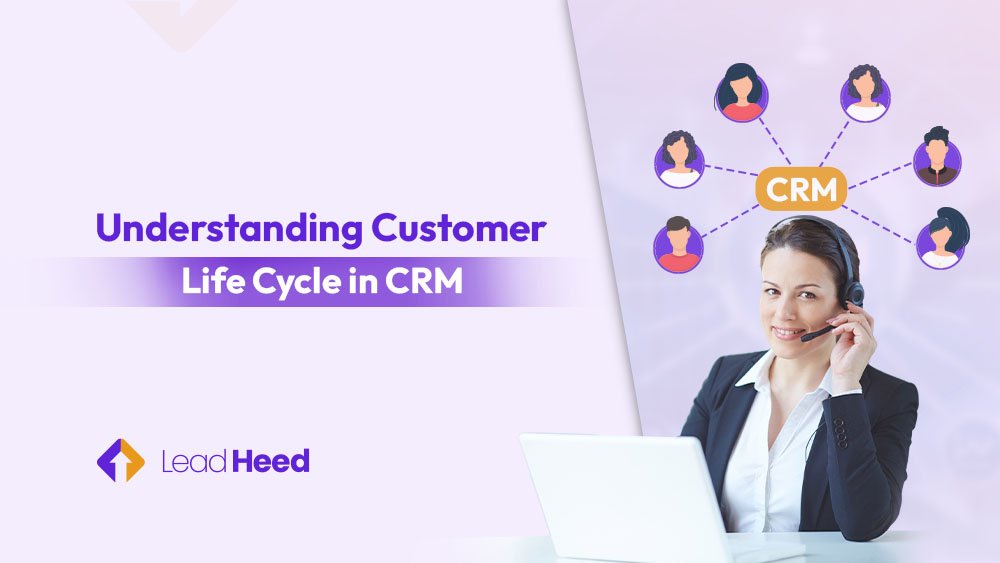
Every customer goes through a journey, but not every business knows how to guide it. Many companies focus on winning new leads but overlook what happens after the first sale. That’s where understanding the customer life cycle in CRM becomes crucial. Without it, businesses risk losing valuable customers, missing follow-ups, and weakening relationships.
A well-managed CRM customer life cycle helps you map every stage from awareness to loyalty. So you can deliver the right experience at the right time. In this blog, we’ll break down the CRM customer life cycle and explain how it helps you build stronger, lasting connections that boost profits.
What is the Customer Life Cycle in CRM?
The customer life cycle in CRM is the journey a customer takes with your business—from first hearing about you to becoming a loyal supporter. Understanding this cycle helps you build better relationships, keep customers happy, and grow your business over time.
The main stages of the customer life cycle are:
- Awareness
- Engagement / Acquisition
- Conversion
- Retention
- Loyalty / Advocacy
The journey isn’t always linear—customers can move back and forth between stages. A CRM helps you track their path and see how they interact with your business. Additionally, it helps you understand what influences customers’ decisions and engage them at the right moment.
Why is the Customer Life Cycle Important in CRM?
The customer life cycle is crucial in Customer Relationship Management (CRM) because it gives businesses a clear view of how customers interact with their brand at every stage. By understanding this journey, your businesses connect better, plan smarter, and deliver the right experiences at the right time. Here’s how it makes a real difference:
- The customer life cycle gives you a clear picture of how customers interact with your brand from their first visit to becoming repeat buyers.
- It helps marketing, sales, and support teams work together with clear goals, ensuring everyone is aligned.
- By understanding the cycle, you can deliver the right messages and content to customers exactly when they need it.
- It allows you to spot gaps or weak points in the customer journey and improve experiences quickly.
- Therefore, it helps turn one-time buyers into loyal customers who keep coming back and advocating for your brand.
Stages of the Customer Life Cycle in CRM
The key stages of the customer life cycle are Awareness, Consideration, Acquisition, Retention, and Loyalty & Advocacy. At each stage, a CRM helps you keep track of customers, communicate personally, and build stronger, lasting relationships.
1. Awareness
The awareness stage is where potential customers first come across your brand, mostly through ads, social media, online searches, or word of mouth. This is your chance to make a strong first impression.
A CRM helps by tracking where these leads are coming from and what campaigns attract them most. With this data, you can focus on the right channels and deliver more targeted messages that catch attention and spark curiosity about your offerings.
2. Consideration
Once customers know about your brand, they start exploring whether your product or service meets their needs. They compare options, read reviews, and research your reputation.
Here, a CRM system plays a key role by helping you nurture these leads through personalized emails, follow-ups, and educational content. You can track what information they interact with, so your sales and marketing teams can engage them with relevant offers and solutions.
3. Acquisition
This is the stage where interest turns into action, and customers decide to make a purchase or sign up for your service. It’s where conversions happen.
With CRM tools, you can simplify the buying process, ensure smooth communication, and automate tasks like quotes, invoices, and order confirmations. This creates a positive buying experience and increases the chances of repeat business right from the start.
4. Retention
Customer retention is just as important as acquiring new ones. Once a customer has purchased, your goal is to keep them happy and engaged.
A CRM system helps you monitor purchase history, send personalized offers, and follow up after sales. It can remind you to check in regularly and address customer concerns quickly. By showing that you value their relationship, you encourage them to stay loyal and return for more.
5. Loyalty & Advocacy
When customers consistently enjoy positive experiences, they naturally evolve into brand advocates. They recommend your business to others, leave great reviews, and share their experiences online.
A CRM helps maintain these long-term relationships by rewarding loyal customers with exclusive offers, loyalty programs, or personalized appreciation messages. This turns happy customers into promoters who help attract new leads, continuing the cycle all over again.
To learn more about how CRMs can boost customer loyalty, check out our guide on CRM loyalty programs.
How CRM Enhances Each Stage of the Customer Life Cycle?
CRM software like LeadHeed enhances every stage of the customer journey by streamlining communication and personalizing engagement. From awareness to loyalty, a CRM helps you track their journey, stay connected, and build strong relationships. It brings sales, marketing, and support teams together so every interaction feels personal and timely.
Here’s how CRM enhances each stage of the customer life cycle:
- Attracts and acquires new customers: CRM helps you capture and manage leads efficiently. It tracks how people find your business and helps you create targeted campaigns that attract the right audience.
- Nurtures leads and drives conversions: By storing all customer information in one place, CRM enables your team to follow up with leads at the right time, share relevant offers, and convert them into paying customers without missing a beat.
- Retains existing customers: CRM makes it easier to stay connected after a purchase. It helps you track order history, send personalized offers, resolve issues quickly, and keep customers satisfied so they return again.
- Encourages loyalty and advocacy: With insights into customer preferences and engagement, CRM lets you reward loyal customers, upsell or cross-sell products, and encourage positive reviews. This turns happy customers into brand ambassadors who help grow your business.
Best Practices for Managing Customer Life Cycle in CRM
Managing the customer life cycle in CRM is key to keeping customers happy and growing your business. Key practices include centralizing customer data, segmenting customers, and automating workflows, measuring KPIs, and refining strategies.
Following these steps ensures every interaction is meaningful, timely, and helps guide customers smoothly from awareness to loyalty.
1. Centralizing Customer Data
One of the best practices for managing customer life cycle in CRM is keeping all customer information in one place. This helps your sales, support, and marketing teams access the same data, avoid confusion, and provide timely, personalized service. A unified view of each customer makes interactions smoother and more meaningful.
2. Segmenting Customers Based on Behavior and Stage
Not all customers are the same. You should group them by their actions, preferences, or where they are in the lifecycle. This segmentation allows you to send relevant offers, messages, or updates that truly resonate and move them along their journey.
3. Automating Workflows and Follow-Ups
Automation saves time and ensures no customer is forgotten. You can set up reminders, follow-up emails, and task assignments so your team can engage customers consistently. This also keeps customers feeling valued and supported.
4. Measuring KPIs for Each Stage
You should keep track of important metrics like conversion rates, retention rates, and customer satisfaction at every stage. By monitoring these KPIs, you can spot gaps, identify opportunities, and make data-driven decisions to improve the customer experience.
5. Continuously Refining Strategies Based on CRM Insights
Use the data your CRM provides to constantly improve your approach. You can adjust campaigns, personalize communications, and enhance processes based on what’s working and what isn’t.This continuous refinement keeps your customer lifecycle smooth and your relationships strong.
By following these best practices, businesses create a seamless, engaging experience for customers, turning first-time buyers into loyal advocates. A smart CRM strategy ensures every interaction counts and helps you grow stronger, lasting relationships.
Conclusion
Understanding and managing the customer life cycle in CRM is crucial for building strong, long-term relationships with your customers. By tracking each stage—from awareness to loyalty—businesses can provide personalized experiences that increase satisfaction, drive conversions, and promote customer retention.
With the right CRM, like LeadHeed, you can streamline communication, ensure every interaction is meaningful, and effectively manage customer relationships. Whether you’re nurturing leads or fostering customer loyalty, having a powerful CRM system helps you stay connected and grow your business.
Ready to optimize your customer life cycle and boost your business? Start using LeadHeed today and see how enhancing customer relationships can drive your success!
FAQs
What are the stages of the customer life cycle in CRM?
The customer life cycle in CRM includes five stages: Awareness, Consideration, Acquisition, Retention, and Loyalty & Advocacy. It tracks the journey from when a customer first hears about your brand to when they become a loyal fan who keeps coming back.
Why is the customer life cycle important in CRM?
The customer life cycle helps you understand how customers interact with your brand. It lets you send the right messages at the right time and turn first-time buyers into loyal customers who stick around.
How does CRM improve customer retention?
CRM helps you keep customers by sending them personalized offers, following up with them, and solving any issues quickly. It makes customers feel valued, which keeps them coming back.
Can CRM track every stage of the customer journey?
Yes! CRM tracks every part of the customer journey, from discovering your brand to becoming a loyal customer. It helps you stay on top of interactions and engage with customers at the right moments.