


What if the real reason you’re losing deals isn’t a lack of leads, but poor organization?
Generating leads is important, but managing them properly is what drives results. When lead information is scattered across emails, spreadsheets, and messages, follow-ups get delayed, and opportunities are missed. Teams spend time searching for details instead of moving leads forward.
Organizing sales leads in one place helps teams respond faster, track conversations, and move prospects through the pipeline with clarity. When data is centralized, it becomes easier to nurture interest, spot ready buyers, and even improve efforts to capture leads organically by understanding what works best.
Highlights
- Organizing leads helps sales teams follow up on time, focus on high-value prospects, and build a smoother process that drives consistent revenue growth.
- Using a clear system with defined stages, actions, and ownership keeps all leads in one place and makes it easier to manage, prioritize, and convert them.
- Avoiding scattered data, missing next actions, and outdated records is essential to prevent missed leads and slow follow-ups.
- LeadHeed CRM centralizes your leads, actions, and conversations so your team can stay organized, follow up faster, and convert more prospects.
Why Organizing Leads is Essential for Sales Growth?
Organizing leads helps your team follow up at the right time and focus on the right prospects. As a result, teams close more deals, build better customer relationships, and create steady, long-term revenue growth.
1. Improved Team Clarity and Accountability
When leads are properly organized, it’s always clear who is responsible for what. Each sales rep knows which leads they own and what action comes next. This prevents overlap, missed follow-ups, and internal confusion, helping the team work together more efficiently.
2. Better Communication With Every Lead
An organized lead system keeps emails, calls, notes, and interactions connected to each lead. Instead of searching through inboxes or multiple tools, your team can see the full conversation history in one view. This makes communication more personal and responses more relevant.
3. Smarter Focus on High-Value Prospects
Organized leads allow you to quickly identify which prospects need attention right now. By grouping leads based on interest, source, or stage, sales teams can prioritize outreach and spend time on opportunities that are more likely to convert.
4. Reduced Manual Work and Faster Follow-Ups
When lead data is structured, repetitive tasks like reminders, follow-ups, and status updates become easier to manage or automate. This reduces admin work and gives sales teams more time to focus on selling instead of managing spreadsheets.
5. Higher Conversions From Existing Leads
A clean and organized lead list helps you nurture prospects instead of losing them. When follow-ups happen on time, leads are less likely to go cold, reducing the need to constantly invest in new lead generation.
6. Easier Scaling as Your Business Grows
As your sales volume increases, organized leads make scaling easier. New team members can quickly understand the process, access past interactions, and pick up where others left off. This keeps your sales workflow consistent, even as your business grows.
6 Best Ways to Organize Your Sales Leads in One Place
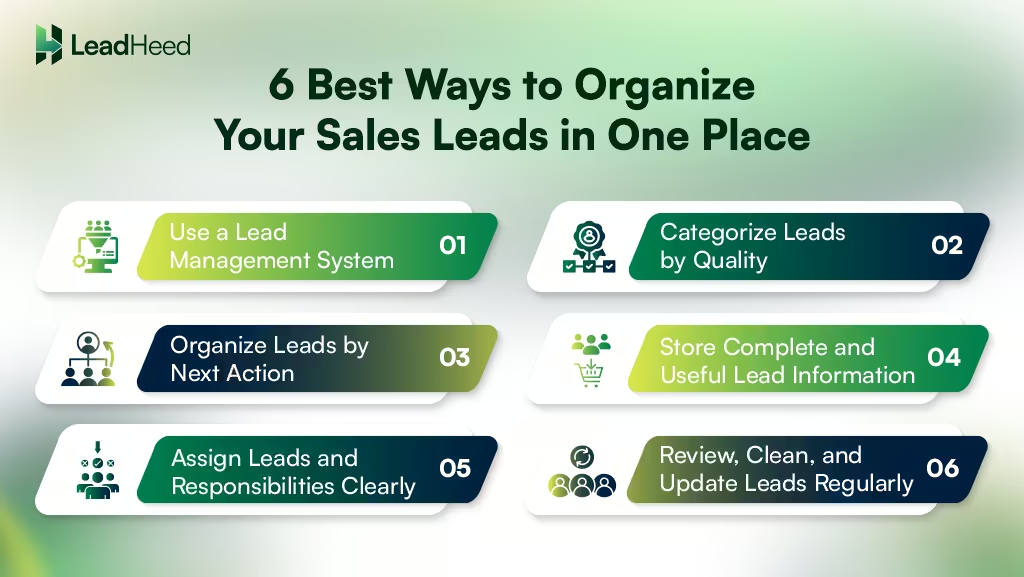
The best ways to organize your sales leads in one place include centralizing all lead data, categorizing prospects, assigning clear next actions, storing complete information, defining ownership, and regularly cleaning your lead list so no opportunity is missed.
Here are six practical ways to keep your leads organized and under control.
1. Use a Lead Management System
The easiest way to stay organized is to manage all your leads through a lead management system. Instead of juggling spreadsheets, emails, and notes, everything is stored in one place.
You can capture new leads, track interactions, assign follow-ups, and move leads through different stages of the sales process, all within a single system.
2. Categorize Leads by Quality
Not all leads are at the same stage, so organizing them by quality is essential. Grouping leads into cold, warm, and hot helps you decide how to approach each one. Cold leads need education, warm leads need nurturing, and hot leads need quick responses. This method prevents rushed selling and ensures each lead gets the right level of attention at the right time.
3. Organize Leads by Next Action
Leads stay organized when each of them has a clear next step. Whether it’s a call, follow-up email, or meeting, assigning a next action keeps leads moving forward. Organizing leads by upcoming tasks also helps you focus on what’s urgent instead of scanning long lists.
4. Store Complete and Useful Lead Information
Organizing sales leads properly means capturing the right details from the start. Basic contact information, lead source, interest level, and past interactions all help sales teams qualify leads faster. Keeping this data updated ensures conversations stay relevant and personal. Clean, accurate data makes it easier to identify high-potential leads and avoid wasted follow-ups.
5. Assign Leads and Responsibilities Clearly
As your lead volume grows, clear ownership becomes important. Assigning leads or tasks to specific team members avoids overlap and confusion. Everyone knows who is responsible for which lead and what needs to be done next. This keeps follow-ups timely and creates a smoother experience for prospects.
6. Review, Clean, and Update Leads Regularly
Regularly review and clean your lead list to remove duplicates and outdated contacts. Consistent CRM maintenance keeps your lead data organized, improves data accuracy, which prevents missed follow-ups, and helps your team focus on active prospects.
Common Mistakes to Avoid When Organizing Sales Leads
Common mistakes like scattered data, unstructured lists, missing next actions, incomplete records, and neglected cleanup make it easy to miss opportunities and slow down follow-ups.
- Storing Leads in Multiple Places: When lead details are scattered across emails, spreadsheets, and notes, it’s easy to lose track of important conversations. Teams waste time searching, and follow-ups get missed, letting good opportunities slip away.
- Not Structuring Leads by Stage or Priority: If all leads are mixed together with no clear status or priority, it’s hard to know who needs attention first. This slows down your workflow, and urgent leads often go unnoticed while less important ones take time.
- Leaving Leads Without a Next Action: Leads without a clear next step sit idle. Even interested prospects can go cold because no one knows what to do next or when to follow up.
- Maintaining Incomplete or Duplicate Records: Missing details or duplicate entries create confusion. Sales reps waste time figuring out which record is correct, and important context about a lead can get lost, making your follow-ups less effective.
- Neglecting Regular Review and Cleanup: Old or inactive leads clutter your system. Without regular cleanup, your team struggles to focus on active opportunities, making the sales process slower and more frustrating.
Organize Your Sales Leads with LeadHeed CRM
Keeping your leads organized in one place helps your team stay focused, follow up on time, and close more deals. When lead data is clear, structured, and easy to access, your sales process becomes faster, more consistent, and less stressful. Thus, opportunities are less likely to slip through the cracks.
LeadHeed, an all-in-one CRM system, makes organizing your leads easy by keeping all your contacts, interactions, and follow-ups in one place. Features like automated reminders, lead sorting, and real-time updates help your team focus on the most promising prospects and follow up on time, every time.
Start using LeadHeed today and turn more leads into customers without the stress.
FAQs
How to organize sales leads?
Organizing sales leads involves centralizing contact details, monitoring communications, and setting reminders for follow-ups. A clear system helps sales teams stay on top of every prospect and move deals forward efficiently.
What is the 2 2 2 rule in sales?
The 2-2-2 rule means following up with a lead 2 hours, 2 days, and 2 weeks after the first contact to increase the chance of conversion.
How to categorize leads?
Leads can be categorized by interest or engagement (hot, warm, cold), source (referral, website, event), or stage in the sales process (new, contacted, qualified, ready to buy).