
Managing clients, tracking leads, and keeping projects on track can be a big challenge for agencies. Missed opportunities, messy workflows, and scattered information often slow growth and affect client satisfaction.
In 2026, agencies face even more pressure to stay efficient and competitive. To tackle these challenges, many are turning to a CRM agency system, a solution made to help agencies organize their work, stay on top of tasks, and improve overall productivity. With the right system, agencies can focus on growth, deliver better results, and stay ahead in a fast-paced market.
In this blog, we’ll cover key CRM features, common mistakes without one, and how the right system can boost productivity, improve client relationships, and streamline your workflow.
What is a CRM Agency?
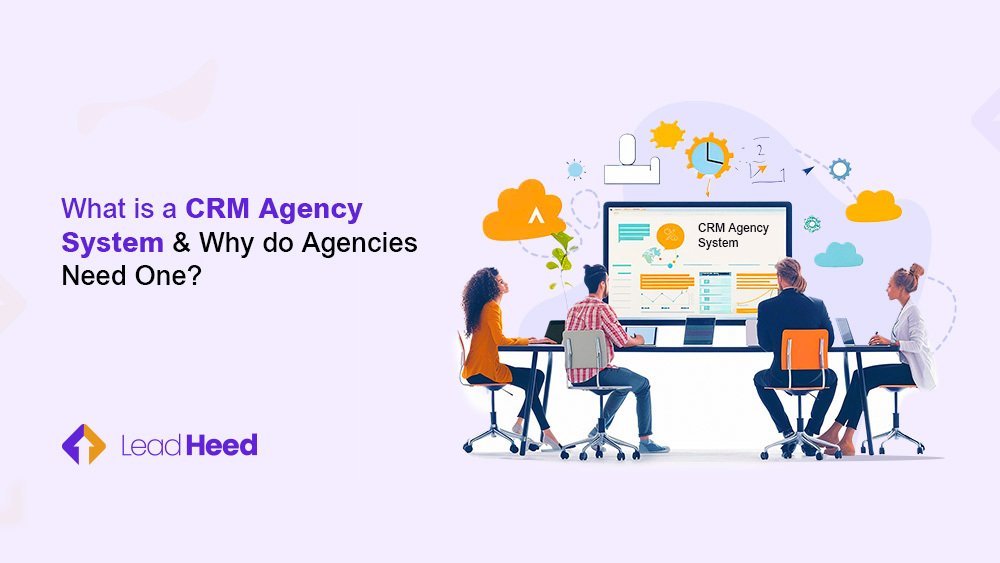
A CRM agency system is a tool designed to help agencies manage client relationships, track leads, organize projects, and streamline communication, all in one platform. Unlike a regular CRM, which primarily focuses on sales or generic customer management, an agency CRM handles internal workflows, project management, and team collaboration.
Therefore, agencies of all sizes, from marketing and creative agencies to consulting or digital service providers, can benefit by improving productivity, staying organized, and delivering better client experiences.
Why Your Agency Needs a CRM?
Your agency needs a CRM to enable centralized client data management, streamlined communication with clients, efficient task and project tracking, and improved team collaboration and accountability.
Here’s a detailed look at them:
- Centralized client data management: A CRM agency keeps all your client information in one place. You can easily access contact details, past interactions, and project history. This eliminates confusion and saves time searching for information. It ensures that every team member has the right data when they need it.
- Streamlined communication with clients: With a CRM agency, client communication becomes organized and consistent. You can send emails, follow up on leads, and track conversations without missing anything. This helps you respond faster and maintain strong client relationships.
- Efficient task and project tracking: A CRM agency allows you to manage tasks and projects from start to finish. You can assign responsibilities, set deadlines, and monitor progress in real time. This keeps your team on track and reduces the risk of missed deadlines.
- Improved team collaboration and accountability: Using a CRM agency promotes better teamwork and transparency. Everyone can see their tasks and responsibilities, making it easier to collaborate. It also helps track performance, ensuring accountability across your agency.
Key Features of a CRM for Agencies
A CRM for agencies comes with essential features like lead tracking and pipeline management, organizing projects and tasks, managing client communication with email integration, and customizable workflows. Together, these features make it easier to handle client relationships, monitor progress, and drive business growth efficiently.
Let’s have a clear look at them:
1. Lead Tracking & Pipeline Management
This feature enables agencies to capture, store, and organize leads from multiple sources such as web forms, social media, or emails. It provides visual sales pipelines where users can drag and drop leads across stages, automate follow-ups, and set reminders. The system also includes filters, tags, and segmentation tools to prioritize high-value prospects efficiently.
2. Project & Task Organization
A CRM for agencies comes equipped with a comprehensive project and task management system that centralizes all work activities. It enables users to create, assign, and prioritize tasks, define milestones, and monitor project timelines in real time.
The system supports Gantt charts and detailed task lists for visual progress tracking. Features like automated reminders, task dependencies, and progress indicators ensure smooth collaboration, minimize bottlenecks, and keep every project on schedule.
3. Client Communication with Email Integration
The platform offers two-way email sync that connects directly with Gmail, Outlook, or other email providers. All client messages are automatically logged under their CRM records, ensuring complete visibility of communication history. It may also support email templates, bulk emailing, and tracking features like open and click rates for campaign management.
4. Reporting & Performance Dashboards
CRM systems for agencies come with real-time analytics and reporting tools. You can generate reports on leads, revenue, conversion rates, project timelines, or agent productivity. Custom dashboards display KPIs with visual charts and graphs, helping teams monitor trends and performance at a glance.
5. Workflow Customization For Agencies
Advanced workflow customization allows you to build automated sequences. For example, sending follow-up emails after a lead update or notifying teams when a project reaches a new stage. You can customize fields, deal stages, permissions, and automation rules to fit your agency’s unique operations.
How a CRM Agency Can Improve Productivity?
By helping you centralize client data, streamline team collaboration, automate routine tasks, and enhance client satisfaction, a CRM agency can significantly boost your agency’s productivity.
Let’s explore them thoroughly:
1. Centralize Client Data
A CRM agency centralizes all your client information in one place, so you don’t have to search across emails or spreadsheets. You can quickly access contact details, project history, and previous interactions. This saves time and reduces errors. Therefore, having everything organized helps you make smarter decisions faster.
2. Streamline Team Collaboration
With a CRM agency, your team can work together more efficiently. Tasks, projects, and updates are visible to everyone, reducing miscommunication. You can assign responsibilities, track progress, and stay aligned. This ensures smoother workflows and fewer delays.
3. Automate Routine Tasks
CRM agency systems automate repetitive tasks like follow-ups, reminders, and data entry. This lets you focus on higher-value work instead of manual chores. Automation reduces mistakes and speeds up processes. Thus, your teams can spend more time on client-facing activities that drive results.
4. Track Performance With Analytics
A CRM for agencies provides dashboards and reports to monitor team and project performance. You can see which tasks are on track and where improvements are needed. Analytics help identify trends and measure productivity. This allows you to make informed decisions and optimize workflows.
5. Enhance Client Satisfaction
By using an agency CRM, client interactions become more organized and responsive. You can follow up promptly, address concerns quickly, and keep clients updated. Satisfied clients are more likely to stay loyal and refer your agency to others. This strengthens relationships and supports business growth.
How to Choose the Right CRM for Your Agency?
Start by understanding your agency’s needs and future goals. Choose a CRM that can grow with your business and handle more clients and projects over time. Make sure it easily connects with the tools you already use, like email, marketing, or project management apps.
Pick a CRM that’s simple and easy to use so your team can learn it quickly. Compare options like HubSpot, Zoho, and Pipedrive based on price, features, and support. Before deciding, use free trials to see how each CRM works in real situations and get feedback from your team.
Common Mistakes Agencies Make Without a CRM
Agencies without a CRM often face challenges like losing track of client interactions, poor lead follow-up and conversion, mismanaged projects and missed deadlines, and difficulty in reporting and performance analysis.
Let’s have a clear look at them:
1. Losing Track of Client Interactions.
Without a CRM agency system, it’s easy to lose track of past conversations, emails, and client details. Important updates get buried across different tools or inboxes, leading to confusion and weakening client relationships. A CRM keeps all your communication in one place, ensuring nothing important is missed.
2. Poor Lead Follow-up & Conversion.
When leads aren’t properly tracked, many potential clients slip through the cracks. Delayed follow-ups or forgotten prospects reduce your chances of closing deals. A CRM agency helps you by automating reminders and organizing leads by priority. This ensures consistent communication and better conversion rates.
3. Mismanaged Projects & Missed Deadlines.
Agencies often struggle with managing multiple projects at once without a centralized system. Tasks can overlap, deadlines get missed, and accountability becomes unclear. A CRM agency platform keeps everything organized with clear task assignments and timelines. This improves coordination and helps deliver projects on time.
4. Difficulty in Reporting & Performance Analysis.
Without a CRM, gathering accurate data on team or client performance can be time-consuming. Reports might be scattered across spreadsheets or emails, making it hard to get a clear picture. A CRM agency provides automated reporting and dashboards for real-time insights. This helps identify trends, track progress, and make data-driven decisions.
Conclusion
Running an agency without a proper CRM can easily lead to missed leads, unorganized projects, and scattered client communication. A dedicated CRM agency system changes that by keeping everything, from client data to project updates, in one place. It helps teams work smarter, follow up faster, and deliver consistent results that clients notice.
As competition grows in 2026, agencies that use the right CRM will have a clear edge — stronger relationships, higher productivity, and better growth visibility. So don’t let inefficiency slow your team down.
Switch to LeadHeed, a CRM built specifically for agencies to manage clients, track projects, and scale faster without the chaos. Start simplifying your workflow today.
FAQs
What is a CRM agency?
A CRM agency is a system designed to help agencies manage client relationships, track leads, organize projects, and streamline communication—all in one place. It makes managing your agency’s workflow easier and more efficient.
How is a CRM for agencies different from a regular CRM?
A CRM for agencies is specifically built to handle agency needs like client projects, creative workflows, and team collaboration. Unlike a regular CRM, it focuses on managing both clients and internal tasks, making your agency’s operations smoother and more organized.
Can a small agency benefit from a CRM system?
Yes, even a small agency can benefit from a CRM system. It helps you organize clients, track leads, manage projects, and improve communication, making your workflow more efficient and professional.
What is the best CRM for agencies in 2026?
The best CRM for agencies in 2026 is LeadHeed, known for its lead and pipeline management, email integration, and workflow automation tailored for agency needs. Other strong options include HubSpot CRM, Zoho CRM, and Salesforce Sales Cloud, depending on your agency’s size and workflow complexity.