
A quality sales lead list is a clean, organized list of prospects who actually fit your business and are worth your time to contact. It’s not about collecting thousands of random contacts. It’s about building a focused list with the right details (like role, need, and source) so you can follow up confidently, personalize your message, and move real opportunities forward.
Throughout the blog, you’ll learn how to create a sales lead list that helps your team close more deals. We’ll cover where to find leads, what information to collect, how to clean and segment your data, and how to qualify prospects so your list stays accurate, up to date, and ready for consistent follow-ups.
Highlights
- A sales lead list is a structured list of potential buyers with contact details, source, and current status.
- A quality lead list helps your team follow up faster, stay consistent, and avoid wasted outreach.
- The most useful lead lists include core fields like name, company, email/phone, source, status, and owner.
- You can organize leads by type (cold/warm/hot) and by status (new, contacted, qualified, not a fit) to prioritize work.
- The best way to build a sales lead list is to define your ideal customer, collect leads from reliable channels, and keep the data clean.
What Is a Sales Lead List?
A sales lead list is a structured list of people or businesses that might buy from you. It includes the details your team needs to reach out and start a sales conversation, such as name, company, email, phone number, lead source, and current status (for example: new, contacted, qualified).
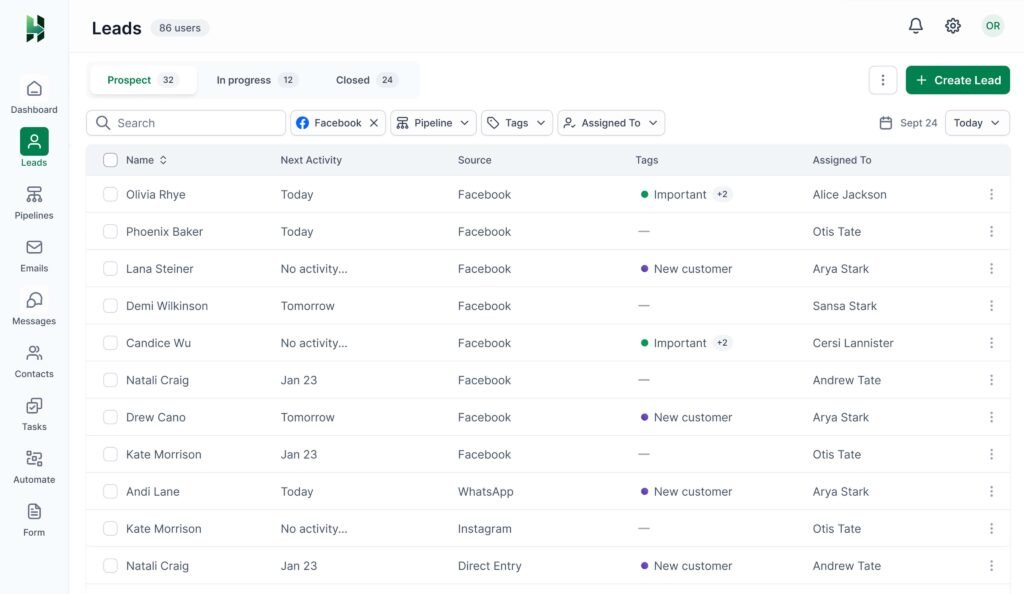
When your sales lead list is organized and updated, your team spends less time guessing and more time following up with the right prospects at the right time.
A good lead list also stores context, like what the prospect asked for. Beyond storing contacts, it helps your team decide who to follow up with, what to say, and when to do it.
What Makes a Sales Lead List “High Quality”?
- Accurate contact info: Emails and phone numbers are correct, so your outreach doesn’t bounce or fail.
- Complete details: You have enough context, like company name, need, budget range, and notes, to personalize follow-ups.
- Clear lead source: Every lead shows where it came from (forms, ads, referrals, social messages, imports), so you can track what works.
- Up to date: The sales lead list is regularly cleaned, and old or inactive leads are reviewed so your team focuses on active opportunities.
- Well-organized: Leads are tagged, segmented, and assigned to an owner, so no one misses the next step.
How to Create a Sales Lead List for More Closed Deals?
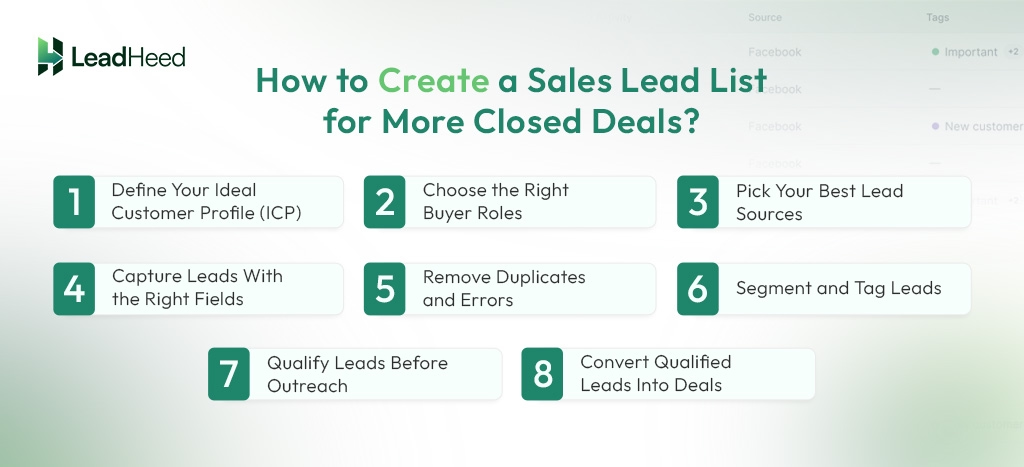
To build a sales lead list that converts, you should collect leads from the right channels, capture only the details your team needs to follow up, then clean, tag, and qualify the list so your sales team can focus on the best-fit prospects.
1. Define Your Ideal Customer Profile (ICP)
Creating a quality sales lead list starts with writing down what your best customers look like. List the industries you serve, the company size you can handle, the locations you target, and the common problems you solve. It keeps your sales lead list focused, so you don’t waste time on people who will never buy.
2. Choose the Right Buyer Roles
You have to decide which job roles you want in your list. A buyer is not always the person who uses the product; sometimes it’s the owner, manager, or finance team. Add leads who can approve budgets or strongly influence the decision, so your outreach goes to the right person.
3. Pick Your Best Lead Sources
Build your sales lead list using sources that match your audience. Common sources include website forms, inbound calls, social messages, referrals, events, and paid ads. If you already have a spreadsheet or old contacts, you can also import them to your CRM system and validate the data.
4. Capture Leads With the Right Fields
Collect details that help you qualify and follow up quickly. Keep it simple: name, email/phone, company, role, need, and source. If you ask too many questions, people may not fill out the form. A good rule is to capture the basics first, then add extra details later during the conversation.
5. Remove Duplicates and Errors
A quality sales lead list must be accurate. Remove duplicate entries, fix formatting (like phone numbers), and correct missing or wrong details. If your list has repeated or messy data, your team may contact the same lead twice, lose trust, or miss follow-ups.
6. Segment and Tag Leads
Don’t keep all leads in one big pile. Use tags or segments like “New,” “Contacted,” “Qualified,” “High Priority,” “Campaign Name,” or “Service Type.” It helps your team filter the list quickly and take action on the right group of leads at the right time.
7. Qualify Leads Before Outreach
Before you invest time in calls and demos, check if the lead is worth pursuing. Use a simple qualification check: Do they match your ICP? Do they have a real need? Are they ready to decide soon? Even basic qualifying keeps your sales lead list strong and improves conversion rates.
8. Convert Qualified Leads Into Deals
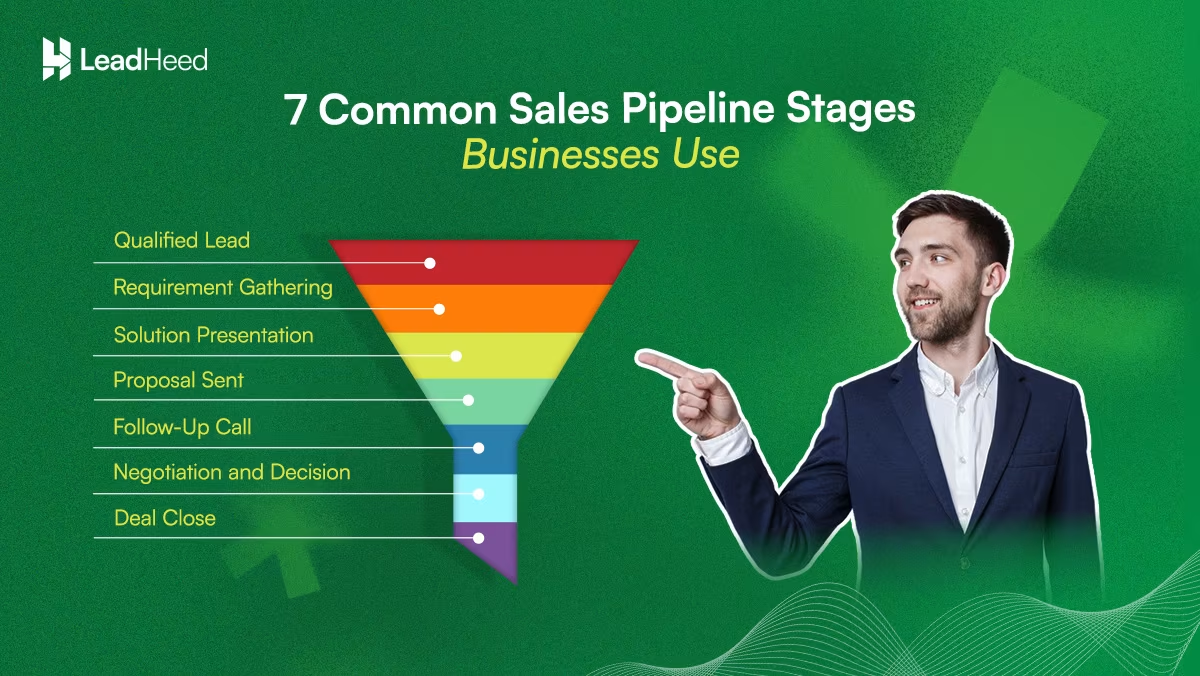
Once a lead is clearly interested and ready to move forward, turn it into a deal and track it in your pipeline. Add a deal owner, deal value and expected close date. The owner will then move the deal through stages as progress happens.
What Your Sales Lead List Should Include?
A good sales lead list template should help you do three things fast: contact the lead, understand the context, and decide the next step. If your list is missing these basics, follow-ups get delayed, and leads slip away.
Here are some useful columns sales lead lists have.
Lead identity:
- Lead Name
- Company Name
- Job Title / Role
- Phone Number
- Location (city/country if relevant)
Lead context:
- Lead Source (form, ads, referral, social message, event, import)
- Product/Service Interest
- Notes (need, pain point, what they asked for)
Lead status and priority:
- Lead Status (New, Contacted, Qualified, Not a Fit)
- Tags (Priority, campaign name, service type, hot/warm/cold)
Ownership and follow-up tracking:
- Owner (assigned sales rep/team member)
- Last Contacted Date
- Next Follow-up Date
- Next Action (call, demo, send quote, meeting)
Qualification and outcome:
- Qualified? (Yes/No)
- Deal Value Estimate (if known)
- Expected Close Date (if it becomes a deal)
- Outcome (Won/Lost + reason, if applicable)
Use LeadHeed to Create and Manage Your Sales Lead List
LeadHeed helps you build a clean sales lead list and keep it organized as your leads grow. With our simple and easy-to-use CRM, you can bring leads from all your channels into one list and make sure every lead gets a clear next step.
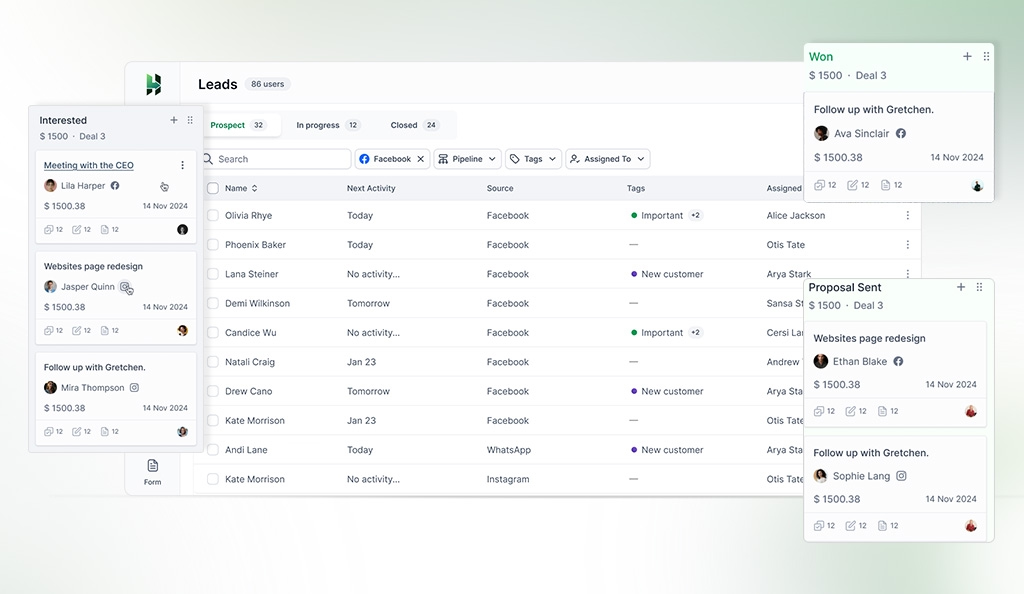
If you want a sales lead list that stays clean, organized, and easy to act on, LeadHeed gives you the full system: capture leads, manage conversations, assign follow-ups, and convert opportunities in one simple CRM.
Sign up for LeadHeed for free and start building sales lead lists your team can follow up on confidently every day.
FAQs
What is a lead list in sales?
A lead list in sales is a structured list of potential customers (people or businesses) that your team can contact. Sales lead lists include details of your prospects, such as name, company, email/phone, and lead source.
What are the types of leads in sales?
Common types of sales leads include:
- Cold leads: haven’t shown interest yet.
- Warm leads: some interest or awareness, but not ready to buy.
- Hot leads: high intent and likely to buy soon.
- Qualified leads: leads that meet your criteria.
How to build a lead list for sales?
Building a lead list for sales involves defining your ideal customer and collecting leads from forms, referrals, social media, events, ads, or imports. You must include details like contact info, source, notes about the leads, tag and segment them, and keep statuses updated so your team knows who to follow up with.
What is the best way to organize leads?
The best way to organize leads is to keep all leads in one place, then segment them by status, source, priority, and owner. Use tags, filters, and next tasks, so your team always knows who to contact next and how.
What information should a lead list include?
A solid lead list should include:
- Name and company
- Email and phone number
- Lead source (form, ad, social, referral, etc.)
- Status/stage (new, contacted, qualified, not a fit)
- Lead owner
- Notes (need, budget, timeline, last conversation)
How do you qualify leads in a lead list?
You qualify leads by checking if they match your ideal customer and show real buying intent. Then update the lead’s status (e.g., “Qualified”), add key details (need, budget, timeline), and if it’s a real opportunity, convert it into a deal so it can move through your sales pipeline.