

Sales teams often struggle not because they lack leads, but because they lack a clear process to move those leads forward. When teams do not know which leads to contact, when to follow up, or what comes next, sales efforts lose direction.
As a result, deals stay stuck, forecasting becomes difficult, and teams spend more time managing chaos than closing sales. Over time, this creates missed opportunities and unpredictable revenue.
A sales pipeline organizes leads into clear stages and shows what needs to happen at each step. Teams can track progress, prioritize work, and focus on deals that are most likely to close.
Highlights
- A sales pipeline visually tracks how leads move through defined stages of the sales process, showing deal status and next actions clearly.
- A sales pipeline brings structure, improves forecasting, prioritizes high-value deals, and supports consistent, scalable growth.
- The seven stages of a sales pipeline include lead generation, lead qualification, discovery, proposal, negotiation, closing, and post-sale follow-up.
- Building a sales pipeline involves defining the ideal customer, setting clear stages and rules, tracking deals, and optimizing performance regularly.
What Is a Sales Pipeline?
A sales pipeline is a visual representation of how potential buyers move through each stage of the sales journey. It breaks the selling process into defined stages such as lead generation, qualification, proposal, negotiation, and closing. It helps sales teams see exactly where each deal stands and what actions are needed next.
When moving a lead in the sales pipeline, you can add details like deal value, follow-up tasks, expected close dates, and more. That data helps the team forecast revenue with accuracy, reveals patterns in buyer behavior and highlights gaps in the sales process.
Why Does Business Need a Sales Pipeline?
A sales pipeline transforms unpredictable sales activities into a systematic engine for growth. It maps every active deal from initial contact to close, which helps businesses accurately forecast revenue, prioritize high-value opportunities, and identify bottlenecks where prospects might be stalling.
Organize Sales Process
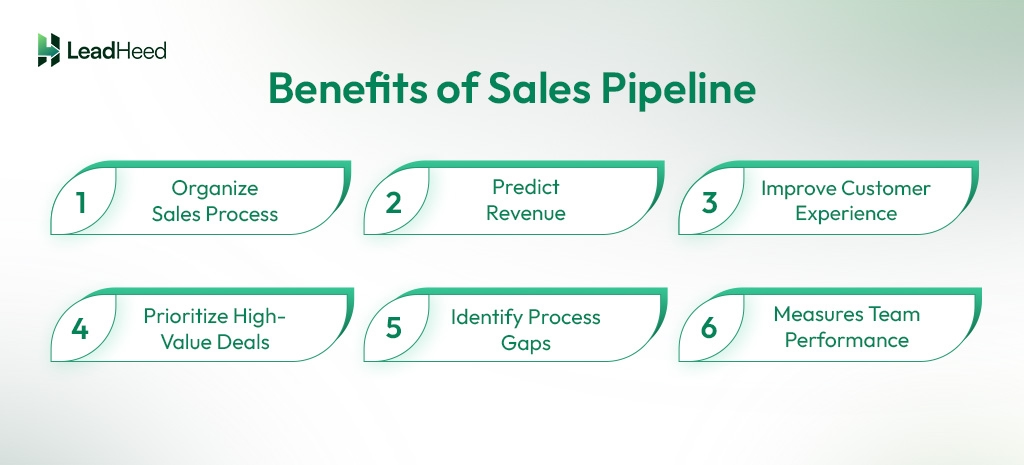
A sales pipeline gives salespeople clear steps to follow from first contact to final sale. Everyone follows the same process, such as qualifying leads, presenting solutions, and negotiating terms. It helps sales teams work in an organized and consistent way.
Predict Revenue
By tracking how many deals are in each stage and how close they are to being completed, managers can estimate future income more accurately. It allows businesses to plan budgets, hiring, and expenses with more confidence.
Improve Customer Experience
A well-managed pipeline helps salespeople contact customers at the right time with the right message. They know when to follow up, give more information, and close the deal. It helps customers feel supported, which builds trust and increases the likelihood of long-term relationships.
Prioritize High-Value Deals
With a clear view of all active deals, teams see which deals carry the most value and are most ready to move forward. Then they can focus their time and effort on leads with the highest potential.
Identify Process Gaps
The sales pipeline shows where leads tend to drop off, making it easier to identify weak points. Teams can then adjust strategies or stages to keep deals moving smoothly.
Measures Team Performance
Managers can see how many leads each salesperson handles, how many deals they close, and how long each deal takes. This information helps identify top performers and those who need training or support.
How to Build a Sales Pipeline Step by Step?
To build a sales pipeline, start by defining your ideal customer, mapping clear sales stages, setting entry and exit rules, assigning deal ownership, and adding deal value with expected close dates. You can then track all activities and follow-ups, and finally review pipeline performance regularly to improve conversions and keep the sales process consistent and predictable.
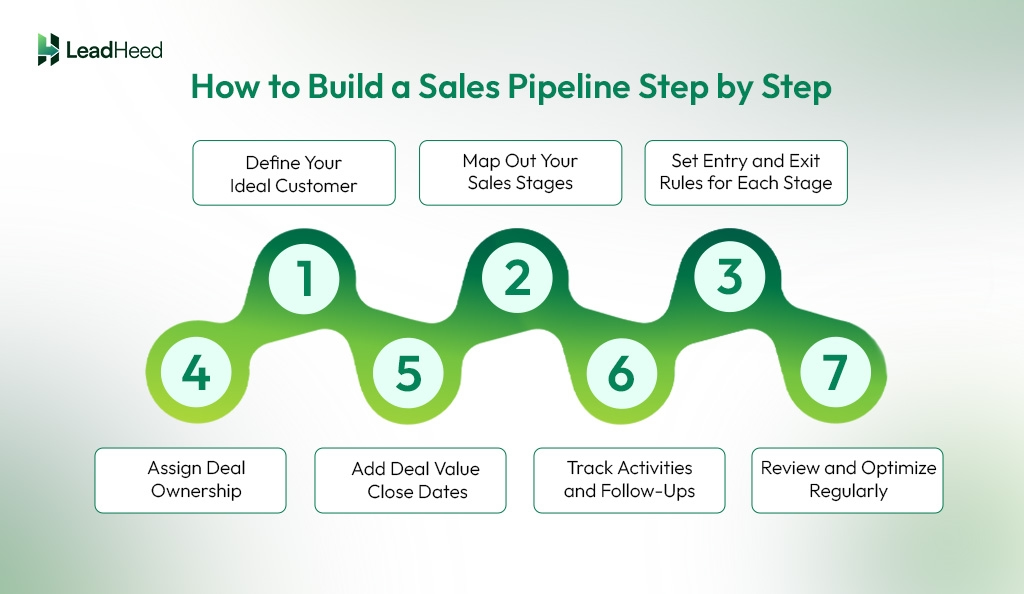
Step 1: Define Your Ideal Customer
You need to know exactly who you are selling to and why they would care. Define key traits such as industry, company size, budget range, and buying intent so the pipeline fills with relevant leads.
Step 2: Map Out Your Sales Stages
List the stages a lead goes through before becoming a customer. Keep each stage clear and action-based so everyone understands what moves a deal forward.
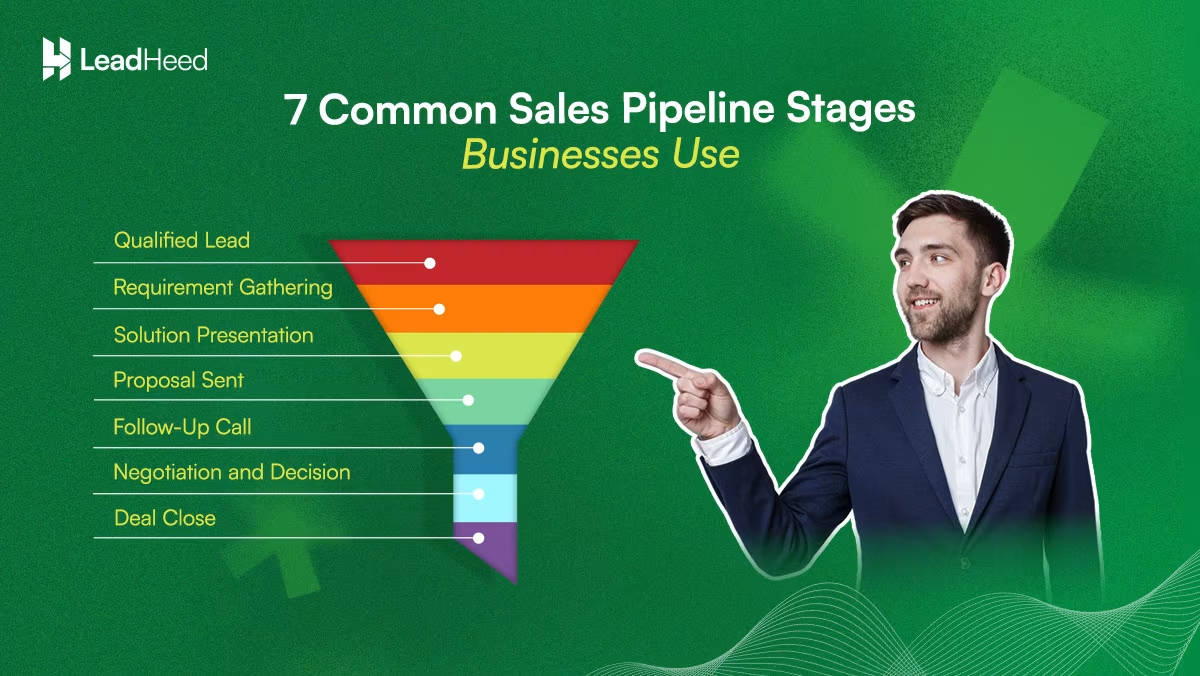
Here are common sales pipeline stages used by businesses:
- Qualified Leads: When you have qualified the leads, you convert them to deals, which will go to the first stage (which you can name Qualified Leads). You can see all your qualified leads, with their contact and business info, on this stage.
- Initial Contact: In this stage, sales reps make first direct contact with leads through call, SMS or email. Here, you introduce the company, understand the customer’s needs, and ask questions to learn about their challenges and goals.
- Proposal Sent: After learning the customer’s needs, the business prepares and sends a detailed proposal. The document explains how their product or service will help, what it includes, how much it costs, the timeline, and the terms in a clear way.
- Follow-Up: Once the proposal is sent, things often go quiet for a while as the customer reviews it or compares it with other options. During this period, you need to politely follow up to check if there are any questions, concerns, or delays and remind them of the ongoing deal.
- Negotiation: When the lead is interested but wants additional features, an adjustment in price or contract terms, the deal moves into the negotiation stage. At this stage, both sides work together to reach an agreement that meets the customer’s needs while still making a profit for the business.
- Deal Won / Deal Lost: If the product meets the customer’s expectations and they agree to the terms, they sign the contract and make the payment, and the deal is marked as Won. If the customer chooses not to proceed, the deal is marked as Lost, and the specific reason for the loss is recorded to refine future sales strategy.
Step 3: Set Entry and Exit Rules for Each Stage
For each stage, decide what must be true for a deal to enter it, and what must be completed to move forward. Clear rules remove guesswork and ensure deals move through the pipeline in a consistent way.
For example, a deal can’t enter “Qualified” unless you’ve confirmed there’s a real problem, a possible budget, a decision-maker, and a reasonable timeframe.
Step 4: Assign Deal Ownership
Decide who is responsible for moving each deal forward. One deal should have one clear owner, even if several team members support it. Ownership creates accountability and ensures follow-ups, updates, and communication stay consistent.
Step 5: Add Deal Value and Close Dates
For every opportunity, estimate how much the deal is worth and when the customer is likely to make a decision. These numbers should come from real conversations about budget, approval steps, and timelines. Update them whenever new information comes in so your pipeline reflects what’s actually likely to happen.
Step 6: Track Activities and Follow-Ups
Log key activities, like calls, emails, demos, and proposals, so anyone can see what happened and what’s next. Also, set the next follow-up date for every active deal. Regular tracking keeps momentum strong, prevents leads from going cold and improves customer experience.
Step 7: Review and Optimize Regularly
Monitor how deals move through the pipeline. Look for patterns like stages where deals get stuck, common loss reasons, and sources that produce the best wins. Then adjust stage rules, qualification criteria, messaging, and follow-up habits based on performance data.
Sales Pipeline Examples for Different Industries
Sales pipelines can look different depending on the business model, deal size, and sales cycle. Below are clear sales pipeline examples to show how pipelines adapt to different types of businesses.
1. Real Estate
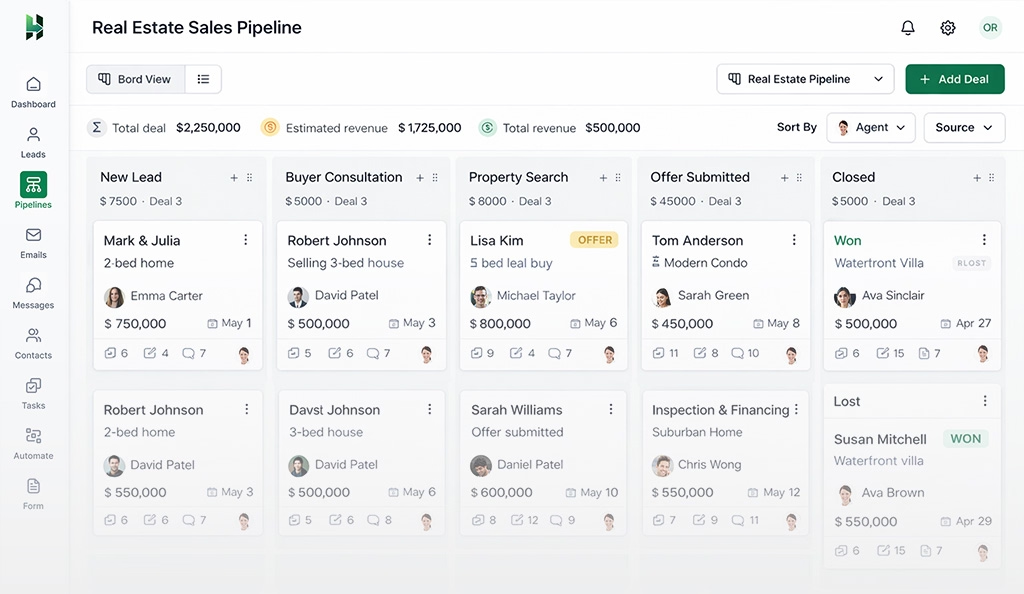
The real estate industry is relationship-driven and usually involves high-value transactions. Buyers and sellers take time to compare options, arrange financing, and build trust with agents. Because of this, the sales process is longer and includes multiple discussions, property visits, and negotiations.
Example of a real estate sales pipeline:
New Lead → Buyer/Seller Consultation → Property Search → Offer Submitted → Negotiation → Inspection & Financing → Closed (Won/Lost)
2. SaaS (Software Companies)
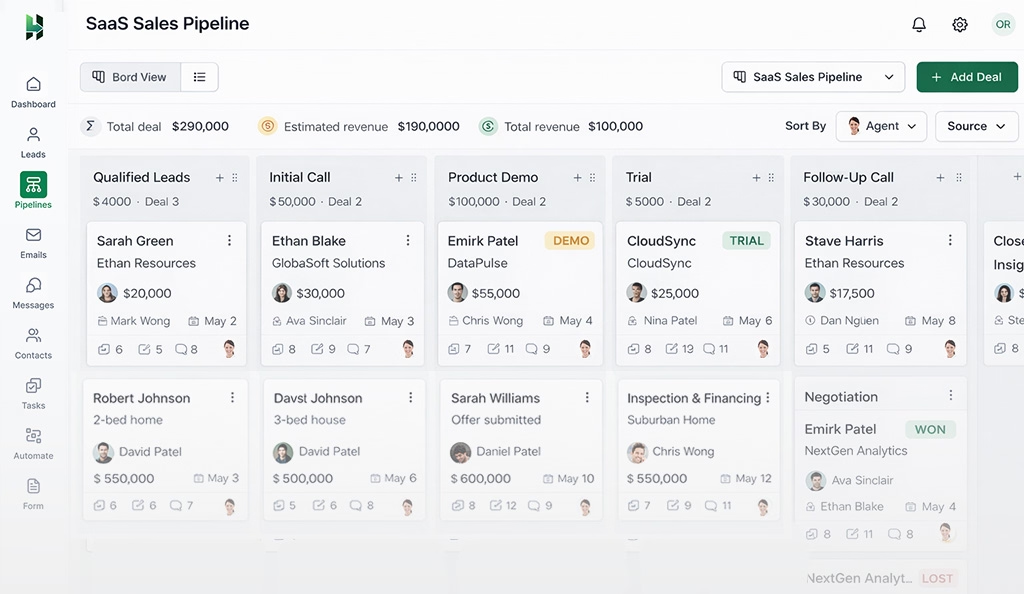
SaaS companies usually sell subscription-based software. Customers often need to understand how the product works and how it solves their problems before buying. As a result, demos, trials, and follow-ups are essential parts of the sales process.
Example of a Saas product’s sales pipeline:
Qualified Leads → Initial Call → Product Demo → Trial → Follow-Up Call → Negotiation → Closed (Won/Lost)
3. Hospitality
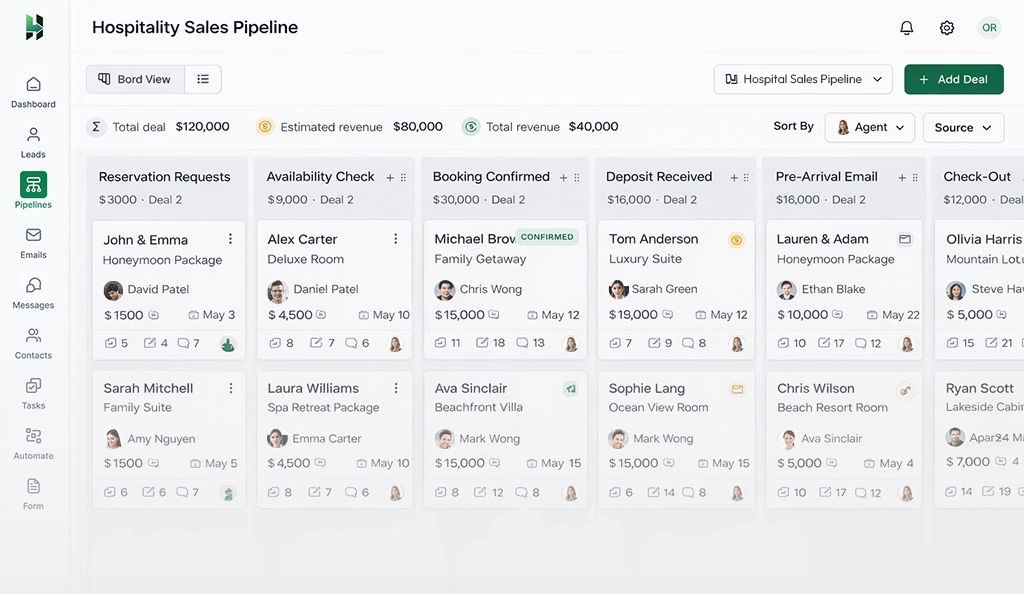
Hospitality businesses depend on guest experience, service quality, and repeat visits. Customers compare prices, availability, and packages before making reservations. The sales process focuses on smooth booking, clear communication, and excellent service delivery.
Example of a hospitality sales pipeline:
Reservation Requests → Availability Check → Booking Confirmed → Deposit Received → Pre-Arrival Email → Guest Stay → Check-Out
4. Education and Training
Education and training providers rely heavily on trust, results, and personal guidance. Students and parents often need counseling, trial classes, and clear fee structures before enrolling.
Example of a sales pipeline of a college/university:
Interested Students → Initial Call (Counseling) → Level Evaluation → Course Recommendation → Trial Class → Follow-up for Fees → Payment Received → Enrollment Complete or Lost
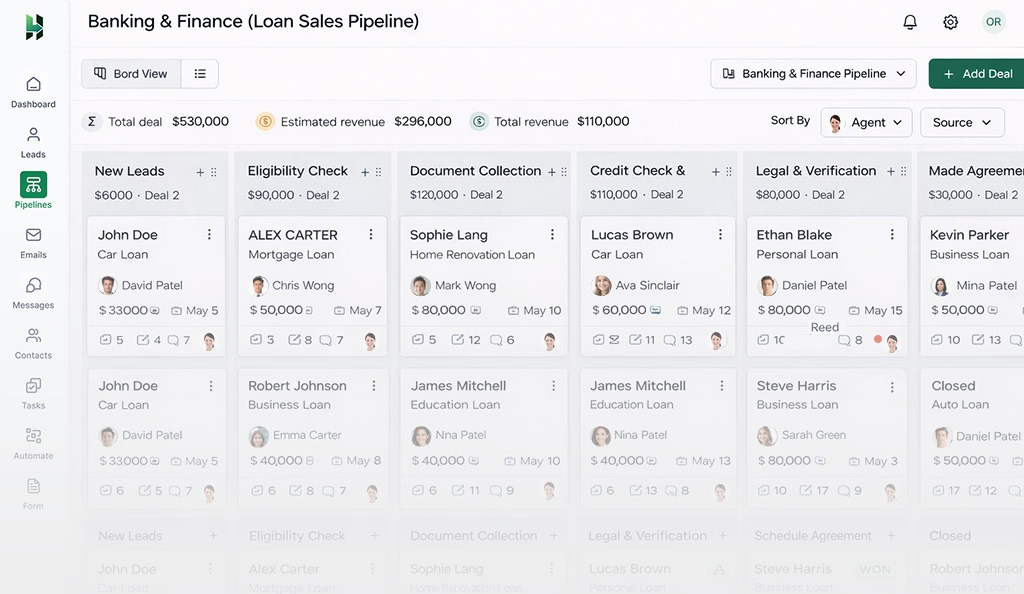
5. Banking & Finance (Loan Provider)
Loan providers operate in a highly regulated environment where risk management and documentation are critical. The sales process focuses on checking customer eligibility, verifying documents, and ensuring repayment ability.
Example of a sales pipeline of a finance company:
New Leads → Eligibility Check → Document Collection→ Credit Check & Repayment Review → Legal & Verification → Schedule Agreement Appointment → Made Agreement → Closes (Won/Lost)
Common Sales Pipeline Mistakes to Avoid
A sales pipeline fails when stages become too complex, leads are not qualified, and follow-ups are inconsistent. Poor data accuracy and a lack of regular reviews make forecasting unreliable and slow growth.
- Using too Many Pipeline Stages: Adding too many stages makes the sales pipeline hard to manage and slows decision-making. Simple, well-defined stages help deals move faster and stay clear.
- Failing to Qualify Leads Properly: When unqualified leads enter the pipeline, sales teams waste time on deals that will never close. Strong qualification keeps the pipeline focused on real opportunities.
- Poor Follow-Up Discipline: Missing or delayed follow-ups cause prospects to lose interest. Consistent follow-up is essential for keeping deals active and moving forward.
- Outdated or Inaccurate Data: Incorrect deal values or close dates lead to unreliable forecasts. Regular updates keep the pipeline trustworthy and useful for planning.
- No Clear Ownership of Deals: When multiple reps handle the same deal without clear responsibility, tasks get missed. Assigning one owner per deal improves accountability and results.
- Ignoring Pipeline Performance Reviews: Not reviewing pipeline data hides problems until it’s too late. Regular analysis helps teams fix issues and improve conversion rates.
Wrapping Up
A clear and well-structured sales pipeline brings order to the entire sales process. It shows where each deal stands, what action comes next, and which opportunities need immediate attention. With defined stages and accurate data, sales teams stay focused and work with greater consistency.
LeadHeed, an all-in-one CRM system, helps businesses build and manage a structured sales pipeline with ease. With clear pipeline views, lead priority flags, activity tracking, and performance reports, LeadHeed enables sales teams to respond faster, improve forecasting, and close more deals with confidence. Start your free LeadHeed trial today!
Frequently Asked Questions
How is a sales pipeline different from a sales funnel?
A sales pipeline focuses on internal sales actions and deal progress, while a sales funnel focuses on the buyer’s journey and conversion rates.
How long does it take to build a sales pipeline?
You can set up a basic sales pipeline in a few hours, but refining and optimizing it usually takes ongoing review and adjustment.
Can small businesses benefit from a sales pipeline?
Yes, a sales pipeline helps small businesses stay organized, follow up on time, and focus on deals that matter most.