
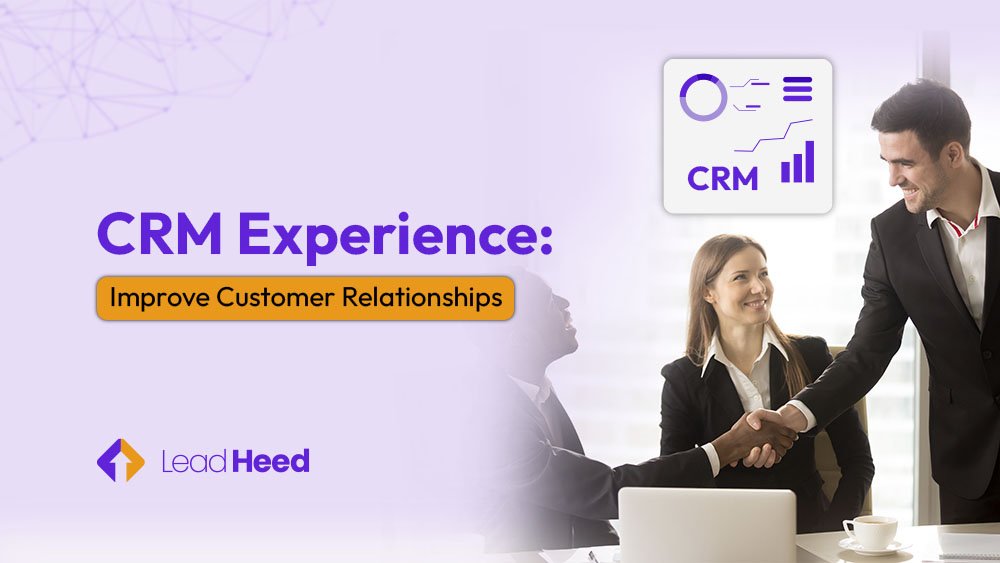
Customer relationships break down faster than you think when data is scattered and follow-ups feel impersonal. A weak CRM experience slows teams down, frustrates customers, and makes it harder to build trust. Missed messages, delayed responses, and disconnected tools quietly damage loyalty and limit growth over time.
This is where improving your CRM experience becomes a real game-changer. With the right approach, you can centralize customer data, streamline workflows, personalize every interaction, and deliver consistent communication across sales and support.
In this blog, you’ll learn how smarter CRM strategies help improve customer relationships, boost engagement, and support long-term business success.
What is CRM Experience?
A CRM experience is all about how well you can manage the CRM platform provided to you for good customer relationships. It shapes how users handle communication, track interactions, and support customers through the CRM system. A good CRM experience connects your customers, your team, and your processes in one place. It shapes every interaction, from the first touchpoint to post-sale follow-ups.
When there is no CRM experience, teams often struggle to stay aligned. Important details get missed, conversations become scattered, and follow-ups fall through the cracks. This leads to internal miscommunication and an inconsistent experience for customers. Without proper CRM experience, relationship management becomes reactive instead of organized, making reliable service harder to deliver.
What Does It Mean to Have CRM Experience?
Having CRM experience means you can confidently use a CRM system to manage customer relationships in real business scenarios. It shows that you know how to track interactions, organize data, and run workflows that support sales, service, and communication. With CRM experience, you can improve follow-ups, personalize customer interactions, streamline processes, and help teams work more efficiently while delivering a better customer experience.
Customer expectations are higher than ever, and people now expect fast responses and personalized communication every time they reach out. A strong CRM experience matters because it helps you meet these expectations consistently. Additionally, it keeps your team organized, accurate, and responsive, which is essential for staying competitive in today’s crowded market.
How CRM Experience Helps Your Business?
A strong CRM experience makes it easier for your business to communicate clearly, understand customers better, and stay organized. It helps you build long-term relationships, uncover valuable insights, segment your audience more accurately, and automate basic tasks. All of this comes together to create a smoother customer journey and a more efficient team.
Strengthening Customer Relationships
A strong CRM experience helps you understand your customers more deeply. You can look back at past conversations, personalize your responses, and learn what each customer prefers. This makes your communication feel thoughtful and relevant, which naturally improves satisfaction. With all their information in one place, your team can build relationships that feel personal instead of transactional.
To explore how to take your customer interactions further, read our guide on How CRM Improves Customer Experience?
Improved Retention Rates
When you communicate with customers consistently, they naturally stay longer because they feel connected to your brand. A good CRM experience makes follow-ups easier and helps you catch issues early before they turn into bigger problems. It keeps your pipeline active, prevents missed opportunities, and leads to higher retention. This means happier customers and steady growth for your business.
Enhanced Insights on Your Customer
CRM systems collect valuable information about customer behavior. With a solid CRM experience, it becomes easier to see patterns in your data and find new opportunities. You can understand what your customers prefer, how they interact, and what motivates their decisions. These insights help you adjust your strategies and improve every stage of the journey.
More Accurate Segmentation for Tailored Service
Segmentation is an essential part of the CRM. It helps you group customers so your communication feels more relevant. With better segmentation, your messages fit each customer’s needs.
These segments are usually based on different types of customer data, such as demographics, firmographics, technographics, activity patterns, and pipeline stages.
- Demographics: Basic personal information such as age, location, and income.
- Firmographics: Business details like company size, industry, and structure.
- Technographics: Information about the tools, software, and technology a customer uses.
- Customer activity patterns: Behavioral data that shows how customers interact with your brand, such as visits or engagement.
- Pipeline stage: The customer’s position in your sales process, from new lead to active client.
Automation for Basic Tasks
Automation handles routine work like reminders, follow-ups, and updates. This helps your team stay consistent without extra manual effort. It also keeps customers engaged even when your team is busy.
How to Improve CRM Experience in Your Business?
Improving your CRM experience starts with understanding how customers interact with your business and making every step easier for them. This includes reviewing key touchpoints, personalizing your communication, using automation to save time, and keeping your team aligned. When you respond quickly and support your work with the right CRM technology, your entire customer journey becomes smoother and more consistent.
1. Map and Improve Customer Touchpoints
Start by identifying every moment where customers interact with your business. Review these touchpoints to see what feels smooth and what needs fixing. When you understand the whole journey, it becomes easier to improve each step and create a consistent experience.
2. Personalize Communication
Use your CRM data to tailor messages so customers feel seen and understood. Small details like preferences, past conversations, or interests help you communicate in a way that feels human and relevant.
3. Improve Efficiency with Automation
Set up automation to take care of simple tasks such as reminders, follow-ups, and updates. This keeps your workflow smooth and ensures no customer feels overlooked.
4. Train Your Team and Strengthen Internal Communication
Your team needs to understand how to use the CRM confidently. Good training helps them adopt the system, share updates, and work in sync. When everyone follows the same process, the customer experience becomes more reliable.
5. Respond Quickly to Customer Needs
Respond quickly to customer needs by using your CRM to track past issues, understand context, and reply fast. This helps you solve problems early and keep customers satisfied.
6. Invest in the Right CRM Technology
Choosing the right CRM sets the foundation for your entire experience. Look for a tool that fits your workflow, supports automation, and helps you manage customer data without complexity. The right system gives you long-term value.
Enhance Customer Experience Using LeadHeed CRM
If you’re looking for a CRM that helps you deliver a smoother customer experience, LeadHeed CRM is a strong choice. Its clean interface is easy to learn, and the built-in guidance helps your team get trained quickly. With reliable customer support, you always have help when you need it, so your team stays confident and organized.
As your business grows, LeadHeed CRM grows with you. It is flexible, scalable, and integrates easily with the tools you already use. You can automate simple tasks, streamline your workflow, and get a clear view of every customer. If you want consistency, better results, and dependable support without extra effort, LeadHeed CRM makes it simple.
Conclusion
A strong CRM experience helps you stay organized, communicate effectively, and build lasting customer relationships. By centralizing data, tracking interactions, and automating follow-ups, your team can work efficiently while giving customers a consistent, personalized experience. This helps in boosting satisfaction, retention, and business growth.
To achieve this level of efficiency and clarity, LeadHeed CRM provides a simple, all-in-one platform for managing customer interactions. From tracking interactions to automating routine tasks, it provides a clear, organized system that boosts efficiency and strengthens customer relationships.
Take control of your customer relationships—try LeadHeed today and experience smoother, smarter CRM.
FAQs
What is CRM work experience?
CRM work experience refers to hands-on experience using a CRM system in a real business environment. It involves working with customer data, managing interactions, and supporting sales or service processes through a CRM platform. This type of experience shows that a person understands how customer relationships are managed in practice, not just in theory.
What does CRM skill mean?
CRM skill refers to the ability to use CRM software efficiently to manage relationships and workflows. It includes organizing contacts, setting up automation, analyzing customer data, and improving communication. Strong CRM skills help teams work faster and deliver a better customer experience.
Is CRM difficult to learn?
CRM is not difficult to learn when you have proper guidance and practice. Most CRM platforms are built with simple interfaces and clear features. With regular use, users can quickly become comfortable with the system and apply it to daily tasks.