
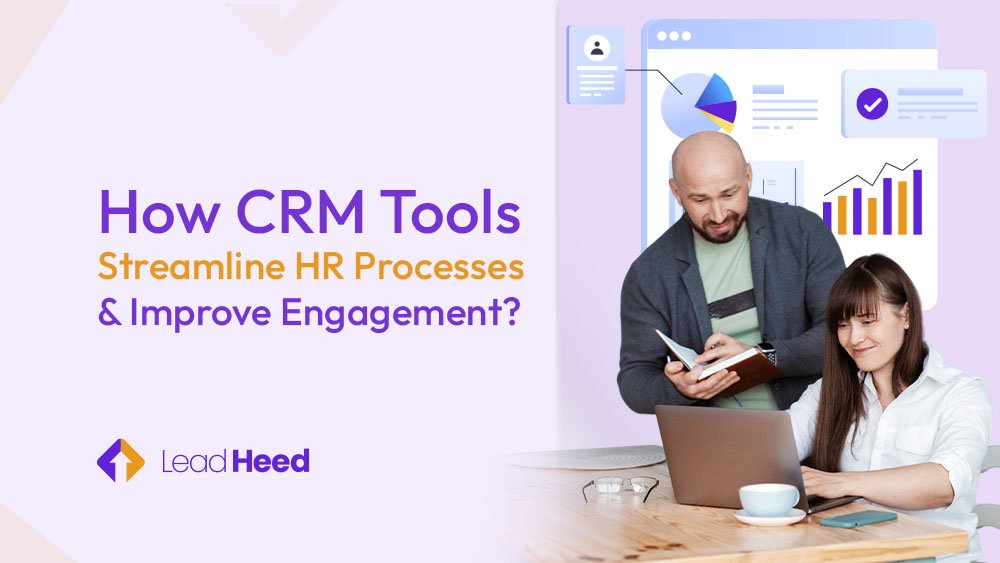
Managing HR with spreadsheets, emails, and scattered tools creates chaos. Tasks get lost, onboarding feels messy, and tracking performance becomes overwhelming. When processes are disorganized, HR teams get stressed, and employees feel disconnected. Poor communication lowers engagement, slows productivity, and even impacts company culture over time.
An HR CRM brings everything into one place—recruitment, onboarding, engagement, and performance tracking. It makes workflows smoother, keeps everyone connected, and helps your team focus on what really matters: your people.
In this blog, you’ll learn why businesses need an HR CRM, its key features, benefits for teams and employees, and how to implement it effectively.
What is an HR CRM?
HR CRM, or Human Resources Customer Relationship Management, is a type of CRM designed specifically for HR teams to manage employee information, recruitment, onboarding, performance, and engagement efficiently. By treating employees like internal customers, it improves communication, organizes HR processes, and enhances the overall employee experience.
It applies the same principles of CRM, like organization, communication, and relationship-building, to employees, treating them as internal customers. This makes HR work more efficiently, transparently, and people-focused. With an HR CRM, HR teams can automate repetitive tasks, track employee progress, manage feedback, and recognize achievements.
Additionally, it provides insights through analytics, helping managers make data-driven decisions to improve performance, engagement, and retention. In short, HR CRM transforms HR from a purely administrative function into a strategic, people-focused part of the business.
Why Businesses Need an HR CRM?
Businesses need HR CRM because it stores all employee information in one place, makes HR tasks easier, and handles repetitive work automatically. This saves time, reduces mistakes, and lets HR focus on more important work.
HR CRM also helps employees feel valued and connected. Tools like feedback, recognition, and messaging improve engagement and satisfaction. Analytics show trends in hiring, performance, and engagement, helping managers make better decisions. Overall, HR CRM keeps HR work organized, efficient, and effective for the whole company.
Key Features of HR CRM
HR CRM includes tools for hiring, onboarding, performance tracking, and engagement — all in one place. These features save time, reduce manual work, and make HR smoother and more efficient.
Let’s explore each feature in detail to see how it improves daily HR tasks.
1. Recruitment & applicant tracking
With HR CRM, you don’t have to juggle spreadsheets or emails when hiring. You can post jobs, collect resumes, and track applicants in one place. The system helps you see where each candidate is in the process, so you never lose track. It saves time, keeps things organized, and ensures you don’t miss out on great talent.
2. Onboarding management
Bringing new hires on board becomes smoother with digital onboarding tools. Instead of piles of paperwork, you can guide employees through online forms, training materials, and welcome tasks. This helps new team members feel comfortable from day one. You also save time while making the process consistent for everyone.
3. Centralized employee database
Instead of digging through files or chasing emails, you’ll have all employee details stored in one system. From contact information to job history, everything is easy to find. This makes HR work faster and reduces errors. Plus, you always know the data you’re using is up-to-date.
4. Employee engagement tools
An HR CRM gives you ways to connect with your team beyond basic admin work. You can send surveys, share updates, and recognize employee achievements. This makes employees feel valued and heard. When engagement goes up, productivity and retention usually follow.
5. Performance tracking
With an HR CRM, it’s easier to track goals, progress, and achievements. You can set objectives, review results, and give feedback in real time. Employees see their growth, and managers get a clear view of performance trends. This helps you reward top talent and support those who need improvement.
6. Analytics & reporting
Finally, analytics and reporting are one of the important features of an HR CRM. Instead of guessing, you’ll have real data to back your HR decisions. The system shows you trends in hiring, turnover, and performance. Custom reports make it easy to spot strengths and gaps. With these insights, you can plan better and drive smarter HR strategies.
Benefits of Using HR CRM
An HR CRM helps automate work, boost employee satisfaction, and make better decisions using data. It simplifies processes, saves time, and supports a happier workplace.
Here’s a closer look at the key benefits your HR team can expect.
1. Streamlined HR operations
With HR CRM, you don’t have to switch between multiple tools or messy spreadsheets. Everything from hiring to payroll can be managed in one place. This saves you hours of manual work and reduces mistakes. A streamlined system means you can focus more on people and less on paperwork.
2. Simplified training processes
Training new hires or upskilling current employees becomes much easier with an HR CRM. You can create structured training modules, assign them, and track progress in real time. Employees know what’s expected, and you can see who needs extra support. This makes learning smoother and more effective for everyone.
3. Automated HR tasks
Repetitive tasks like sending reminders, tracking attendance, or processing forms no longer eat up your time. The HR CRM systems can handle them automatically, so you can focus on bigger responsibilities. Automation helps you avoid delays, reduces stress, and keeps things consistent.
4. Improved communication
HR CRM gives you a single platform to connect with employees and managers. You can share updates, send reminders, and collect feedback without relying on scattered emails. Clearer communication means fewer misunderstandings and stronger relationships within your team.
5. Enhanced satisfaction & retention
When employees feel valued, supported, and heard, they’re more likely to stay. HR CRM helps you track engagement, recognize achievements, and resolve issues faster. This creates a positive work environment where people want to grow. Happier employees usually lead to lower turnover.
6. Data-driven HR decisions
Instead of relying on guesswork, you’ll have solid data to guide your choices. Reports on hiring, performance, and engagement give you a clear picture of what’s working. With these insights, you can make smarter decisions that improve both employee experience and company performance.
How to Implement HR CRM Effectively?
To implement HR CRM effectively, define HR goals, ensure system compatibility, and check customization options. Then you should prioritize scalability, review data security, and ensure regulatory compliance. Following these steps helps your HR CRM work smoothly, protect employee data, and deliver maximum value to your team.
1. Define HR needs and goals
Before you start, take time to understand what you really need from an HR CRM. Do you want to improve hiring, employee engagement, or data management? By setting clear goals, you’ll avoid paying for features you don’t use. This step ensures the system supports your team’s priorities from day one.
2. Ensure system compatibility
Your HR CRM should work smoothly with the tools you already use, like payroll or communication platforms. If it doesn’t connect well, you’ll waste time juggling multiple systems. Checking compatibility upfront saves you headaches later and makes adoption easier for your whole team.
3. Check customization options
Every company has unique processes, so a one-size-fits-all CRM may not work. Look for a system you can customize, like adding specific workflows or reports. This way, you can shape the CRM to match how your team works, instead of forcing people to adjust to rigid software.
4. Ensure scalability
As your business grows, your HR needs will too. Pick a CRM that can handle more employees, data, and features without slowing down. This way, you won’t have to switch systems every few years. Scalability keeps your investment useful in the long run.
5. Review data security
HR CRM stores sensitive employee data, so security must be a top priority. Make sure the system offers features like encryption, secure logins, and regular backups. When employees know their information is safe, they’ll trust the system more. And you’ll have peace of mind, too.
6. Ensure regulatory compliance
HR data often comes with strict legal requirements. Choose a CRM that complies with labor laws, GDPR, or other regulations in your region. This reduces the risks of fines or legal issues. Staying compliant keeps your company protected and respects employees’ rights.
Challenges & Solutions in HR CRM
Using HR CRM can come with challenges like adoption issues, security risks, and integration gaps. But with the right CRM strategies, these can be fixed easily. Let’s break down the common problems and how to solve them effectively.
1. Adoption resistance
One of the biggest challenges in HR CRM is that employees may resist using a new system. They might feel it’s too complicated, unnecessary, or just another tool adding to their workload. This resistance can slow down the adoption process and limit the benefits of the system. Some employees may prefer sticking to spreadsheets or old methods they’re comfortable with. This often leads to inconsistent usage and wasted investment.
Solution:
The best way to solve this is through proper training and clear communication. Show employees how HR CRM makes their work easier, not harder. Provide step-by-step onboarding, offer continuous support, and highlight quick wins (like faster recruitment or easier data access). When employees see real value in the system, adoption becomes smoother and more natural.
2. Data security concerns
Since HR CRM stores sensitive employee information, data security is a major challenge. HR teams worry about data leaks, unauthorized access, or breaches that could harm both employees and the company. Storing personal data like addresses, salaries, and performance reviews in one system can feel risky. Without strong data security measures, trust in the system may be lost.
Solution:
Choose an HR CRM that offers strong data security features like encryption, role-based access, and regular security updates. Educate HR staff and managers on best practices, such as using strong passwords and avoiding sharing login details. Regularly audit the system to spot weaknesses before they become problems. With these measures, you can keep employee data safe and maintain trust.
3. Integration issues
Another challenge is integration with other tools like payroll software, email platforms, or attendance systems. If the HR CRM doesn’t connect smoothly, HR teams may end up doing double work by entering the same data in multiple places. This not only wastes time but also increases the chance of errors. Poor integration prevents HR teams from getting a full picture of employee performance or engagement.
Solution:
Before choosing an HR CRM, check if it supports integration with the tools your company already uses. Look for systems with APIs or pre-built connectors that make integration simple. Work closely with your IT team to ensure data flows seamlessly between platforms. With smooth integration, HR teams save time, reduce mistakes, and gain better insights.
Conclusion
An HR CRM is more than just a tool—it’s a way to make HR smarter, faster, and more employee-focused. From recruitment and onboarding to performance tracking and engagement, it centralizes all HR processes, automates repetitive tasks, and provides valuable insights through analytics. With a system like LeadHeed, businesses can improve communication, boost employee satisfaction, and make data-driven decisions that strengthen their workforce.
Empower your HR team and enhance employee experience—Get started with LeadHeed HR CRM today!
FAQs
What is an HR CRM?
An HR CRM (Human Resources Customer Relationship Management) is software designed to help HR teams manage employee interactions and data efficiently. It centralizes employee information, tracks recruitment, onboarding, training, performance, and engagement, and automates routine HR tasks. This allows HR teams to work faster, make data-driven decisions, and provide a better experience for employees throughout their journey.
How is HR CRM different from HR software?
Both help manage HR processes, but an HR CRM focuses on relationships, tracking employee and candidate interactions, engagement, and communication. HR software mainly handles administrative tasks like payroll, attendance, and compliance. Simply put, HR CRM is about managing people, while HR software is about managing HR operations.
Can small businesses use HR CRM?
Yes, small businesses can absolutely use an HR CRM. It helps organize employee records, streamline recruitment, and improve communication, even if you only have a small team. Many HR CRMs are affordable and scalable, so you can start small and add more features as your business grows. This makes it easier to manage HR tasks efficiently without needing a big HR department.
What processes can HR CRM automate?
An HR CRM can automate many repetitive HR tasks such as recruitment workflows, candidate tracking, and interview scheduling. It can also handle employee onboarding steps, send reminders for training, manage leave requests, and track performance reviews. By automating these processes, HR teams save time, reduce errors, and can focus more on engaging and supporting employees.
Is HR CRM worth the investment?
Yes, HR CRM is worth the investment for most businesses. It saves time by automating repetitive tasks, keeps employee and candidate data organized, and improves communication across teams. Streamlining recruitment, onboarding, and engagement helps HR teams work more efficiently and makes employees feel more supported. In the long run, this boosts productivity, reduces turnover, and delivers a strong return on investment.